ALBERTA INSIDER TRAVEL GUIDE · EDMONTON

Edmonton rarely tops the Alberta itinerary for first-time visitors. Most people fly into Calgary, drive west toward Banff, and never make it north to the provincial capital. That is a genuine oversight. Edmonton is larger, more complex, and more culturally layered than its southern counterpart — a city shaped by river valley wilderness, Ukrainian and Indigenous heritage, a world-class fringe arts scene, and neighbourhoods that have been quietly building character for decades without much outside attention. If you are planning an Alberta itinerary and have not yet added Edmonton, this guide is the case for reconsidering. Here is where the city lives most vividly.
Old Strathcona

Old Strathcona is Edmonton’s most compelling neighbourhood and the one that earns that status most honestly. Strung along Whyte Avenue between 99th Street and 109th Street, it is the creative and social heart of the city — dense with independent theatres, live music venues, vintage shops, bookstores, brewpubs, and restaurants that range from excellent to genuinely exceptional.
The Fringe Theatre Festival, one of the largest in North America, takes over the neighbourhood every August and transforms it into an open-air cultural event of remarkable scale and energy. The Garneau Theatre, the Metro Cinema, and the Varscona Theatre give the area a year-round performing arts identity that is unusual for a neighbourhood of its size. The Old Strathcona Farmers Market on 83rd Avenue runs every Saturday year-round and is one of the finest in Alberta — a proper community market with real producers rather than a curated tourist experience.
Start here. Spend at least a full day.
Downtown Core
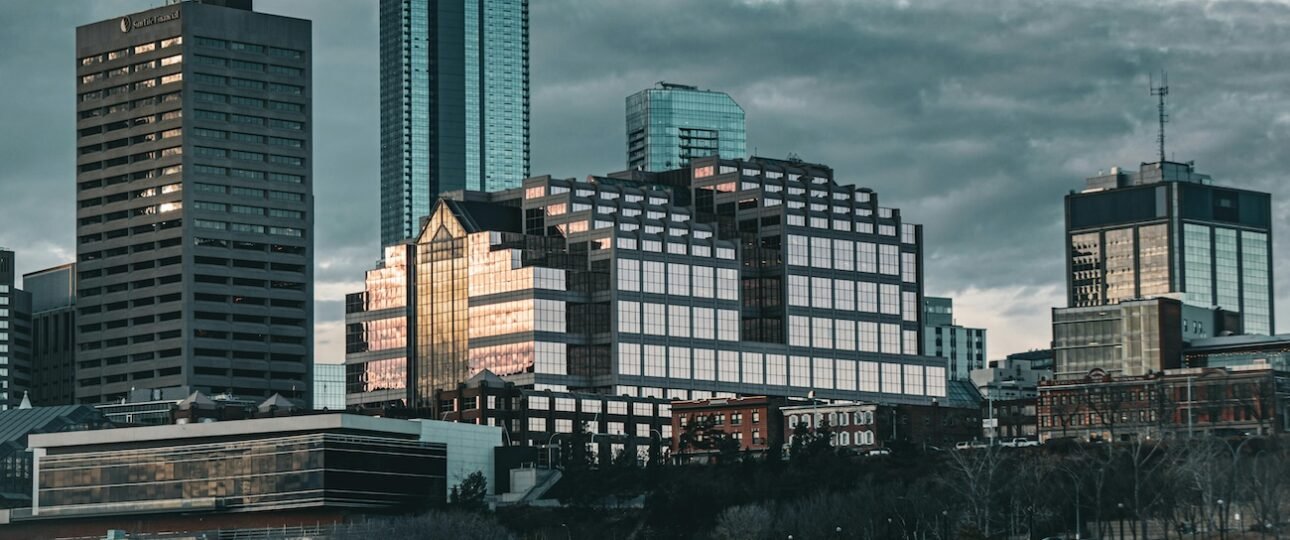
Edmonton’s downtown has had a complicated few decades. The suburban sprawl that characterises much of the city pulled energy away from the centre for a long time, and the effects are still visible in patches. But the opening of Rogers Place arena in 2016 catalysed a genuine renewal, and the area around Ice District has developed into a functioning urban entertainment precinct.
The Art Gallery of Alberta, housed in a striking Randall Stout-designed building on Sir Winston Churchill Square, is the cultural anchor of the core and worth two hours of serious attention. The square itself hosts outdoor events through summer. The downtown river valley access points — particularly at Grierson Hill — connect the core directly to the trail network below, dropping you from the city grid into riverside forest in under five minutes on foot.
West Edmonton Mall Area
No honest guide to Edmonton neighbourhoods can ignore West Edmonton Mall entirely. The mall itself is one of the largest in the world and contains an indoor waterpark, ice rink, amusement park, hotel, and over 800 retailers under one roof — a scale that is genuinely difficult to comprehend until you are inside it. Whether West Edmonton Mall is worth visiting depends heavily on who you are travelling with and what you want from the experience. For families with young children it is close to unmissable. For visitors primarily interested in the city’s cultural and neighbourhood character, a few hours is enough. The surrounding West Edmonton residential area has little to recommend to visitors, but the mall itself is a legitimate piece of Alberta tourism infrastructure that draws millions of visitors annually for good reason.
Riverdale and the River Valley

Edmonton’s river valley is the largest urban parkland system in North America — a 7,400-hectare network of connected green space running along both banks of the North Saskatchewan River for over 48 km through the city. Riverdale, the residential neighbourhood tucked into the river valley on the north bank east of downtown, sits at the heart of this system and provides the best ground-level access to it.
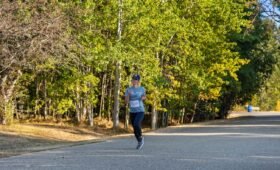
The trails here connect to the Muttart Conservatory — four glass pyramid greenhouses containing plant collections from dramatically different climate zones — and to Louise McKinney Riverfront Park, where the valley walls rise steeply on both sides and the river bends in a way that makes the city above feel very far away. In summer the trail network is excellent for cycling and running. In winter it converts to groomed cross-country ski routes. This is Edmonton at its most quietly beautiful, and most visitors never find it.
Glenora
Glenora is Edmonton’s most graceful neighbourhood — a tree-lined residential area of mature elms and early twentieth century homes on the high bank of the river valley, west of downtown. It is not a neighbourhood you visit for restaurants or shops. It is one you walk through slowly to understand what this city looked like before it sprawled.
Government House, the official residence of the Lieutenant Governor of Alberta, sits in Glenora and its grounds are open to the public. The river valley views from River Road along the high bank are among the finest in the city — looking south across the valley toward the university and Old Strathcona on the far bank. An excellent hour-long walk from the downtown core.
Garneau
Immediately adjacent to Old Strathcona and the University of Alberta campus, Garneau has the particular energy of a neighbourhood shaped by students, academics, and long-term residents who chose proximity to intellectual life over the polish of newer developments. The independent cafés here tend to be better and quieter than their Whyte Avenue counterparts, since they compete for regulars rather than passing foot traffic.
The University of Alberta campus itself is worth crossing into — one of the most attractive university grounds in western Canada, with significant green space and several free cultural institutions. The Rutherford House Provincial Historic Site, the restored Edwardian home of Alberta’s first premier, is a small but thoughtful stop on the campus’s southern edge.
124th Street and the Gallery District

The stretch of 124th Street between Jasper Avenue and 111th Avenue has become Edmonton’s gallery and design district — a concentration of commercial art galleries, design showrooms, independent restaurants, and wine bars that give the area a character entirely distinct from the Whyte Avenue corridor.
Weekend brunch on 124th Street is a genuine local ritual, with several restaurants producing some of the best morning food in the city. The galleries represent a real cross-section of Alberta and western Canadian contemporary art and reward an afternoon of unhurried browsing. The neighbourhood has the settled quality of a place that caters to people with time rather than crowds to process.
Little Italy and Westmount
Edmonton’s Little Italy, centred on 95th Street north of 107th Avenue, retains more authentic Italian community character than comparable neighbourhoods in larger Canadian cities. The legacy delis, bakeries, and family-run trattorias sit alongside newer arrivals drawn by the area’s walkability and relatively affordable rents. The annual Italian Week festival in June fills the streets with food, music, and a genuine neighbourhood celebration.
The adjacent Westmount area, with its early 1900s Craftsman and brick homes, is pleasant to walk through and connects naturally to the 124th Street corridor a few blocks east. Together the two neighbourhoods make a rewarding half-day on foot.
Chinatown and McCauley
Edmonton’s Chinatown, along 97th Street north of downtown, is one of the older and more architecturally distinct ethnic neighbourhoods in western Canada. The Dragon City Mall and formal gateway arches give the neighbourhood its visible identity, but the stronger reason to visit is the food — authentic Cantonese, Vietnamese, and pan-Asian restaurants and grocery stores that have been serving the community for decades rather than performing it for visitors.
The adjacent McCauley neighbourhood contains some of Edmonton’s most significant heritage architecture, including early Ukrainian community buildings that reflect the settlement patterns of the early twentieth century prairies. It is a neighbourhood in gradual transition, with a complex social history that gives it a texture and authenticity that more polished areas of the city lack.
Practical Notes
Edmonton is a large and sprawling city. A car or rideshare is the most practical way to move between neighbourhoods efficiently. The Capital Line LRT connects downtown to the university area and Old Strathcona and covers the most visitor-relevant corridor well. Bike share stations are available through the Bike Edmonton network, and the river valley trail system connects several central neighbourhoods by trail.
Summers in Edmonton are warm and extraordinarily long — the city sits at 53 degrees north, which means midsummer daylight extending past 10 p.m. Winter is serious, with temperatures regularly reaching -20°C or below in January. The city functions fully year-round, but visit in summer for the most accessible neighbourhood experience.
When to Visit
June brings long evenings and the city emerging fully from spring. River valley trails are green and accessible, neighbourhood patios open, and crowds are manageable.
July and August are peak season. The Fringe Festival in August is reason enough to time a visit around it, transforming Old Strathcona for ten days into one of the most energetic cultural environments in western Canada. Book accommodation early for Fringe week.
September is arguably the finest month — summer crowds gone, elm trees turning gold along the river valley, and the city settling into a rhythm that feels more genuinely its own.
Winter is for the committed. The river valley converts to ski and snowshoe trails, the indoor cultural life is at its most active, and the city has a particular quiet beauty under snow that rewards visitors willing to dress for it.
FAQ
What is the best neighbourhood to stay in as a visitor?
Old Strathcona is the strongest choice for most first-time visitors — the most walkable, the highest concentration of independent restaurants and bars, and directly on the LRT line. For a quieter base with river valley access, Glenora and the Garneau area offer a more residential feel within easy reach of the core.
Is Edmonton safe to walk around?
The central neighbourhoods in this guide are generally safe for visitors during the day and evening. Situational awareness matters after dark in transitional areas around parts of downtown and along 97th Street. River valley trails are well-used during daylight hours but less advisable alone after dark.
How do I get between neighbourhoods without a car?
The Capital Line LRT covers the downtown to Old Strathcona corridor efficiently. Beyond that, rideshare services are widely available and reasonably priced. Cycling is an excellent option in summer — the river valley trail network connects several neighbourhoods and the flat city grid is easy to navigate by bike.
Is Edmonton worth visiting if I am primarily going to Banff?
Yes, with a day or two added to your itinerary. Edmonton sits 300 km north of Calgary — about three hours by car — making it a natural addition to a longer Alberta trip. The river valley, Old Strathcona, and the Art Gallery of Alberta alone justify an overnight stay. For further inspiration on building your Alberta trip, this guide to why Edmonton deserves a spot on your Alberta itinerary lays out the case in full.
What is the food scene like?
Stronger than its reputation suggests. Edmonton has a diverse and ambitious restaurant scene across Old Strathcona, 124th Street, and downtown, with particular strength in Indigenous cuisine, Ukrainian heritage food, and contemporary Canadian cooking. The Old Strathcona Farmers Market is one of the finest in Alberta.
Does Edmonton have good day trip options?
Several. Elk Island National Park, about 35 minutes east, is one of the best places in Canada to see plains bison. The Ukrainian Cultural Heritage Village on the Elk Island highway is a worthwhile living history site. And the drive south toward Canmore and Banff — while a full day commitment — is entirely feasible as an extension of an Edmonton visit.