Banff Under Snow
Three world-class ski resorts, frozen canyon walks, and mountain hot springs at –15°C.
Banff in Full Bloom
Turquoise glacial lakes, 200+ hiking trails, and 16 hours of daylight in July.
❄ Lower costs (non-holiday)
☀ Hiking & lakes
☀ Wildlife viewing
↕ Families with kids
↕ Photography
Banff National Park is one of the few destinations in the world that genuinely delivers two completely different experiences depending on when you visit. Summer and winter are not variations of the same trip — they are different trips entirely.
This guide compares both seasons across four dimensions: weather and conditions, activities, costs and crowds, and who each season suits best. By the end, you will know which one is right for you — and why the answer is not the same for every traveller.
- ☀ Choose summer for lakes, hiking, and wildlife.
- ❄ Choose winter for skiing, quiet trails, and lower prices.
- Can’t decide? September is the closest thing to a “best of both” month.
Weather & Conditions
Banff has a semi-arid mountain climate, which means less rain than you might expect but significant temperature swings — especially between night and day. Both seasons are beautiful; neither is consistently comfortable in the way a beach destination might be.
- July and August are peak wildfire months in Alberta. In some years, smoke significantly reduces visibility at major viewpoints, including Moraine Lake and the Icefields Parkway.
- Check Parks Canada and Alberta Wildfire for daily air quality and fire ban updates if you’re visiting in mid-to-late summer.
- If smoke is a concern, September typically offers clearer skies with similar temperatures and far fewer crowds.
Activities by Season
The most important practical difference between summer and winter in Banff is access. Summer opens everything — all lakes, all roads, most trails above treeline, and every gondola and boat tour. Winter closes some iconic sights and replaces them with entirely different ones.
| Activity | Available | Details |
|---|---|---|
| Moraine Lake visit | ☀ Summer | Open June 1 – Oct 13 only. Closed to private vehicles all other times due to avalanche risk on the access road. |
| Hiking (below treeline) | ↕ Both | Year-round access to valley and low-elevation trails. Snow and ice in winter require microspikes or snowshoes. |
| Hiking (above treeline) | ☀ Summer | High-elevation trails typically open July–September. Closed by snowpack October–June. |
| Skiing / snowboarding | ❄ Winter | Three resorts: Banff Sunshine, Lake Louise, and Mt Norquay. Combined 7,748 acres of terrain. Season typically Nov–May. |
| Johnston Canyon ice walk | ❄ Winter | One of the park’s most unique winter experiences — frozen waterfalls and canyon walls of ice. Guided evening tours available. |
| Canoeing on Lake Louise | ☀ Summer | Lake Louise canoe rentals run June to early October. The classic turquoise water backdrop is a summer-only experience. |
| Banff Gondola | ↕ Both | Open year-round. Particularly dramatic in winter with snow-covered peaks. Summit boardwalk can be icy — wear appropriate footwear. |
| Banff Upper Hot Springs | ↕ Both | Open year-round. Most memorable in winter — soaking in 38°C water while snowflakes fall around you is genuinely special. |
| Wildlife viewing | ☀ Summer | Bears, elk, moose, and bighorn sheep are most active June–September. Shoulder seasons (May, Sept) are especially productive along the Icefields Parkway. |
| Northern lights | ❄ Winter | Dark skies and long winter nights make Dec–Feb the best window for aurora viewing. Clear nights required — not guaranteed. |
| Snow tubing | ❄ Winter | Available at Mt Norquay and Lake Louise. A popular family-friendly option for non-skiers. |
| Icefields Parkway drive | ↕ Both | Open year-round but requires winter tyres and caution Dec–Apr. Dramatically different scenery in each season. |
- The canyon boardwalk trail that is a pleasant summer hike transforms in winter into a world of frozen waterfalls and sculpted ice formations on the canyon walls.
- Guided evening tours run December through March and include hot cocoa and a campfire at the end. One of the most popular winter experiences in the park.
- Microspikes or ice cleats are required and can be rented at the trailhead. The hike is approximately 5 km return to the upper falls.
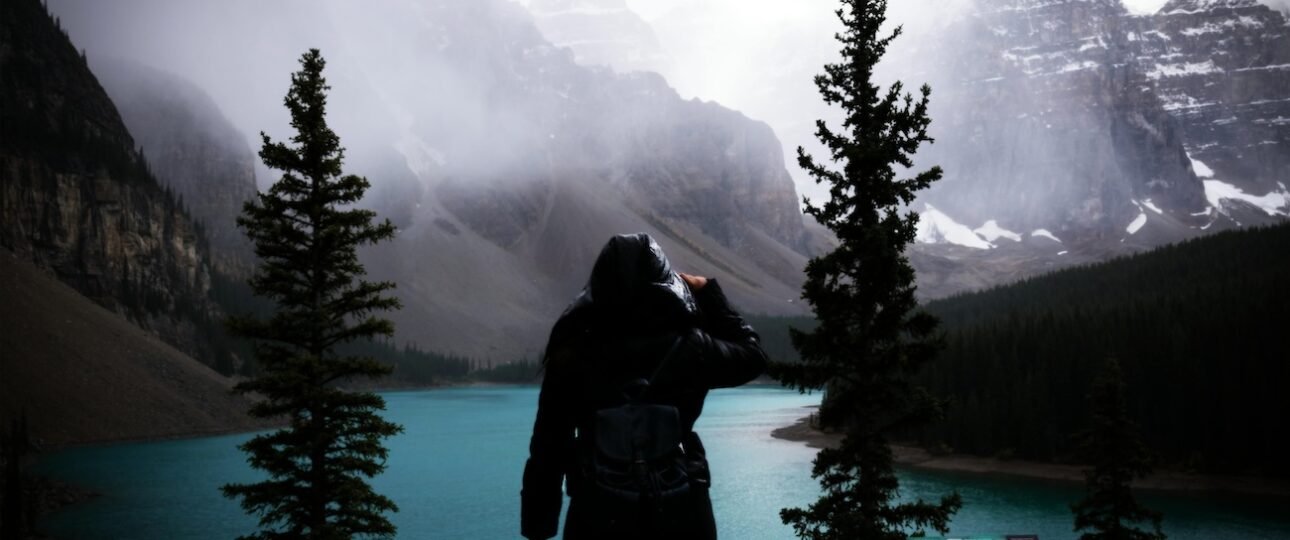
- The 10-minute scramble to the rockpile viewpoint above Moraine Lake is the single most photographed view in Canada. It is only possible between June 1 and October 13.
- Arrive before 7 AM in July–August or use the Parks Canada shuttle — parking fills completely on peak days with no overflow option.
- The lake’s extraordinary turquoise colour is produced by glacial rock flour suspended in the meltwater. Peak colour occurs mid-July to mid-August.
Costs & Crowd Levels
Banff is one of Canada’s most expensive destinations year-round, and the gap between summer and winter has widened significantly in recent years. During peak summer, average hotel rates in the Banff and Lake Louise region have reached $525 per night, with the average daily rate sitting around $345 in spring 2025 — up over 20% year-on-year. Winter is cheaper, but not dramatically so outside of the quiet mid-winter window.
Where Winter Saves Money
Mid-January through mid-March — avoiding holiday weeks — offers excellent skiing conditions, northern lights viewing potential, and hotel rates of $150–280 per night versus $400-plus in summer. That is a meaningful saving, particularly for a multi-night stay. Car rental rates follow a similar pattern, and flights into Calgary YYC are generally cheaper outside the July–August peak.
Where Winter Costs More
Ski passes and equipment rental add significant daily cost that summer visitors don’t pay. A lift ticket at Banff Sunshine or Lake Louise runs $90–130 CAD per day, and if you’re renting gear as well, a skiing day for two people can easily add $300–350 on top of accommodation. Outside of the holiday season, rates are fairly affordable in winter compared to the exorbitant hotel rates in mid-August — but a fully-loaded ski trip is rarely a budget experience anywhere in the world.
Crowd Levels
| Period | Crowd Level | What to Expect |
|---|---|---|
| July – August | Very High | Moraine Lake parking full by 7 AM. Shuttle queues at peak viewpoints. Restaurants need advance booking. Hotel rates peak. |
| Late June / September | Moderate–High | Busy but manageable. September in particular offers near-summer access with noticeably quieter trails and lower rates. |
| Christmas / New Year | Moderate–High | Holiday premium on all accommodation. Popular with families and ski travellers. Book months in advance. |
| Jan – Mar (non-holiday) | Low–Moderate | Quietest period in the park. Ski resorts have their own visitor levels but the town itself is calm. Best value window. |
| April / November | Very Low | Shoulder season. Cheapest time to visit. Some attractions closed but town and low-elevation trails accessible. |
- The two cheapest times to visit Banff fall in the transitions between seasons: late April to early June, and mid-October to November — after winter attractions close and before summer ones open, or vice versa.
- These windows offer the lowest accommodation rates and minimal crowds. The trade-off is limited access: Moraine Lake Road is closed, some trails are snow-covered, and ski resorts may have finished for the season.
- For travellers focused on the town of Banff, the gondola, and lower-elevation hikes, late May and early October offer excellent value with still-beautiful scenery.
Who Each Season Suits Best
The right season depends on what you want from the trip. The following breakdown is designed to help you make that call quickly and honestly.
-
✓A skier or snowboarder — three world-class resorts within the park make this one of the best ski destinations in North America.
-
✓Travelling on a tighter budget — mid-January to mid-March outside holiday weeks is the most affordable window in the Banff calendar.
-
✓Seeking fewer crowds — the town and trails are genuinely quiet outside ski resort areas. You can have popular viewpoints almost to yourself.
-
✓After unique experiences — Johnston Canyon ice walk, the hot springs in snowfall, and northern lights viewing are winter-only highlights with no summer equivalent.
-
✓Comfortable driving in winter conditions — or willing to use the ROAM bus and shuttle system to avoid it.
-
✓Happy with fewer daylight hours — 8–9 hours of light in December limits outdoor time, but the quality of the light on snow-covered peaks is extraordinary.
-
✓Visiting for the first time — summer gives you full access to every iconic sight, including Moraine Lake, all high-elevation trails, and every lake and gondola.
-
✓Travelling with young children — long days, warm weather, easier trails, and more activity options make summer more manageable with kids.
-
✓A keen hiker — 200-plus trails are accessible, including high-alpine routes above treeline that are impossible in winter without specialist equipment.
-
✓Focused on wildlife — bears, elk, moose, and bighorn sheep are most visible June–September, particularly along the Icefields Parkway in late summer.
-
✓A photographer — the turquoise lakes, wildflowers, and long golden-hour light (until 9–10 PM in July) give summer an unmatched photographic range.
-
✓Comfortable with crowds and willing to plan ahead — summer rewards early bookings and early mornings. Those prepared to plan enjoy it fully; those who show up last-minute often don’t.
- September is consistently cited by locals and repeat visitors as the best single month in Banff. Daytime temperatures remain comfortable (12–18°C), most summer trails and attractions are still open, and crowds drop significantly after the school summer holidays end.
- September offers golden larch displays, pleasant temperatures, and minimal crowds with hotel rates dropping from $400 summer peaks to $200–280. It is the closest thing Banff has to a universally recommended window.
- The larches on the trails around Larch Valley (above Moraine Lake) turn gold between mid-September and early October — one of the most striking seasonal events in the Canadian Rockies.
The verdict: there is no wrong answer — only the wrong season for your specific trip.
- → Skiing or winter sports are on the agenda
- → You want to avoid summer crowds and prices
- → You want the hot springs in snowfall experience
- → You’re after the Johnston Canyon ice walk
- → Mid-January to mid-March is your travel window
- → This is your first trip and you want full access
- → Moraine Lake is on your must-see list
- → Hiking is the primary reason for the trip
- → You’re travelling with young children
- → Wildlife viewing is a priority