
If you’ve spent any time online looking at Alberta, you’ve probably run into the same cartoon version of the place. Cowboys. Oil rigs. Pickup trucks. Red necks. Freezing cold all year. No culture. Everyone wants to leave Canada. Newcomers show up and ruin it—or save it, depending on who you’re talking to.
Some of that is based on real history. A lot of it is leftover marketing, old movies, and people who visited Calgary once during Stampede and decided they understood the whole province. The reality is more ordinary, more urban, more mixed, and more practical than the stereotype.
Here’s a clear look at the myths that still float around, what’s actually true, and what matters if you’re thinking about living here.
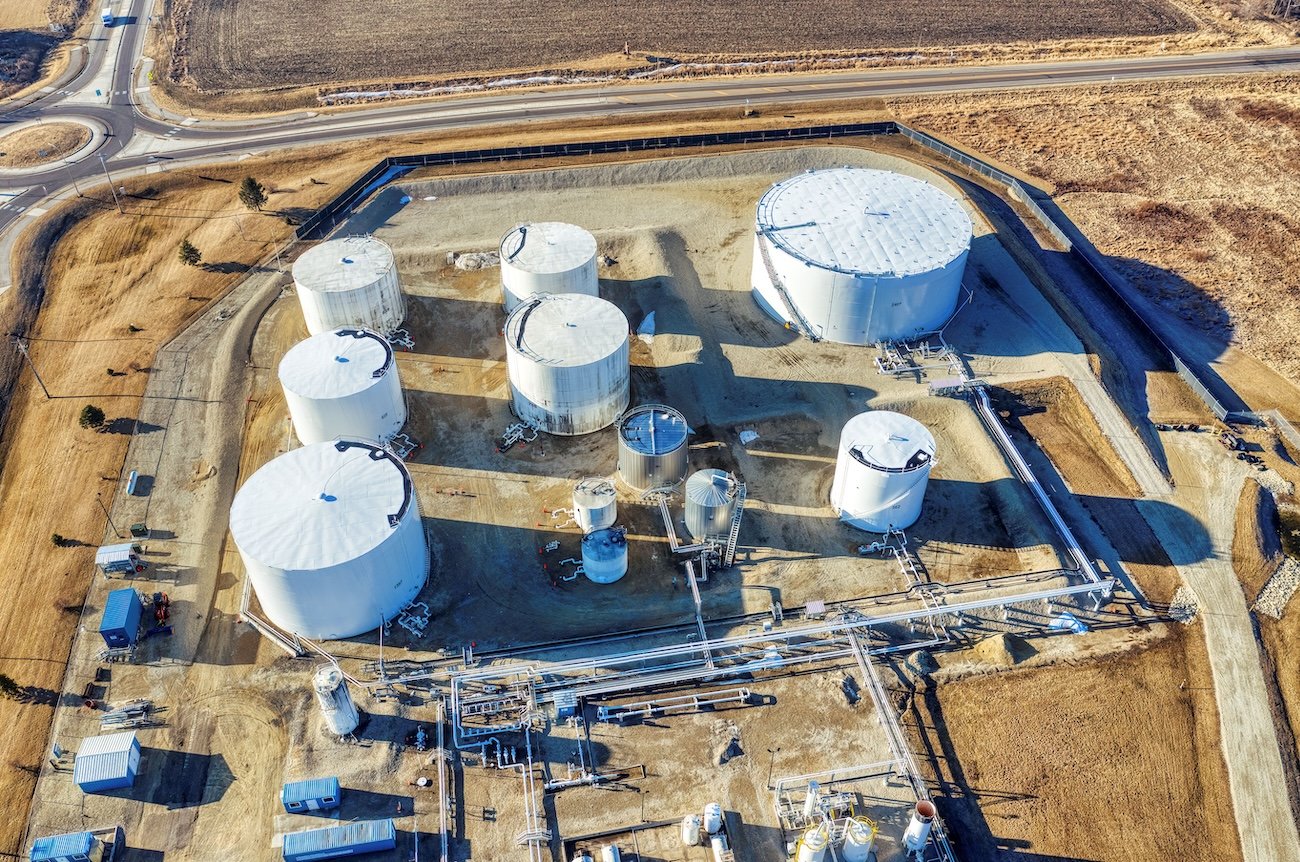
Myth 1: Alberta is all oil and gas
Energy is a big part of the economy and the identity. Nobody serious pretends otherwise. But the idea that everyone works on a rig or in the patch is outdated.
Health care, education, public administration, retail, construction, and professional services employ more people than oil and gas extraction and support. Tech has grown in both Calgary and Edmonton. Agriculture is still huge, especially cattle. The energy sector matters a lot for government revenue and high-paying jobs, but most people you meet in a grocery store or at a kids’ soccer game don’t work in it.
The stereotype sticks because the money is visible and the politics around it are loud. Day-to-day life in the cities looks a lot more like other Canadian cities than the old image suggests.
Myth 2: Everyone is a rural conservative cowboy
Roughly 80 percent of Albertans live in cities or urban areas. Calgary and Edmonton are large, growing metros. Most people live in suburbs, condos, or regular houses, not on ranches.
Politically it’s more mixed than the national caricature. Rural areas and smaller centres lean conservative. Edmonton has a long history of supporting the NDP. Calgary is competitive and has shifted over time. Provincial governments have been mostly conservative for decades, but that doesn’t mean every neighbourhood or every voter is.
The cowboy image is real in parts of the province and during Stampede season in the south. It is not how most people live Monday to Friday.

Myth 3: It’s always freezing
Winters are cold. That’s not a myth. Northern Alberta gets proper deep freezes. Wind chill can make it feel worse. You need good winter gear if you’re coming from milder places.
It’s not cold all year, and the cold is usually dry, which many people find easier to handle than damp cold. Southern Alberta gets Chinooks that can raise temperatures dramatically in a day. Summers are warm to hot, with long daylight hours. Calgary often ranks near the top for sunny days in Canada.
Spring and fall are short. You will have weeks where you need a parka. You will also have months where you don’t. The “always -40” picture is exaggerated.
Myth 4: No diversity / newcomers don’t belong
Alberta is more diverse than the old stereotype suggests. Immigrants make up roughly a quarter of the population, higher in Calgary and Edmonton. South Asian, Filipino, Chinese, and other communities are well established. You see it in food, neighbourhoods, schools, and workplaces.
Research and polling have repeatedly shown that, on many values, people who move here end up looking a lot like people who grew up here after a few years. The idea that newcomers arrive and immediately flip the province is not what the data shows.
There are real debates about the pace of growth and pressure on housing, schools, and health care. Those are practical issues. They are not the same as the cartoon of a mono-cultural place that rejects outsiders. If you’re planning a move, the moving to Alberta newcomer guide covers the practical steps.
Myth 5: Everyone wants to separate
Separatism gets attention because it’s dramatic and because some politicians lean into it. Support has generally sat in the low teens to low twenties in most polling—loud, but not a majority.
Most Albertans are Canadian. A lot of them also have a strong provincial identity and frustration with Ottawa. Those two things can exist at the same time. The “anti-Canadian” label is mostly a national media shorthand that doesn’t match how most people here actually live or vote. For a closer look at the arguments and numbers, see Alberta separatism reasons.
Myth 6: The Alberta Advantage means everything is cheap and easy
There is no provincial sales tax. There are no health-care premiums. Those are real advantages compared with many other provinces. Housing is still more affordable than Vancouver or Toronto for most people, and wages in many fields are competitive.
That does not mean it’s cheap. Calgary and Edmonton house prices have risen. Winter utility bills can be high. Auto insurance is expensive. Rapid population growth has put pressure on schools, health care, and roads. The old “Alberta is Calling” pitch left out some of the friction that comes with growth. Current numbers are in our Is Calgary still affordable in 2026 piece.
If you’re moving, run the numbers for the specific city and neighbourhood you want. Compare against where you are now. The advantage is real in some categories and narrower in others.
Myth 7: No culture outside the Stampede
Stampede is a big deal in southern Alberta. It is not the only thing that happens. Both major cities have solid food scenes, festivals, theatre, music, and outdoor access. Edmonton’s river valley is one of the largest urban park systems in North America. The mountains are a few hours from Calgary. Smaller centres have their own character—think Ukrainian heritage towns, outdoor recreation, or quiet prairie communities.
It is not Toronto or Vancouver. Some people find that a relief. Others find the smaller scene limiting. Both reactions are fair. For places that don’t make the usual tourist lists, check 10 hidden gems in Alberta most tourists miss.
Myth 8: Everyone drives a giant pickup
Pickup ownership is high. A lot of that is practical—work, weather, rural distances, towing. In the cities you still see plenty of regular cars, SUVs, and smaller vehicles. Public transit exists in Calgary and Edmonton and is usable for many people, though a car is more convenient for most households outside the core.
Myth 9: Politics are uniformly right-wing
The current provincial government is United Conservative. That is not the same as every Albertan thinking the same way. Cities vote differently from rural areas. Municipal politics often focus on roads, housing, and services more than national culture-war topics. People disagree, sometimes loudly. That is normal.
A few things that are actually true
Alberta is rat-free – one of the largest inhabited rat-free areas in the world. Chinooks can swing temperatures dramatically in the south. The province has a large share of Canada’s cattle. Winters require real preparation if you’re not used to them. Growth has been fast, and services have not always kept up. These are practical realities, not myths.
What actually matters if you’re moving
- Winter gear and a realistic heating budget.
- Housing costs in the specific neighbourhood you want, not the provincial average.
- Job market in your field (energy is strong in some roles; health, trades, and tech are broader).
- Car vs transit depending on where you live.
- Registering for Alberta Health Care after you arrive.
- No PST is real. So is GST. Factor both.
FAQs
Is Alberta good for newcomers?
Many people do well here. Jobs, lower sales tax, and relatively more affordable housing than the biggest coastal cities help. The main adjustments are winter, a car-oriented lifestyle in most areas, and the pace of growth putting pressure on some services.
Do I need a car in Alberta?
In Calgary or Edmonton cores you can manage without one for a while. Most suburbs and smaller centres are much easier with a vehicle. Winter driving is a skill worth learning.
Is the cost of living lower than Ontario or BC?
Usually yes on housing and sales tax, but it depends on the city and your household. Compare actual rents or house prices and utility costs for the places you’re looking at.
The short version
Alberta is colder in winter than a lot of Canada, more urban than people think, more diverse than the old image, and more ordinary than the political arguments make it sound. Energy still matters. So do health care jobs, schools, suburbs, and regular Tuesday nights. The myths are louder than the daily reality.
If you’re weighing a move, focus on the practical pieces – housing in the neighbourhood you want, winter, job options, and whether the lifestyle fits – rather than the cartoon version.
Related reads on Alberta Insider: cost of living comparisons, neighbourhood guides, winter outdoor options, and practical local resources across the province.



[…] If you’re weighing a move from Ontario, British Columbia, or overseas, the stereotype is usually more extreme than the average winter. Cold snaps of –30°C and below do happen. They just don’t define every day. For a wider look at other common misconceptions people hold about the province, see our guide to myths about living in Alberta. […]