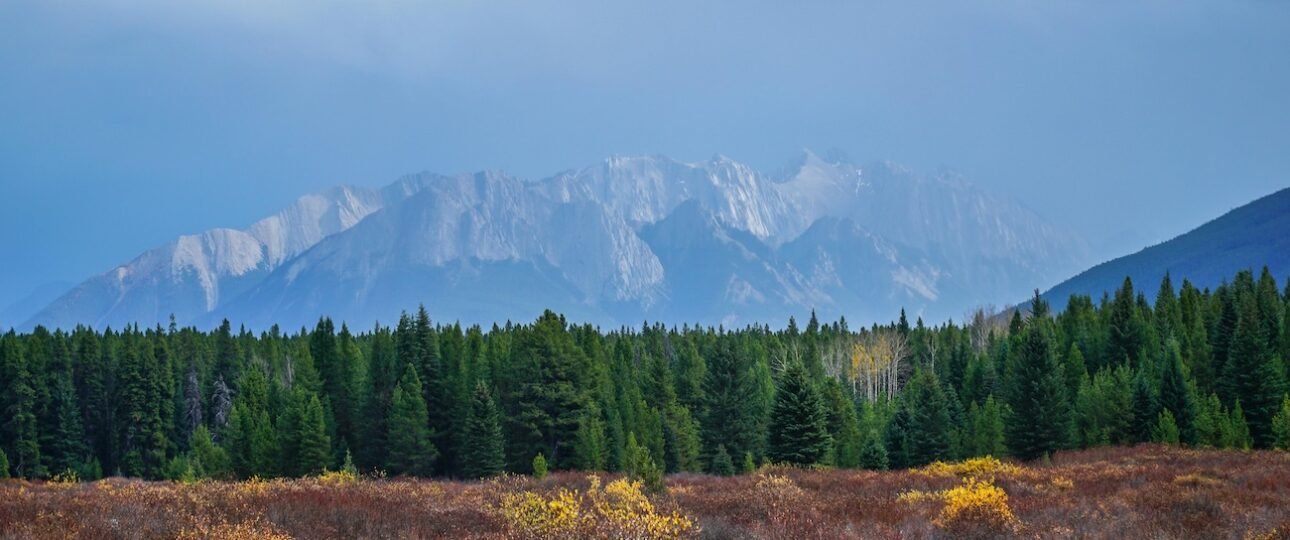
Alberta continues to attract thousands of newcomers in 2026. With no provincial sales tax, relatively affordable housing compared to Ontario and BC, strong job growth, and world-class nature right on the doorstep, it’s easy to see why the province is booming. Alberta’s population recently hit 5 million and keeps growing fast thanks to interprovincial migration.
Whether you’re moving from Ontario, British Columbia, or anywhere else, this guide delivers the most current 2026 insights — real numbers, local tips, and a practical checklist that actually helps.
Why People Are Moving to Alberta Right Now (2026 Update)
- Housing affordability — Median detached homes in Edmonton and Red Deer still sit well below national averages.
- No PST — You keep more of your money on everyday purchases.
- Job market — Healthcare, skilled trades, energy, logistics, and tech are hiring.
- Lifestyle — Mountains, festivals, river valleys, and space for families.
Recent data shows Alberta’s average home price sits around $533,000 province-wide, with Edmonton and Red Deer offering even better value
Cost of Living in Alberta 2026 – Real Monthly Budgets

A single person typically needs $2,300–$2,900/month including rent. A family of four lands around $4,800–$6,500 depending on the city.
Calgary
- 1-bedroom rent (non-downtown): $1,400–$1,800
- 2-bedroom: $1,900–$2,400
- Groceries (family of 4): $550–$750
- Utilities: $180–$350 (spikes in winter)
- Average home price: ~$642,000
Edmonton
- 1-bedroom: $1,100–$1,500
- 2-bedroom: $1,550–$1,900
- Groceries: $500–$680
- Average home price: ~$471,000
Red Deer (fast-growing sweet spot)
- Average apartment rent: $1,395
- 1-bedroom: ~$1,280
- 2-bedroom: ~$1,451
- Median detached home: ~$450,000
- Overall 10–25% cheaper than Calgary.
Pro Tip: Use Alberta’s official Cost Comparison Tool for personalized electricity and natural gas estimates in your exact neighbourhood.
Best Places to Live in Alberta for Newcomers 2026

Calgary — Dynamic job market, quick access to Banff (just 1 hour away), vibrant food and arts scene. Ideal for career-focused professionals and families who love mountains.
Edmonton — More affordable, massive river valley trails, huge festival calendar, and a relaxed family vibe.
Red Deer & Central Alberta — Excellent middle ground with lower costs, shorter commutes, and strong trades/healthcare jobs.
Smaller towns — Canmore (mountain living), Lethbridge, Sylvan Lake, or Airdrie for quieter lifestyles.
If you’re visiting first and considering a move, start with our First-Timer’s Guide to Calgary or Why Edmonton Deserves a Spot on Your Alberta Itinerary.
Internal link opportunity: Expand later into dedicated cluster pages (linked from this pillar).
Step-by-Step Moving to Alberta Checklist 2026

- Research & Budget — Use the numbers above and plan 2–3 months of expenses ($6k–$12k buffer).
- Secure Housing — Search Kijiji, Realtor.ca, or Facebook groups early.
- Job Hunt — Top in-demand roles include registered nurses (~$99k+), electricians, millwrights, IT specialists, and healthcare support.
- Healthcare — Apply for Alberta Health Care Insurance Plan (AHCIP) within 3 months (coverage starts the 1st of the 3rd month).
- Driver’s Licence & Vehicle — Exchange within 90 days.
- SIN & Banking — Get your Social Insurance Number right away.
- Schools & Winter Prep — Research schools early and stock up on quality winter gear and tires.
- Utilities & Internet — Set up power, gas, and high-speed internet before arrival.
Jobs & Salaries Snapshot 2026
Alberta’s labour market stays strong. Key growth areas: healthcare (aging population), skilled trades, technology, and transportation. Many roles pay $45–$60+/hour.
- Registered nurses: strong demand across the province.
- Skilled trades (electricians, plumbers): high hourly rates.
- Tech & government roles concentrated in Calgary and Edmonton.
Practical Newcomer Tips from Locals
Before you settle, many newcomers explore the province first. Our Calgary to Banff Road Trip – The Complete Guide is perfect for understanding the lifestyle you’re moving into.
Don’t forget wildlife safety — Alberta’s trails are incredible, but preparation matters. Read our Wildlife Safety Tips for Hiking in Alberta before any mountain adventures.
If you have kids, check Alberta with Kids – The Complete Family Travel Guide for real family insights.
What Nobody Tells You Before Moving
- Winters are cold but dry — chinooks in Calgary can melt snow overnight.
- Real estate moves fast in desirable neighbourhoods.
- Community is everything — Albertans are genuinely friendly.
Pros & Cons of Moving to Alberta in 2026
Pros: Affordability, no PST, nature access, job opportunities, space.
Cons: Cold winters, variable energy costs, oil/gas sector sensitivity (though diversifying).
FAQ – Moving to Alberta 2026
Is Alberta still affordable in 2026?
Yes, especially compared to Toronto or Vancouver. Edmonton and Red Deer remain relative bargains.
Calgary or Edmonton for families?
Edmonton edges out on pure affordability and green space, Calgary wins on mountain access and corporate jobs.
How much money should I bring?
Plan for 2–3 months of expenses ($6,000–$10,000 for a single person, $12,000+ for a family) while settling in.
Best time to move?
Late spring or summer (May–August) so you can settle before winter.