ALBERTA TRAVEL GUIDE · ROAD TRIP · CALGARY · BANFF
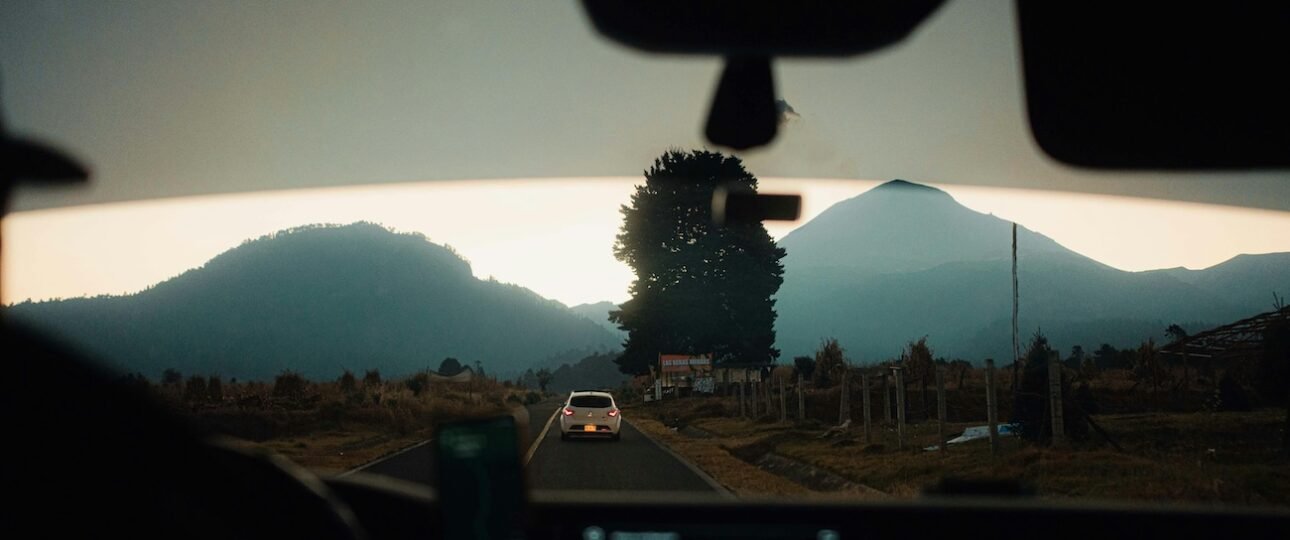
The drive from Calgary to Banff is one of the most rewarding road trips in North America — and one of the most accessible. The distance is only 128 km, the highway is excellent, and the transition from prairie flatland to full Rocky Mountain grandeur happens with a dramatic abruptness that never gets old regardless of how many times you have made the journey. Most people treat it as a transfer rather than an experience, covering the distance in 90 minutes without stopping. That is a mistake. Done properly — with the right stops, a flexible schedule, and a willingness to leave the Trans-Canada Highway for the older, slower roads that run alongside it — this drive rewards every extra hour you give it.
The Route Options
There are two ways to drive from Calgary to Banff, and the choice between them shapes the entire character of the trip. But before you leave, check out if you have done all the best things in Calgary!
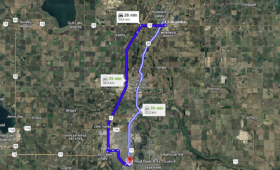
The Trans-Canada Highway (Highway 1) is the fast route — four lanes, well-maintained, and direct. It passes through Canmore before entering the national park and delivers you to Banff townsite in approximately 90 minutes from central Calgary under normal conditions. It is the right choice when you are arriving late, leaving early, or driving in winter conditions.
Highway 1A — the Bow Valley Trail is the slower, older road that runs roughly parallel to the Trans-Canada through the Bow Valley. It passes through the communities of Cochrane, Morley, and Exshaw before rejoining the main highway near Canmore. It adds time but delivers a more intimate and historically layered experience of the valley. Combined with the Bow Valley Parkway inside the park, it forms the backbone of a properly rewarding road trip.
The recommended approach for a leisure trip is to take the Trans-Canada west and return via Highway 1A, or to mix segments of both depending on your stops.
Calgary to Cochrane — The First Stop

Distance from Calgary: 45 km west Drive time: 35 minutes
Cochrane is a small foothills town that most Calgary-to-Banff travellers bypass entirely. That is worth reconsidering. The town sits above the Bow River on a bench of land with open views west toward the first ranks of the Rockies — on a clear morning the mountain panorama from Cochrane Ranche Historic Site, the hilltop park at the western edge of town, is a proper introduction to what lies ahead.
Cochrane Ranche is also the site of the first large-scale ranching operation in the Canadian west, and the interpretive panels on the hillside give quick but meaningful context to the agricultural history of southern Alberta. MacKay’s Ice Cream on the main street has been operating since 1948 and has a claim to being the most visited ice cream shop in Alberta. Stop here regardless of the season — it is open year-round and the lineups are worth it.
Morley and the Stoney Nakoda Nation
Distance from Calgary: 65 km west
As you continue west on Highway 1A or the Trans-Canada, you pass through the Stoney Nakoda First Nation reserve at Morley. The Stoney Nakoda people have lived in the Bow Valley and surrounding mountains for thousands of years — long before the national park was established — and this land remains deeply connected to their cultural identity. The Stoney Nakoda Resort and Casino sits at the Morley interchange and offers accommodation if you want to break the journey here.
This is a moment in the drive to slow down and acknowledge the history of the landscape you are passing through. The mountains visible to the west were not wilderness waiting to be discovered — they were home.
Exshaw and the Bow Valley Corridor

Distance from Calgary: 90 km west
The small community of Exshaw sits at the mouth of the Bow Valley where the mountains close in dramatically on both sides and the river begins to feel genuinely enclosed by peaks. The cement plant on the valley floor is the most visible industrial presence in the corridor, but the landscape around it is extraordinary — the vertical limestone walls of Mount McGillivray and Ha Ling Peak rise directly from the valley floor and give the first real sense of the mountain scale you are entering.
The Yamnuska hiking area, accessed just east of Exshaw, offers some of the best climbing and ridge walking in the front ranges and is worth knowing about for a dedicated day trip from Canmore or Banff. The views back east toward the prairies from the Yamnuska ridge are remarkable — the transition from flat to vertical is visible in a single sweep.
Canmore — The Essential Stop
Distance from Calgary: 100 km west Drive time: 1 hour
Canmore deserves more than a fuel stop. The town sits at the confluence of the Bow, Spray, and Rundle valleys, surrounded by some of the most dramatic mountain terrain in the Rockies, and it has developed a genuinely excellent food and hospitality scene over the past decade. If you are doing this drive properly, Canmore is where you stop for at least two hours — ideally longer.
Where to eat in Canmore: Communitea Café on 8th Street is an excellent breakfast and lunch stop with a relaxed atmosphere and genuinely good food. The Grizzly Paw Brewing Company on Main Street produces solid craft beer and reliable pub food in a lively room. Crazyweed Kitchen is the best dinner option in the Bow Valley and worth booking ahead if you are passing through in the evening.
What to do in Canmore: The Grassi Lakes trail is a 5 km return hike to two turquoise alpine lakes with views across the Bow Valley and is one of the best short hikes accessible directly from the townsite. The Nordic Centre trail network, built for the 1988 Winter Olympics, offers excellent walking and mountain biking through the forest above town. And the downtown core on 8th Street and Main Street rewards a slow walk — independent shops, galleries, and a farmers market on Saturdays through summer.
Ha Ling Peak is the more demanding option — a 6 km return climb with 700 m of elevation gain to a summit with panoramic views in every direction. Allow three to four hours and start early to avoid afternoon heat and crowds.
Entering Banff National Park
Distance from Calgary: 110 km west
The national park boundary sits approximately 10 km west of Canmore on the Trans-Canada Highway. A Parks Canada booth at the east gate collects the entry fee — a daily pass costs approximately CAD $11 per adult, or you can purchase an annual Discovery Pass for CAD $75 per adult that covers all Parks Canada sites across Canada and pays for itself quickly if you are spending more than a week in the mountain parks. The pass can also be purchased in advance at pc.gc.ca to avoid queues at the gate.
From the park boundary to Banff townsite is approximately 15 minutes on the Trans-Canada. But the better choice — if you have not already joined it from Canmore — is to turn onto the Bow Valley Parkway at the Castle Mountain interchange and take the scenic route.
The Bow Valley Parkway — The Heart of the Drive
Highway 1A inside the park — 51 km from park boundary to Lake Louise
The Bow Valley Parkway is the finest stretch of road in this entire journey and the section most worth lingering on. The two-lane historic highway runs parallel to the Trans-Canada through a landscape of meadows, wetlands, forest, and river flats that is among the most productive wildlife habitat in the park. Elk, deer, coyote, beaver, and bear are all regularly seen from the road. The pace is slower, the trucks are absent, and the mountain views are constant.
Key stops along the Bow Valley Parkway include:

Johnston Canyon at 26 km — the most visited natural attraction in Banff and deservedly so. A trail system leads along a canyon wall via iron catwalks to the Lower Falls (1.1 km) and Upper Falls (2.7 km). The Ink Pots — seven cold mineral springs in a meadow above the falls — are a further 3 km beyond and significantly less crowded. Arrive before 8 a.m. or after 5 p.m. to avoid the midday crowds.
Castle Mountain at 40 km — a massive castellated limestone peak that rises above the valley and dominates the skyline for 20 km in each direction. The Castle Mountain viewpoint pullout is worth a short stop. The Castle Mountain Wilderness Hostel nearby is one of the best-value accommodation options in the park.
Storm Mountain Viewpoint near the Castle Mountain junction offers one of the most photographed peak reflections in the Bow Valley on a calm morning.
Banff Townsite
Distance from Calgary: 128 km Drive time from Calgary: 90 minutes direct, 3 to 5 hours with stops
Banff townsite is the destination and it delivers on the expectation. The compact pedestrian core on Banff Avenue sits beneath Cascade Mountain with the Fairmont Banff Springs visible on its wooded promontory to the south. The hot springs, the gondola, the museums, the restaurants, and the trailheads are all within a short radius. Read more about Banff nightlife.
For first-time visitors, the priorities are the Banff Gondola for the elevated overview, a walk along the Bow River to the Bow Falls viewpoint, a visit to Cave and Basin National Historic Site — the hot spring discovery that led directly to the creation of the national park — and an evening on Banff Avenue for dinner. The Upper Hot Springs on Sulphur Mountain are a legitimate end to a long driving day — soaking in 40°C water with mountain views in every direction is one of the better ways to finish a road trip.
Extending the Drive — Lake Louise and Beyond
If your schedule allows, the road does not have to end at Banff. Lake Louise is 57 km further northwest on the Trans-Canada or Bow Valley Parkway — approximately 45 minutes from Banff townsite — and represents one of the most famous lake views in the world. From Lake Louise the Icefields Parkway continues north toward Jasper through 230 km of increasingly spectacular mountain scenery. Even driving the first 40 km of the Icefields Parkway to Bow Summit and the Peyto Lake viewpoint — widely considered one of the finest panoramas in the Canadian Rockies — makes a powerful addition to the Calgary-Banff journey.
Practical Notes
Parks Canada Discovery Pass is required per vehicle inside Banff National Park. Purchase in advance at pc.gc.ca or at the park gate. An annual pass covers all Parks Canada sites across Canada.
Fuel — fill up in Canmore rather than inside the park. Fuel prices inside the national park boundary are consistently higher than in Canmore or Calgary.
Speed limits — the Trans-Canada through the park has a reduced speed limit of 90 km/h, dropping to 70 km/h in wildlife zones. The Bow Valley Parkway is 60 km/h. These limits are enforced and exist specifically to reduce wildlife-vehicle collisions.
Wildlife on the road — elk, deer, bear, and occasionally wolves cross the Trans-Canada and Bow Valley Parkway throughout the day and especially at dawn and dusk. Drive with particular care in low-light conditions and never stop in the middle of the road for a wildlife sighting — use designated pullouts.
Cell coverage — reliable in Calgary and Canmore, variable inside the national park. Download offline maps before leaving the city.
Winter driving — the Trans-Canada through the Bow Valley is kept open year-round and is generally well-maintained, but winter tires are mandatory in Alberta from October 1 to April 30 on mountain highways. Check road conditions at 511.alberta.ca before departing in shoulder season.
Suggested Itineraries
Half-day express (4 hours): Calgary → Canmore coffee stop → Bow Valley Parkway → Johnston Canyon → Banff townsite arrival.
Full day (8 hours): Calgary → Cochrane ice cream stop → Canmore lunch and Grassi Lakes hike → Bow Valley Parkway → Johnston Canyon → Banff townsite → Upper Hot Springs → dinner on Banff Avenue.
Two days: Day one as above. Day two: Banff gondola → Moraine Lake → Lake Louise → first 40 km of Icefields Parkway to Peyto Lake → return to Banff.
Three days: As above plus Ha Ling Peak from Canmore, the Vermilion Lakes wildlife drive at dawn, Cave and Basin Historic Site, and a proper evening at the Fairmont Banff Springs.
FAQ
How long does the drive from Calgary to Banff take?
The direct drive on the Trans-Canada Highway takes approximately 90 minutes under normal traffic conditions. With stops at Cochrane, Canmore, and Johnston Canyon, allow four to five hours minimum for a leisurely journey. A full day gives you enough time to do the drive properly without feeling rushed.
Do I need a Parks Canada pass to drive to Banff?
Yes — a valid Parks Canada pass is required per vehicle at the Banff National Park east gate. A daily pass costs approximately CAD $11 per adult. An annual Discovery Pass covers all Parks Canada sites across Canada and is better value for any visit longer than three days. Purchase in advance at pc.gc.ca to avoid queues at the gate.
Is the Bow Valley Parkway worth taking instead of the Trans-Canada?
Absolutely — the Bow Valley Parkway is significantly more scenic, slower-paced, and productive for wildlife watching than the Trans-Canada. The only reasons to take the Trans-Canada are time pressure or adverse winter conditions. For any leisure trip, the Bow Valley Parkway is the better road.
What is the best stop between Calgary and Banff?
Canmore is the most rewarding stop on the corridor — it has excellent food, independent coffee shops, and direct trailhead access to some of the finest hiking in the front ranges. Johnston Canyon inside the park is the best natural stop. If you only have time for one, Canmore for a meal and Grassi Lakes for a short hike is the combination that delivers the most.
Can I do Calgary to Banff as a day trip?
Yes, easily — the distance and drive time make it straightforward as a day trip from Calgary. However, Banff and its surroundings genuinely reward at least two nights. A day trip allows you to see the townsite and perhaps one major attraction, but it does not give you the early-morning wildlife drives, the full Icefields Parkway, or the unhurried exploration that makes the area exceptional.
What is the speed limit on the Trans-Canada through Banff?
90 km/h on the open highway, dropping to 70 km/h in designated wildlife zones and 50 km/h approaching the townsite. The Bow Valley Parkway inside the park is 60 km/h throughout. Speed limits are enforced and wildlife collision reduction is the primary reason for reduced limits inside the park.
Is there public transport from Calgary to Banff?
Yes — Pursuit (formerly Brewster) operates a scheduled coach service between Calgary International Airport and Banff townsite, with stops at Canmore. The journey takes approximately two hours. Roam Transit operates local bus services within the park between Banff and Lake Louise. However, a rental car is strongly recommended for anyone wanting to explore beyond the townsite, access the Bow Valley Parkway, or visit Moraine Lake and the Icefields Parkway independently.
What should I pack for the drive?
Bear spray if you plan to hike anywhere along the route. Layers — mountain weather changes rapidly and the temperature differential between Calgary and Banff at elevation can be significant even in summer. Snacks and water for the road. A Parks Canada pass if you have not purchased one online. Offline maps downloaded before you leave city cell coverage behind. And a camera — the light on the peaks through the Bow Valley in the morning is worth having equipment ready for.