TRAVEL GUIDE · ALBERTA, CANADA
Calgary gets overlooked. Most visitors land at the airport, pick up their rental car, and drive straight west toward the mountains — treating the city as a logistical waypoint rather than a destination worth their time. That is a mistake. Read how you can get around Alberta without a car here. Calgary is a young, confident, genuinely surprising city with excellent food, distinct neighbourhoods, world-class museums, and the kind of energy that comes from a place still actively figuring out what it wants to be. If you are arriving for the first time, here is what actually deserves your attention. Read even our guide about best things to do in Calgary beyond the Stampede.
Understand the City’s Layout

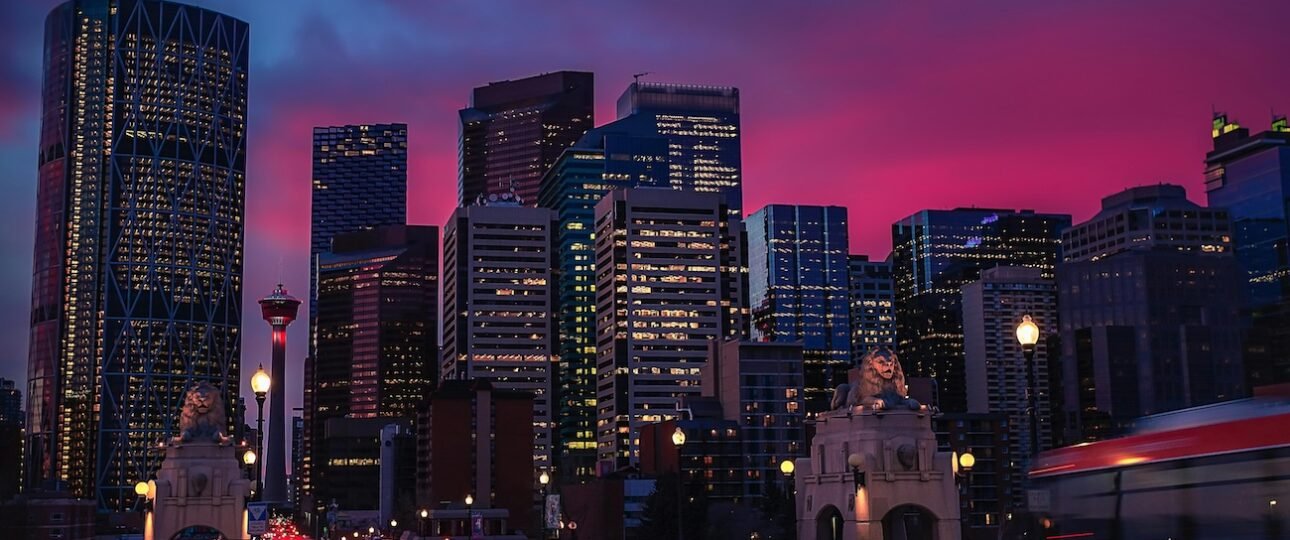
Calgary sits on the prairies at the eastern edge of the foothills, where the Bow and Elbow rivers meet. The downtown core is compact and walkable, clustered on the north bank of the Bow River. The Plus 15 network — an enclosed elevated walkway system connecting most downtown buildings — makes the core navigable in any weather, which matters in a city where January temperatures can drop to -25°C. The main neighbourhoods you are likely to spend time in as a visitor are the Downtown Core, Kensington, 17th Avenue SW (locally called the Red Mile), Inglewood, and the East Village. Each has a distinct character and is worth at least a short exploration.
Start at the Bow River Pathway
The single best free thing to do in Calgary is walk or cycle the Bow River Pathway — a paved multi-use trail that follows the river for over 40 km through the city. The stretch between the Peace Bridge and St. Patrick’s Island is particularly rewarding, passing through green space, public art installations, and offering clear sightlines west toward the mountains on a good day. The Peace Bridge itself — a striking red pedestrian bridge designed by Santiago Calatrava — is worth pausing on. Rent a bike from one of the CRBIKE share stations dotted along the route and give yourself a full morning.
Visit the Glenbow Museum
The Glenbow is one of the finest museums in western Canada and an essential stop for anyone wanting context for the landscape and culture they are about to explore. Its permanent collection covers the history of the Canadian prairies, the cultures of the Blackfoot Confederacy and other Indigenous nations of the region, the fur trade era, and the ranching and oil history that shaped modern Alberta. The museum has recently undergone significant renovation — check current exhibition listings before visiting. It sits directly across from the Calgary Tower in the downtown core and is easily combined with a morning in the East Village.
Walk Through Inglewood
Inglewood is Calgary’s oldest neighbourhood and its most interesting. Strung along 9th Avenue SE, it has the density of independent shops, vintage stores, record shops, and restaurants that most cities take decades to cultivate. The Inglewood Bird Sanctuary sits at the eastern end — a surprisingly wild urban nature reserve on the banks of the Bow where over 270 bird species have been recorded. The neighbourhood also has a strong craft brewery presence, with a handful of excellent taprooms within walking distance of each other. Spend a weekend afternoon here and you will understand why Calgarians are fiercely protective of it.
Spend Time on 17th Avenue SW

If Inglewood is where Calgary’s creative history lives, 17th Avenue SW is where its present appetite is. This stretch — running roughly between 4th Street and 10th Street SW — is the city’s most concentrated dining and nightlife corridor. The range is genuinely impressive: natural wine bars, ramen shops, wood-fired pizza, upscale Canadian cuisine, rooftop patios, and some of the best independent coffee in the city. It is also the street that transforms completely during the Calgary Stampede, when the entire avenue becomes a ten-day open-air party. At any other time of year it is simply a very good place to eat and drink.
See the Calgary Tower — Once
The Calgary Tower is 190 metres tall, was completed in 1968, and has a glass floor observation deck that produces the requisite vertigo for those who seek it. It is worth doing once, particularly on a clear day when the Rockies are visible to the west in their full extent — a view that makes the scale of what you are about to drive into properly apparent. The revolving restaurant at the top is functional rather than exceptional. Skip the dining, do the observation deck, spend an hour, and move on.
Explore the East Village
The East Village is Calgary’s most dramatic urban transformation story — a formerly derelict floodplain neighbourhood that has been rebuilt over the past fifteen years into a thoughtfully designed mixed-use district on the banks of the Bow. The RiverWalk connects it to the rest of the pathway system. The Central Library — completed in 2018 and designed by Snøhetta — is one of the most beautiful public buildings in Canada and worth visiting in its own right regardless of whether you intend to borrow anything. St. Patrick’s Island, connected by a pedestrian bridge from the East Village, has been transformed into a genuine urban park with wetlands, fire pits, and river access.
Eat Your Way Through Kensington
Cross the Bow River north from downtown and you reach Kensington — a compact, walkable neighbourhood that functions as Calgary’s village within the city. Kensington Road and 10th Street NW are lined with independent cafés, bakeries, bookshops, and restaurants that cater primarily to locals rather than visitors. Phil & Sebastian Coffee Roasters, one of Calgary’s most respected roasters, has a location here. The neighbourhood is also within easy walking distance of the SAIT campus and Riley Park, making it a good spot for a relaxed morning before heading west toward the mountains.
Go to the Calgary Stampede — Or Avoid It Entirely
The Calgary Stampede runs for ten days each July and is one of the largest outdoor rodeos and festivals in the world. It draws over one million visitors annually, fills every hotel room in the city, and transforms the culture of the place in ways that are either thrilling or exhausting depending on your disposition. The midway, grandstand shows, chuck wagon races, and rodeo events are genuinely spectacular if this kind of thing interests you. If it does not — if you are visiting Calgary purely as a gateway to the mountains — it is worth timing your arrival before or after Stampede to avoid the crowds and inflated accommodation prices. There is no neutral relationship with the Stampede; you either lean in or plan around it.
Day Trips from Calgary
Calgary’s greatest asset for visitors is its position as the eastern gateway to the Canadian Rockies. The following are all realistic day trips with a rental car.
Canmore is 100 km west on Highway 1, about an hour’s drive, and offers mountain scenery, excellent hiking, and a genuine small-town atmosphere without the crowds of Banff.
Banff townsite is 125 km west, about 90 minutes, and needs no introduction — it is one of the most visited destinations in Canada and fully justifies the drive. Find more about Banff nightlife guide.
Kananaskis Country begins less than an hour southwest of the city on Highway 40 and offers spectacular provincial park scenery with a fraction of the national park crowds.

Drumheller is 135 km northeast — in the opposite direction from the mountains — and is one of the most otherworldly landscapes in Canada. The badlands of the Red Deer River valley, carved into hoodoos and canyon walls, look nothing like the rest of Alberta and contain one of the richest dinosaur fossil records on Earth. The Royal Tyrrell Museum in Drumheller is world-class and genuinely unmissable for anyone with even a passing interest in palaeontology.
Practical Notes
Calgary International Airport (YYC) is located about 17 km northeast of downtown and is well connected to the city centre by the CTrain light rail — the free fare zone covers the downtown core. A rental car is strongly recommended if you plan to visit the mountains, as public transit options beyond the city are limited. The city operates on Mountain Time (UTC−7 in summer). Tipping culture follows Canadian norms — 18 to 20 percent is standard at restaurants. Summers are warm and sunny with occasional dramatic thunderstorms; pack a light rain layer regardless of the forecast.
When to Visit
June brings long days, warming temperatures, and the city emerging from spring. Accommodation is reasonably priced and the mountains are accessible.
July is peak summer — warm, busy, and dominated by the Stampede in the first two weeks. Book well in advance if visiting during Stampede; avoid it entirely if crowds are not your thing.
August is arguably the best month — long days, settled weather, and the Stampede crowds gone. The Rockies are fully accessible and at their most vivid.
September offers cooler temperatures, quieter streets, and the beginning of autumn colour in the foothills. An excellent shoulder season with genuine value on accommodation.