Canmore sits 104 kilometres west of Calgary, cradled in a glacial valley where the Bow River bends south and the Three Sisters — those three jagged limestone peaks — watch over everything with quiet authority. It used to be a coal mining town. Now it’s something harder to categorise: too local to feel like a resort, too beautiful to stay hidden.
This isn’t the guide that tells you to visit Banff and ‘also check out Canmore.’ This is the guide for the person who wants to skip Banff, park the car, and actually be somewhere for a few days. Canmore is the town that Banff forgot to colonise.
#1 The Lay of the Land
Canmore is deceptively small. The town proper sits on the valley floor, straddling both sides of the Trans-Canada Highway (locals call it the TCH), with the Bow River cutting through the south end. Main Street — officially called 8th Street — is where most of the restaurants and shops live, running roughly six blocks before dissolving into residential streets.
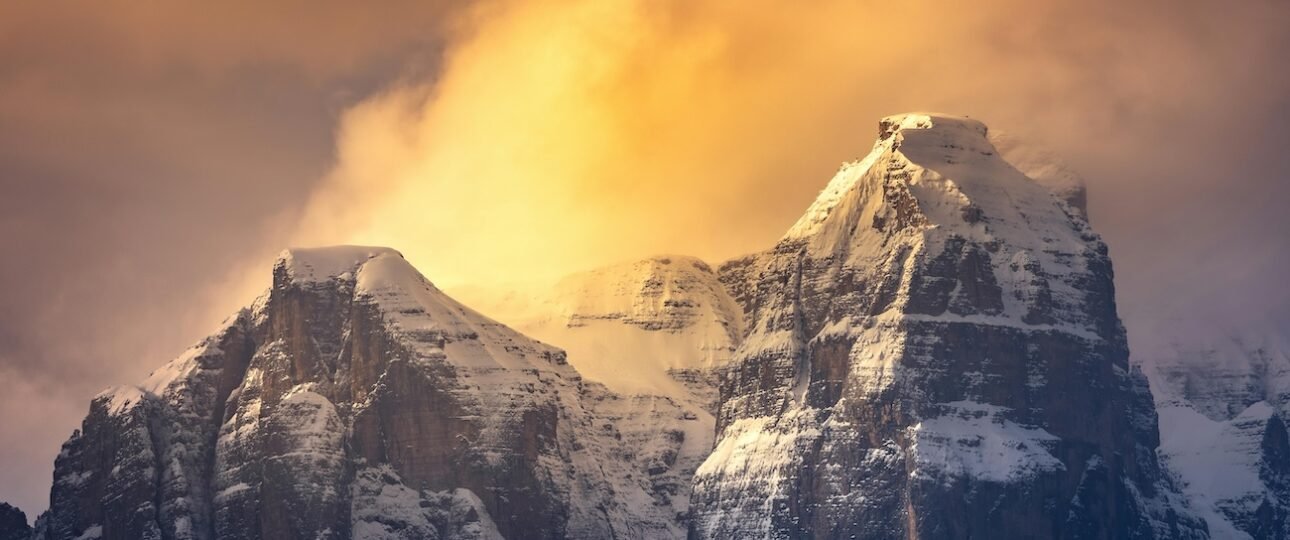
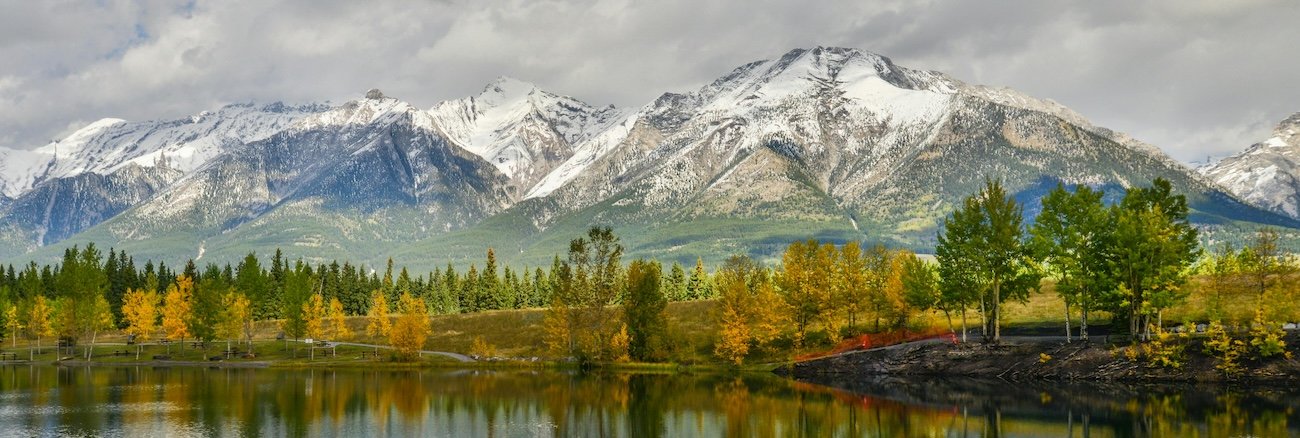
The key orientation points are the mountains themselves. Look north and you see Grotto Mountain. Turn south and the Three Sisters dominate. Ha Ling Peak — that steep, photogenic summit directly above downtown — is the hike everyone does first. The Rundle Range runs east to west, capping the valley like a raised jaw. Once you’ve got those in your head, you always know where you are.
“Canmore is one of those places where the scenery is so absurd that visitors assume the coffee must be bad – it isn’t.”
Quick facts
Elevation 1,350 metres (4,430 ft)
If you’ve come from sea level, take it easy the first day. The altitude is real — headaches and fatigue are common on arrival.
Best Time June–September or January–March
For hiking and festivals, go in summer. For skiing Nordic and alpine, go January–March. Shoulder seasons (May, October) offer solitude and lower prices.
Getting Here Calgary Airport is ~75 minutes by car
Brewster Express runs daily shuttles. There is no train. Once in Canmore, everything is walkable or cycleable.
#2 The Whole Point of Being Here
The outdoors is not an amenity in Canmore — it’s the reason. The trail network starts effectively at every street end. You can walk out of your accommodation, cross a field, and within twenty minutes be genuinely in the mountains. Here’s what to know, by experience level.
Ha Ling Peak — the local’s benchmark
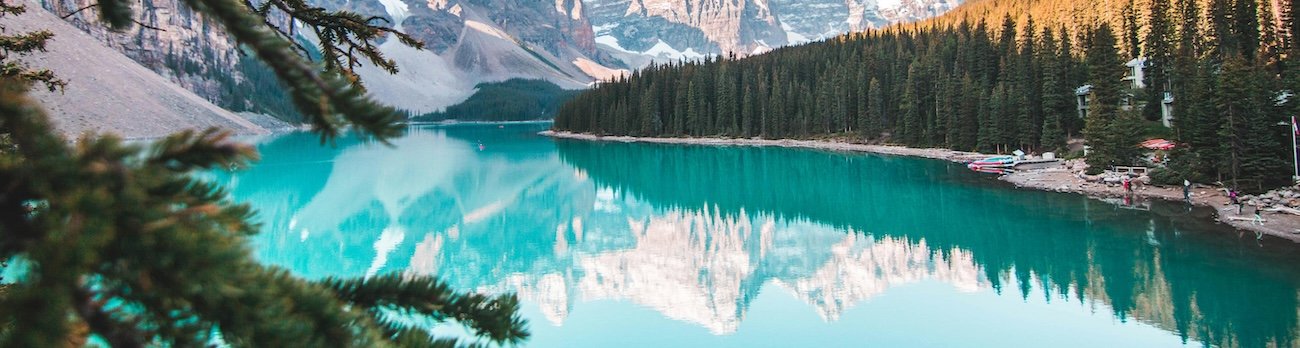
The trailhead is off the Smith-Dorrien / Spray Lakes Road, a 5-minute drive from downtown. It’s 7.4 km return, 760 m elevation gain — steep, relentless, and rewarding. The view from the summit puts Canmore and the Bow Valley below you like a topographic map. Most fit hikers take 3–4 hours return. Start before 9am in summer to beat the heat and crowds.
Grassi Lakes — the accessible masterpiece
Two brilliantly turquoise lakes perched above town, reachable in 45 minutes via the easy route (3.2 km) or a steeper, more dramatic scramble trail. There are pictographs near the upper lake — Indigenous rock art that predates the town by centuries. Swimming is technically allowed and frequently done. The water is snowmelt cold.
Nordic skiing — Canmore’s secret season
The Canmore Nordic Centre hosted the 1988 Winter Olympics. The trail system is exceptional — 65 km of groomed trails at different levels. Day passes are inexpensive, rental gear is on-site, and weekday mornings you can be entirely alone in snow-covered forest. This is worth timing a winter visit around.
The Bow Valley Trail — cycling
A paved multi-use path connects Canmore to Banff (22 km each way) through a wildlife corridor. In summer you’ll share it with elk, deer, and the occasional wolf sighting in the distance. Bikes are available to rent in town. The ride is mostly flat and takes about 2 hours each way at a casual pace.
Wildlife — genuinely expect it
Canmore is in a wildlife corridor. Bears (black and grizzly), elk, mountain lions, wolves, and coyotes are regular presences. Carry bear spray on every trail — it’s not theatre, it works. The local knowledge: if elk are grazing on the soccer field, don’t walk between them and the treeline. They’re more dangerous than bears in rutting season (September–October).
“The mountains don’t care about your fitness app. They care whether you packed water.”
#3 Better Than It Needs to Be
Canmore punches well above its weight for food. The proximity to Calgary means enough through-traffic to support real restaurants, but the local culture is outdoorsy and practical — the best places are unfussy and consistent, not theatrical.
Tavern 1883
Named for the year the Canadian Pacific Railway arrived. Solid Alberta beef, craft beer on draught, and a patio that looks directly at the Three Sisters. The kitchen stays open late by Canmore standards. Reliably good burgers, occasionally great rib-eye. Book ahead on weekends.
Crazyweed Kitchen
The best restaurant in town and widely acknowledged as such. An eclectic menu — duck confit alongside Thai-inflected noodles — that sounds chaotic but works. Small room, high demand. Reserve a week out in summer. The cocktail program is unexpectedly sophisticated.
Communitea Café
The vegetarian and vegan spot that even committed carnivores eat at. Enormous portions, excellent smoothies, and a warm room with mismatched furniture. Good for breakfast and lunch. The line is often out the door on summer weekends — go early or arrive at 2pm when the rush clears.
The Iron Goat Pub & Grill
Canmore’s best après-hike spot. A proper pub with a fireplace in winter and a beer garden in summer. Order the nachos and one of the local pints. The staff are almost always just back from the trail themselves. Conversations start easily here.
Beamer’s Coffee Bar
The right coffee shop. The espresso is properly sourced and prepared, the pastries are actually from a baker. On Main Street. Gets busy but moves fast. The standard pre-hike ritual for people who live here.
#4 Every Season Is Different
Canmore is a four-season destination in a way that few mountain towns actually are. The activities, the crowds, and the character of the place shift dramatically depending on when you arrive.
| Summer JUNE · JULY · AUGUST Peak everything. Trails in full condition, the Bow River is runnable, the town triples in population. Book 2–3 months ahead. The Canmore Folk Music Festival (August long weekend) is worth the chaos. | Autumn SEPT · OCT · NOV Larch season (late Sept to mid-Oct) turns the high alpine gold. Crowds thin, prices drop, and hiking conditions are often perfect on crisp, clear days. |
| Winter DEC · JAN · FEB · MAR Cold and quiet. The Nordic Centre is at its best. Downhill skiing at Sunshine and Lake Louise is 30 min away. Accommodation is significantly cheaper. A -15°C morning in the mountains is unlike anywhere else. | Spring APRIL · MAY Unpredictable but rewarding. Snow on trails is possible into June, but prices are low and town is quiet. Locals use May to recover from ski season before the hiking crowds return. |
#5 Things No Brochure Will Tell You
— Banff is 25 minutes away — use it for the park, not for town
Banff National Park is one of the great places on earth. The town of Banff, on a summer Saturday, is a 40,000-person mall with mountains behind it. Go for Moraine Lake at dawn, Lake Louise at 7am before the buses arrive, or a backcountry hike. Stay in Canmore and drive in.
— The grocery situation is real
There’s one main grocery store (Save-On-Foods) and it’s fine but not cheap. If you’re driving from Calgary, stop at a Costco or regular supermarket and stock up, especially for a longer stay. Restaurant prices in Canmore are high — cooking most meals is not a compromise, it’s just sensible.
— Parking during peak summer is genuinely awful at trailheads
The Grassi Lakes parking lot is full by 8am on summer weekends. The Ha Ling trailhead on the highway is full by 7:30am. The solution is not to arrive earlier — it’s to cycle or take the local shuttle. Or just start at 6am, which is also when the light is best.
— The sunsets are in the east here
Because of the valley orientation, the peaks to the east catch the alpenglow at the end of the day — the mountains turn pink and orange while the sun sets behind you. The best viewpoint is the pedestrian bridge on 8th Street, looking east, around 30 minutes before sunset.
— The housing crisis is real and locals notice your attitude
Canmore has one of the worst housing affordability ratios in Canada. The workers at your café and your hotel often commute an hour each way because they can’t afford to live where they work. Tip generously, talk to people, don’t treat the town as a set.
#6 The Only Checklist You Need
If you’ve done these things, you’ve been to Canmore. Not visited it — been to it.
- Had coffee at Beamer’s before a trail. The ritual matters. Order something, take it outside, look up at whatever mountain is in front of you, and commit to the day.
- Reached a summit — any summit. Ha Ling, Heart Mountain, Grotto, the East End of Rundle. The town looks different from above it. Everything does.
- Seen the alpenglow on the east-facing peaks. Stand on the 8th Street bridge, facing east, 30 minutes before sunset. Don’t have your phone out. Just look.
- Eaten at Crazyweed. Once you have, you’ll understand why locals are so protective about not wanting the town to get too famous.
- Stood somewhere with no noise except wind and birds. This is the thing Canmore is actually for. Everything else is logistics to get you to this.