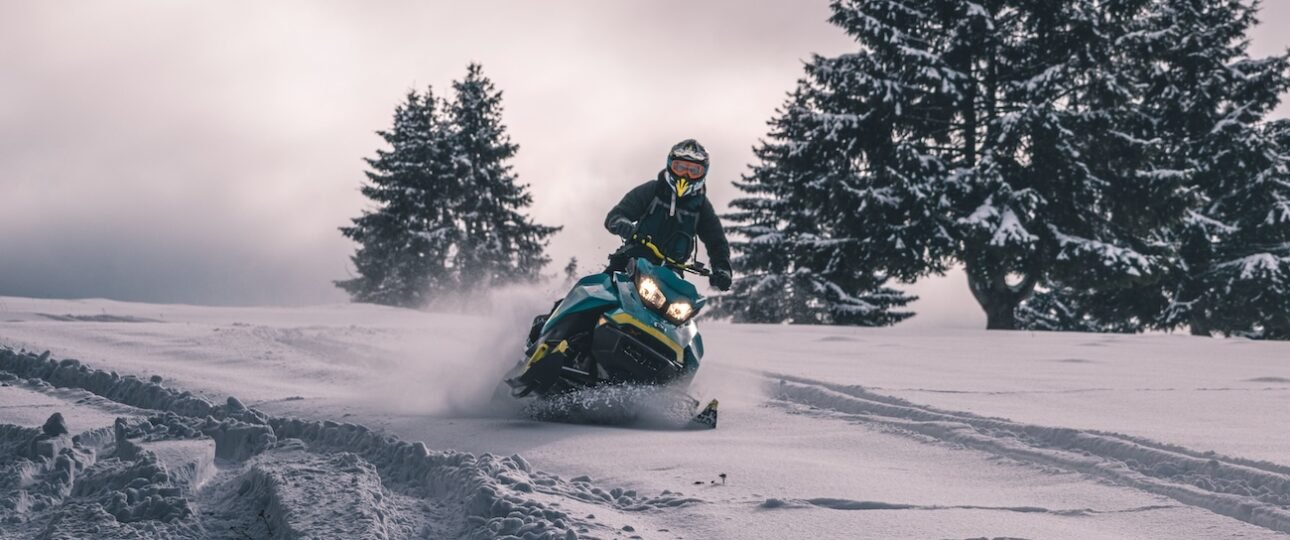
Alberta is one of the few places in Canada where you do not need a mandatory province-wide trail pass to ride a snowmobile on public land. That single fact confuses a lot of people coming from Ontario or Manitoba. What the law does require is straightforward once you separate the legal minimums from the voluntary Alberta Snowmobile Association (ASA) membership that supports groomed club trails.
Here is the practical version for this winter and into next season. Rules on public land have been stable for years. Always double-check the official Alberta.ca snowmobiling on public land page and local PLUZ maps before you head out, because closures and specific zone dates can shift.
Quick Answer: Legal Requirements vs ASA Membership
On public land and highways you must have:
- Registered snowmobile with a visible licence plate
- Valid insurance with at least $200,000 third-party liability
- CSA-compliant helmet for every operator, passenger, and anyone being towed
- Operator at least 14 years old (under 14 must be closely supervised by someone 18+)
- Working headlamp and tail lights, proper muffler, and spark arrestor
ASA membership is voluntary. It is not required by provincial law to ride on public land. It is required (or strongly recommended) on many club-managed and private-land trails if you want to avoid trespassing charges and support the people who groom the trails.
Legal Minimums on Public Land
Alberta’s Traffic Safety Act and Off-Highway Vehicle rules treat snowmobiles as off-highway vehicles when they are used on public land or highways. The Government of Alberta’s snowmobiling page lists the core rules clearly:
- Operators must be 14 or older. Younger riders need direct adult supervision.
- The machine must be registered and insured. The insurance floor is $200,000 third-party liability.
- Everyone on or being towed by the snowmobile needs a CSA-compliant helmet. Fines run about $155 for no helmet and $93 for a non-compliant one. See the official off-highway vehicle helmet law for full details and exemptions.
- The sled needs a licence plate, working lights, a proper exhaust muffler, and a spark arrestor.
- Stay on designated trails and water crossings inside Public Land Use Zones, or within designated snow-vehicle areas. Outside PLUZs, follow posted signs.
- Keep tracks out of open water and off beds and shores unless the ground is frozen solid or you are on ice that can support the machine.
- Impaired operation is illegal, the same as driving a car.
Registration is done at a registry agent. You need proof of ownership and proof of insurance. Off-highway vehicle registrations are typically issued for one or two years. Out-of-province visitors can usually ride with their home registration and insurance for a short period, but after 30 consecutive days Alberta rules apply.
Do I Need an ASA Membership or Trail Pass?
No. Alberta does not have a mandatory province-wide trail pass like Ontario’s OFSC permit or Manitoba’s Snopass. The Government of Alberta’s own snowmobiling page never lists an ASA membership as a legal requirement for public land.
The Alberta Snowmobile Association is a volunteer-driven organization that works with local clubs to groom and maintain roughly 6,500 km of trails. Membership is how those clubs pay for fuel, equipment, insurance, and signage. Current pricing (2026-2027 season) is typically $80 if you buy before January 1 (early bird) or $100 after that. An optional decal is available for an extra fee. A day pass is also offered (around $25 and covers two days). Membership is sold per person, not per sled. If a friend rides your machine, they need their own membership or day pass.
On many ASA-managed trails that cross private land, the membership functions as the landowner’s permission. Without it you can be charged under the Trespass Act. On pure public land you can legally ride without it, but the trails that get regular grooming are the ones funded by memberships. Buying where you ride is the practical approach most regular sledders take.
Where You Can Ride
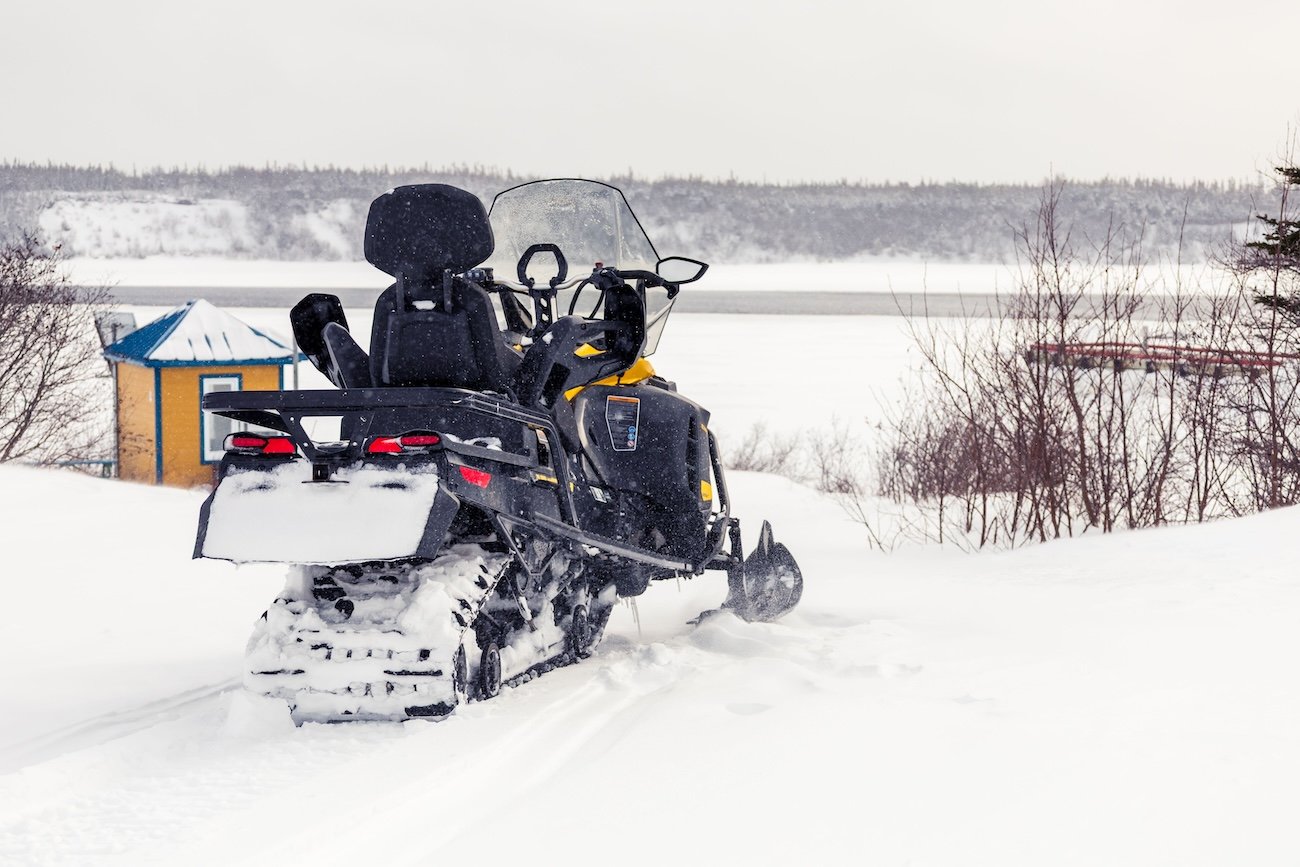
Snowmobiling is allowed on public land both inside and outside Public Land Use Zones, on designated provincial trails, and in some provincial park sites. Outside a PLUZ the main rule is to follow posted signs and stay off private or leased land unless you have permission. Inside a PLUZ the rule is tighter: stay on designated trails and water crossings or within designated snow-vehicle areas.
Popular winter zones include:
- Cataract Creek Snow Vehicle PLUZ — typically open December 1 to April 30.
- Sibbald Snow Vehicle PLUZ — usually January 1 to March 31 (OHVs other than snow vehicles are not permitted).
- Castle Provincial Park and Castle Wildland — designated areas December 1 to April 30.
- Whitecourt Sandhills and Holmes Crossing — designated trails, generally December 1 to March 1.
- Coal Branch and other central and northern PLUZs — designated trails only; check current maps.
Kananaskis PLUZ, Blackstone/Wapiabi, and Panther Corners are generally closed to snowmobiles. Always download the georeferenced maps from the Alberta.ca PLUZ pages and check for closures before you leave. The ASA online trail map is useful for club-maintained routes and recent grooming status.
Private Land vs Public Land
On your own private property you do not need registration, insurance, a helmet, or an age restriction. On someone else’s private or leased land you need the owner’s or leaseholder’s permission. Without it you are trespassing. Construction equipment, fences, and buildings are good visual clues that land is occupied. Contact the disposition holder or use the province’s leased-land contact tools if you are unsure.
Practical Tips Before You Ride
- Check weather, snow conditions, and avalanche forecasts. Many PLUZs are not avalanche-controlled.
- Download offline maps and trailhead directions. Cell service is patchy.
- Tell someone your plan and expected return time. Ride with a partner when possible.
- Carry avalanche gear (beacon, shovel, probe) if you are in mountain terrain.
- Highway ditches are generally off-limits. You may cross a highway after stopping, unloading passengers, and taking the shortest safe route.
Winter driving and outdoor conditions in Alberta are a frequent topic of discussion. If you are new to the province, our piece on whether Alberta is really as cold as people say covers regional differences and practical cold-weather reality. For other winter activities, check the outdoor skating rinks in Cold Lake or night skiing at Kinosoo Ridge. Abraham Lake’s ice bubbles are another popular mid-winter draw near Nordegg. And if your rides take you into backcountry areas, the wildlife safety tips for hiking in Alberta are still useful when you are on a sled.
Related Alberta Insider guides:
Cold Lake outdoor skating rinks, Kinosoo Ridge night skiing, Abraham Lake ice bubbles, and wildlife safety tips for hiking in Alberta.
FAQs
Do I need a driver’s licence to ride a snowmobile in Alberta?
Not for pure off-highway use on public land. A Class 5 licence is generally required if you are operating on a highway or road allowance. Check local municipal bylaws as well.
Is ASA membership required on every trail?
No. It is voluntary on public land. It is effectively required on many club and private-land trails if you want to stay legal with landowners and support grooming.
Can I ride in highway ditches?
Generally no. The legal definition of highway includes the ditch. Crossing is allowed under strict rules; riding along the ditch is not unless a specific ministerial order or municipal bylaw permits it.
What about out-of-province visitors?
Bring proof of your home registration and insurance. After 30 consecutive days in Alberta, local registration and insurance rules apply.
Where can I find current trail maps?
Alberta.ca has PLUZ pages with downloadable georeferenced maps. The ASA site and its trail map show club-maintained routes and recent grooming status. Contact local clubs for the most up-to-date conditions.
Ride safe, stay on designated routes, and check conditions before every trip. The rules are clear once you separate the legal floor from the voluntary membership that keeps the groomed trails running. Have a good season.