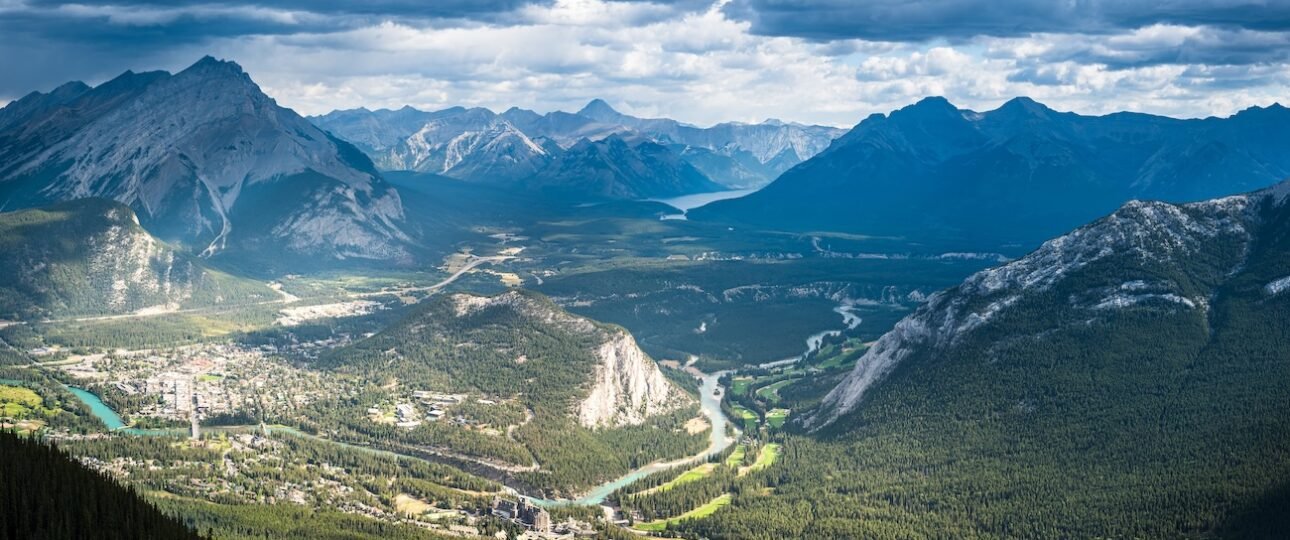
A solid Banff 3 day itinerary is all most people need if they plan it properly. Not enough time to see everything in the park, but more than enough to hit the main highlights without spending the whole trip in traffic or lineups.
This Banff 3 day itinerary is written for people driving from Calgary (or coming through Calgary from Edmonton), first-timers, and anyone who wants a clear, workable plan for 2026. It factors in the current shuttle rules, the Canada Strong Pass free-entry window, and the reality of summer crowds. If you’re still deciding between seasons, check our Banff in winter vs summer guide.
What You Must Know Before You Go (2026 Updates – Banff 3 Day Itinerary)
Park entry
From June 19 to September 7, 2026, Banff National Park admission is free under the Canada Strong Pass. No pass required. Outside those dates you need a daily pass (adult $12.25, family/group $24.50) or a Discovery Pass. For a full breakdown of whether the annual pass is worth it, see our guide to Canadian national parks passes.
Shuttles are non-negotiable for the lakes
Private vehicles are banned on Moraine Lake Road. You need a Parks Canada shuttle reservation (or a commercial operator). Reservations for the season opened April 15, with remaining seats released two days in advance at 8 a.m. Mountain Time. Book early or set alarms. We have a detailed Moraine Lake shuttle guide if you want step-by-step booking tips.
Roam Transit
Route 8X runs Banff–Lake Louise. Route 9 serves Johnston Canyon (daily in summer). Reservations recommended on the express routes in peak season. If you’re travelling without a car, our guide to getting around Alberta without a car covers the main options.
Car vs no car
A car gives flexibility for Vermilion Lakes, the Minnewanka Loop, and early starts. You can follow this Banff 3 day itinerary without one using Roam + Parks Canada shuttles, but it requires more planning and earlier starts.
Drive time from Calgary
About 1 hour 20–40 minutes to Banff townsite in normal traffic. Leave early on Day 1 if you want a full first day. For the complete drive details, stops, and tips, see our Calgary to Banff road trip guide.
Day 1 – Banff Town + Easy Wins
Arrive mid-morning if possible.
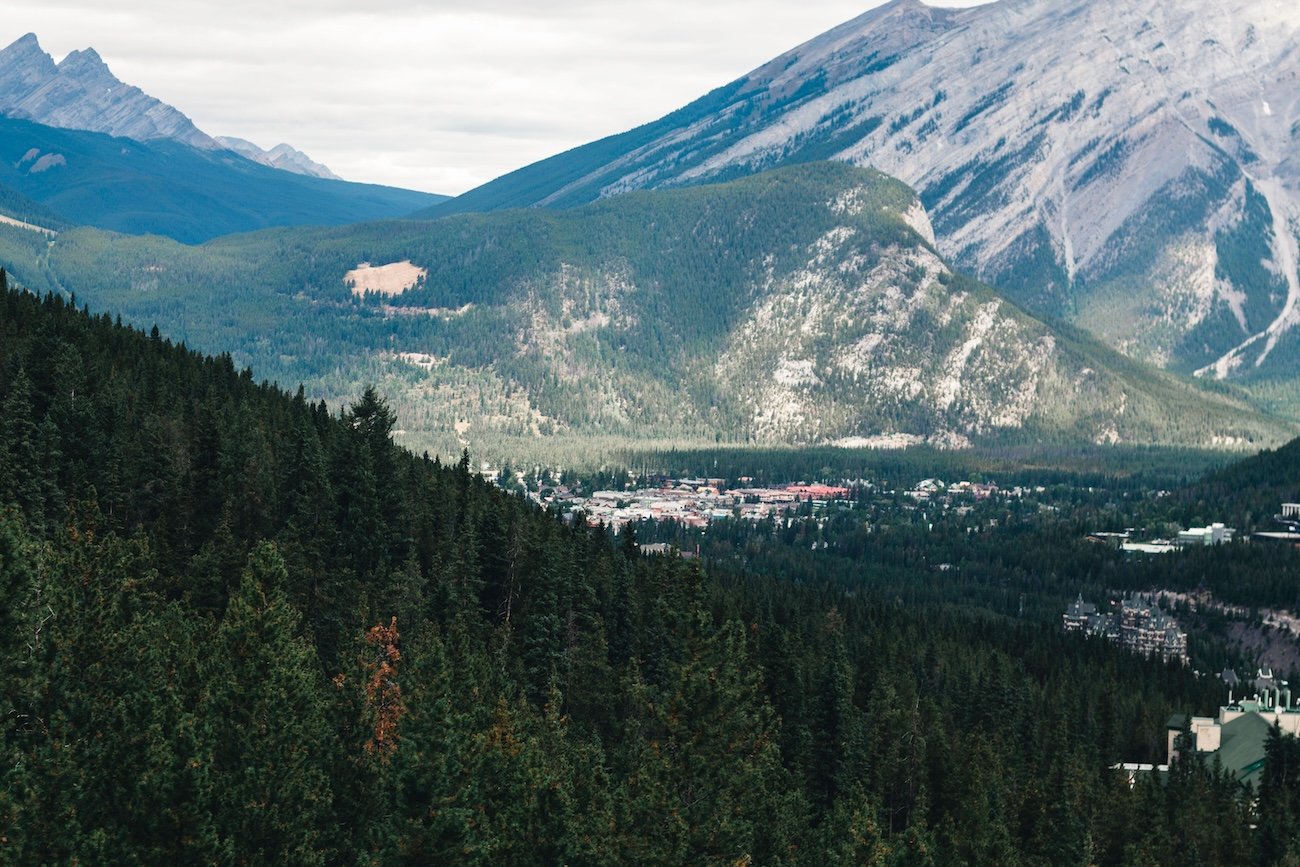
Start with the town itself. Park once (or use Roam) and walk Banff Avenue. Grab coffee, stretch your legs, and get oriented. Cascade Mountain frames the street — it’s the classic first photo.
Afternoon options (pick 2–3):

- Bow Falls and the Fairmont Banff Springs viewpoint (Surprise Corner is the classic shot).
- Short walk along the Bow River.
- Banff Gondola on Sulphur Mountain (book ahead — prices are dynamic and often $65–$90+ for adults). The boardwalk at the top is excellent.
- Banff Upper Hot Springs if you want to soak (fees still apply even during free entry).
Evening: Head to Vermilion Lakes for sunset. It’s a short drive or bike ride from town and one of the best low-effort views of Mount Rundle. Bring a light jacket — it cools off fast. For more photo-worthy spots, check our list of best viewpoints in Banff.
Dinner in town. Book or go early on weekends. Looking for options? Here’s our roundup of best restaurants in Banff for every budget.
Day 2 – Lake Louise & Moraine Lake
This is the big day of any Banff 3 day itinerary. Start early.
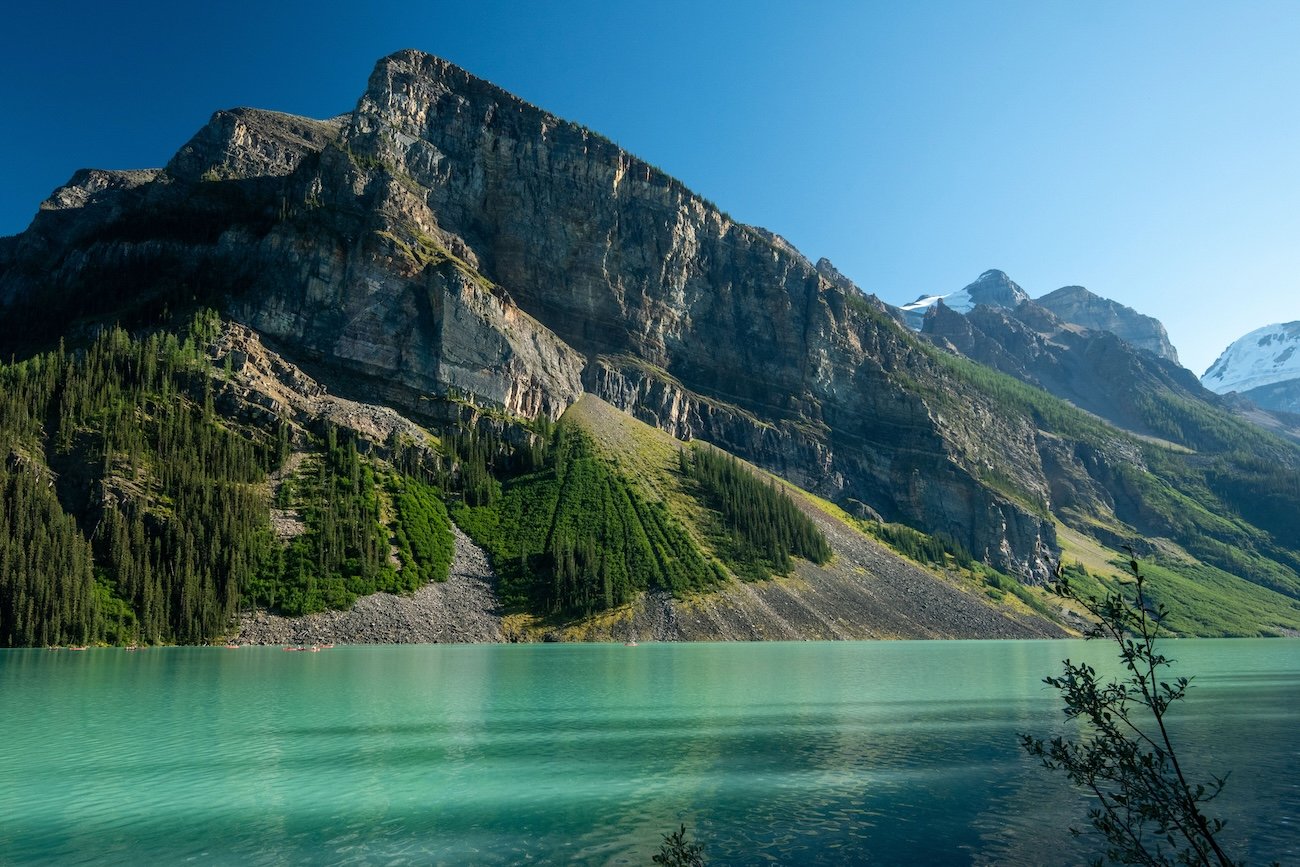
Strategy that works in 2026: Book a Parks Canada shuttle that starts at Moraine Lake if possible. Do the Rockpile Trail first (short, steep, best viewpoint). Then use the Lake Connector to Lake Louise.
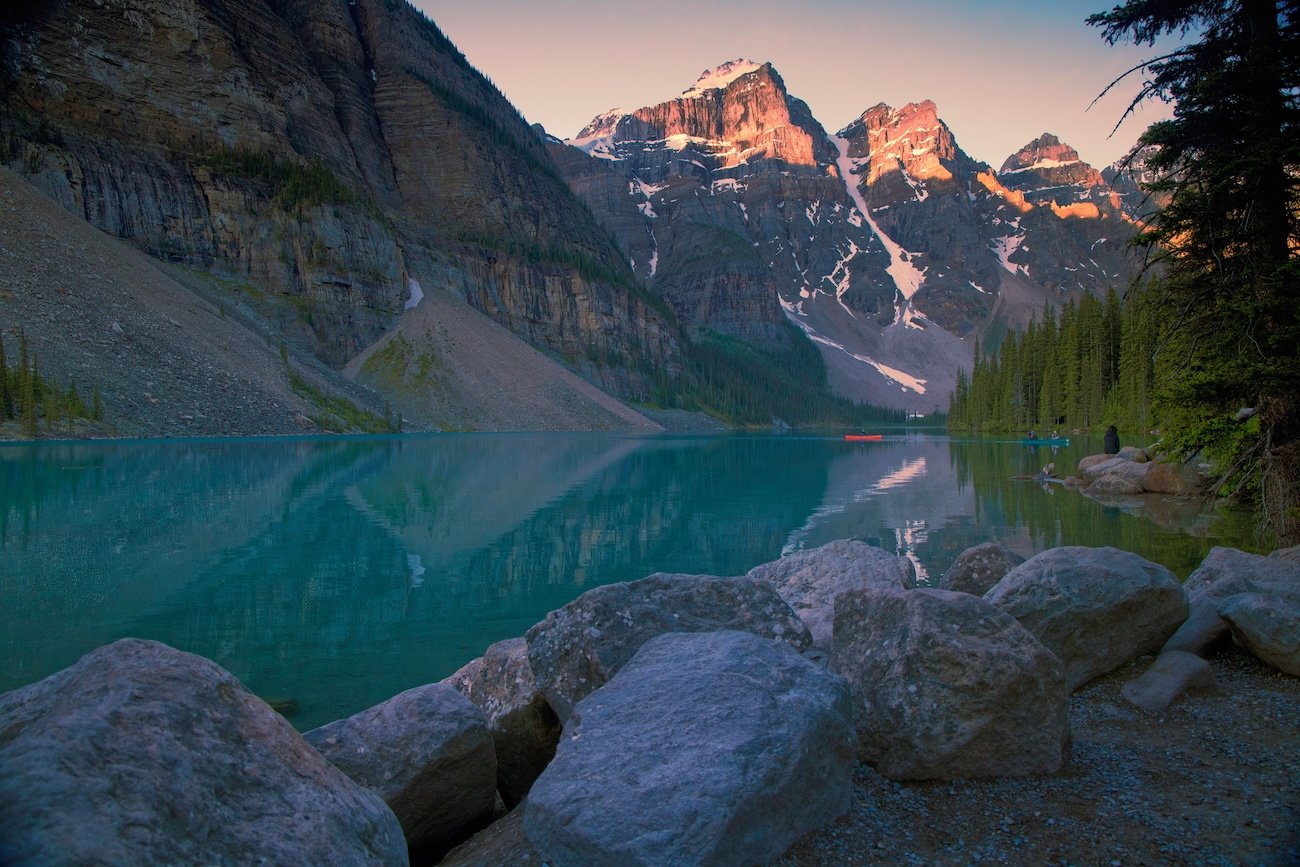
At Lake Louise: Walk the shoreline. If you have energy and time, the hike to Lake Agnes Tea House is the classic moderate option (about 3–3.5 hours return). The teahouse is cash-preferred and busy, but the views are worth it.
Practical tips:
- Arrive as early as your shuttle allows. Crowds build fast after 9–10 a.m.
- Bring layers, water, and snacks. Cell service is limited.
- If shuttles are sold out, commercial operators or a guided day tour are the backup.
Return to Banff in the late afternoon. Keep the evening light — you’ve already done the hard work.
Day 3 – Johnston Canyon + Scenic Finale
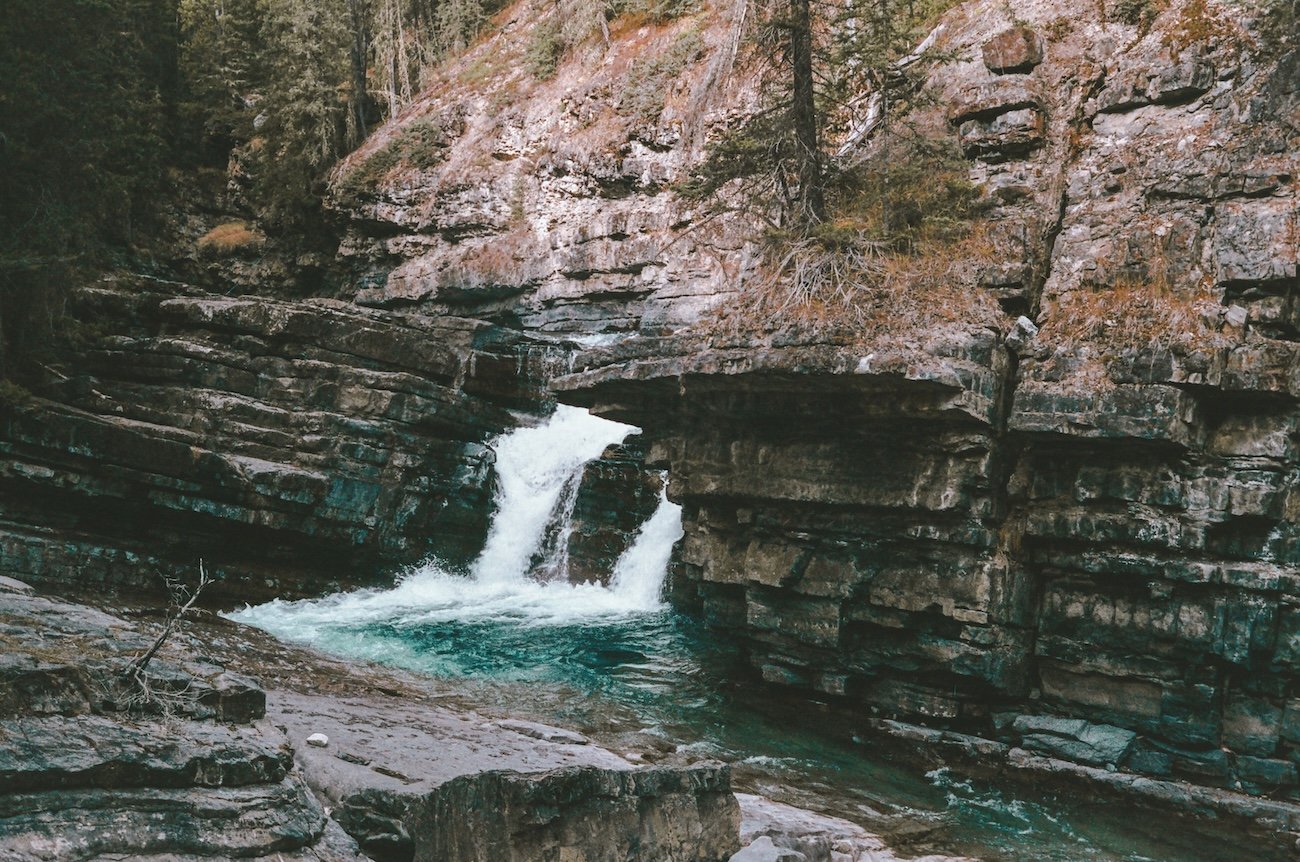
Morning at Johnston Canyon. Take Roam Route 9 or drive. Do the Lower Falls first (easy, catwalks, very popular). Continue to the Upper Falls if legs and time allow. The Ink Pots are a longer option for those who want more solitude. Always keep basic wildlife safety tips in mind while hiking in the area.
Afternoon choice:
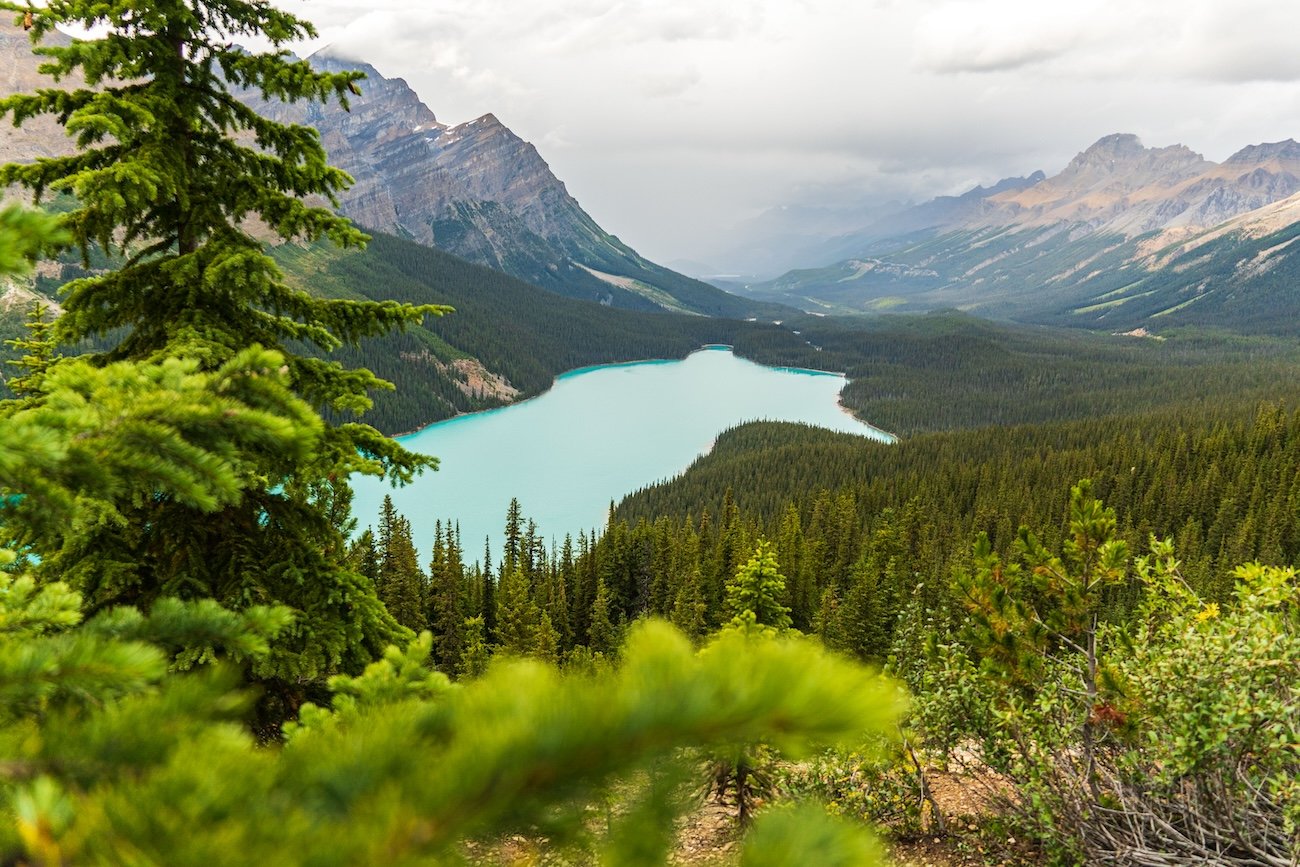
Option A (recommended for most): Short section of the Icefields Parkway. Drive north from Lake Louise to Bow Lake and Peyto Lake. Turn around. These viewpoints deliver huge scenery without committing to the full drive to Jasper. If you’re already thinking about extending the trip, our 3-day Jasper itinerary pairs well with this one.
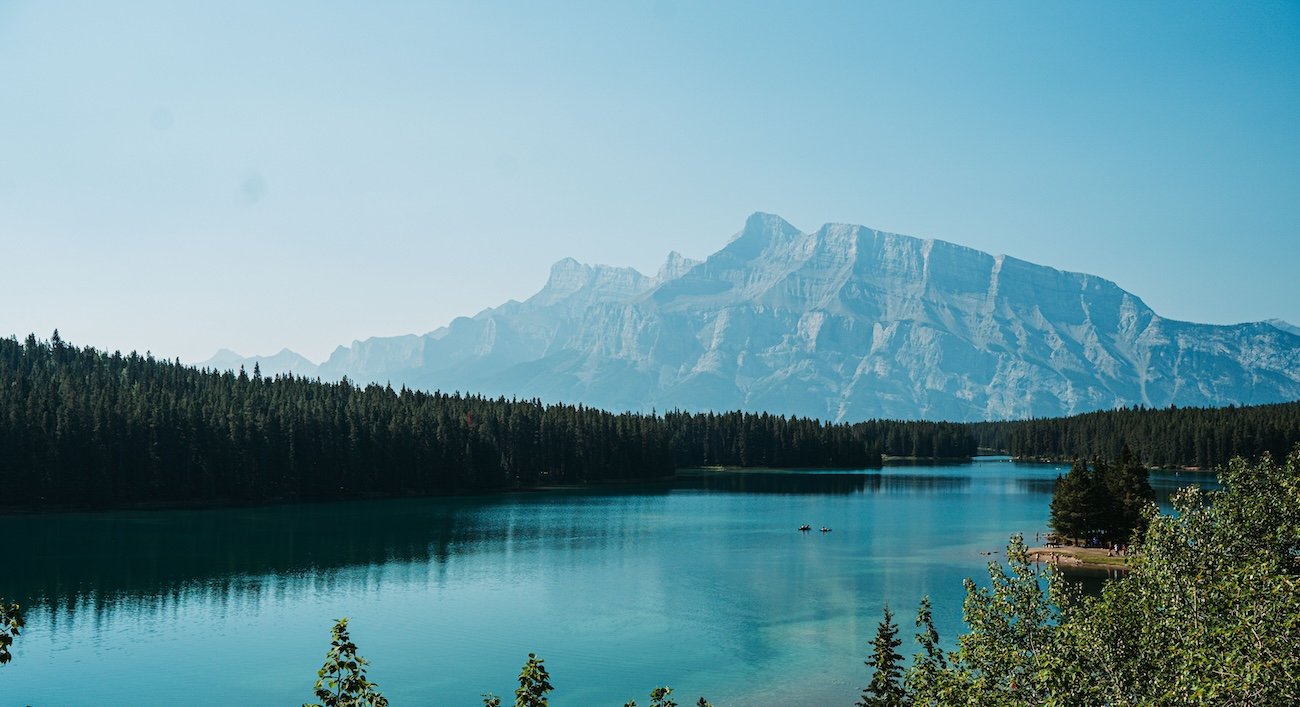
Option B: Lake Minnewanka Loop — Two Jack Lake, Cascade Ponds, and Lake Minnewanka itself. Quieter and closer to Banff.
Head back toward Calgary in the late afternoon. Stop in Canmore for a final meal if you want something less touristy and usually more reasonably priced. Many Albertans prefer basing themselves there — here’s why Canmore can be a better base than Banff town and our full Banff vs Canmore comparison.
Budget Notes for Alberta Travellers – Banff 3 Day Itinerary
Staying in Canmore instead of Banff town often saves money and still keeps you close. Hostels or mid-range places in Banff exist but book early in summer. For accommodation ideas, see our best hotels in Banff roundup.
Expect to spend on:
- Gondola tickets
- Shuttles
- Food (Banff is expensive)
- Parking where required
The free park entry window in summer 2026 helps, but activities and transport still cost.
FAQ – Banff 3 Day Itinerary
Is 3 days enough in Banff?
Yes for the main highlights. A well-planned Banff 3 day itinerary covers the essentials without feeling completely rushed. It is not enough if you want serious hiking or multiple full days on the Icefields Parkway.
Do I need a car for Banff 3 Day Itinerary?
Helpful but not essential. Roam Transit + Parks Canada shuttles cover the core of this Banff 3 day itinerary.
When should I book the Lake Louise / Moraine shuttles?
As early as possible. Set a reminder for the 48-hour release window if the initial allocation is gone.
Best month for this Banff 3 Day Itinerary?
une and September are often the sweet spot — longer days or fewer crowds than peak July–August, while still having lake access. For a full month-by-month look, see our best time to visit Alberta guide.
Can I do this with kids or limited mobility?
Day 1 and parts of Day 3 work well. Day 2 involves more walking and potential waits. The gondola and shoreline walks are accessible options. First-timers can also check our ultimate Banff travel guide for first-time visitors.
You’ve got the bones of a solid Banff 3 day itinerary. The rest is just showing up, keeping an open schedule for weather or a late shuttle, and not trying to force every single viewpoint into the same trip.
Banff rewards the people who leave a little room. The mountains will still be there next time.
Safe drive from Calgary, and enjoy it.