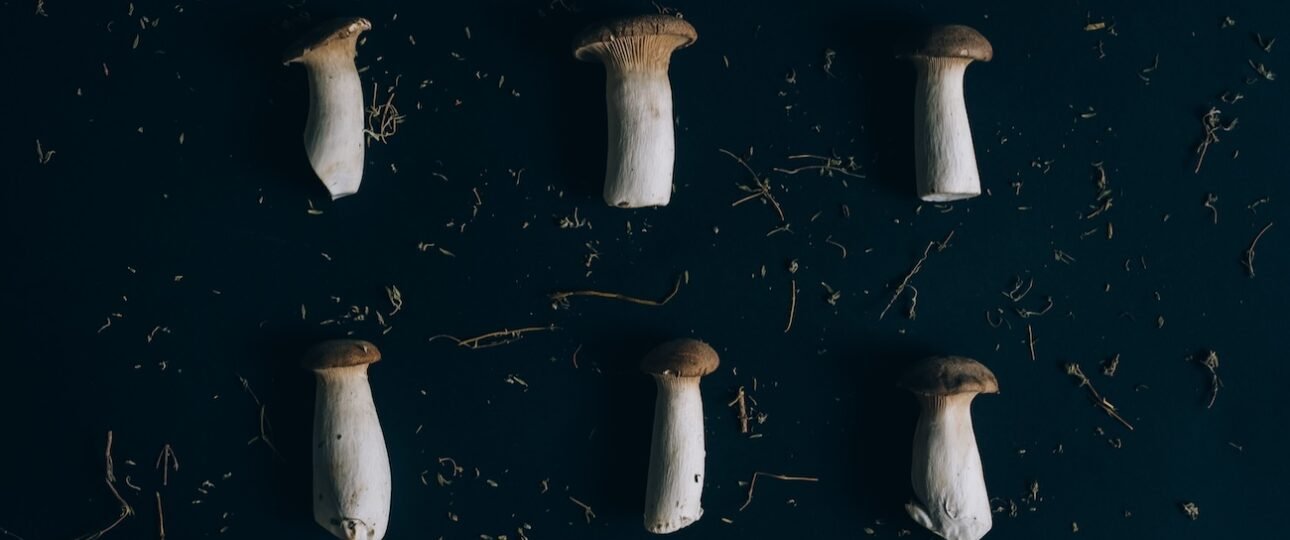
If you’re heading out for morels in spring or just exploring the woods later in the season, the rules around mushroom picking in Alberta are clearer once you separate the different types of land. Personal recreational foraging is generally allowed on most vacant Crown land and public land. It is prohibited in national parks. In provincial parks it is restricted unless you get verbal approval from the district conservation officer first.
Here’s the practical breakdown so you can forage legally, avoid fines, and still enjoy the hunt.
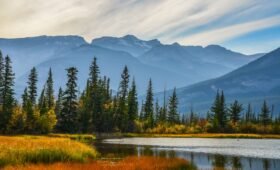
National Parks: Strict No (Banff, Jasper, and the Rest)
Collecting mushrooms, plants, berries, or any other natural objects is illegal in Canada’s national parks, including Banff and Jasper. The National Parks General Regulations treat fungi as flora, and the rule applies whether you’re taking a full basket or just a handful for the trail. There is no casual visitor exception.
This catches people after wildfires. Burn-year morels can appear near park boundaries, but if the fruiting bodies are inside the park, they stay off-limits. Stick to Crown land outside the boundary if you want to pick legally. For planning trips that stay legal while still getting you into good outdoor country, our 10 hidden gems in Alberta most tourists miss covers lesser-known spots worth exploring.
Provincial Parks and Recreation Areas: Restricted with One Clear Exception
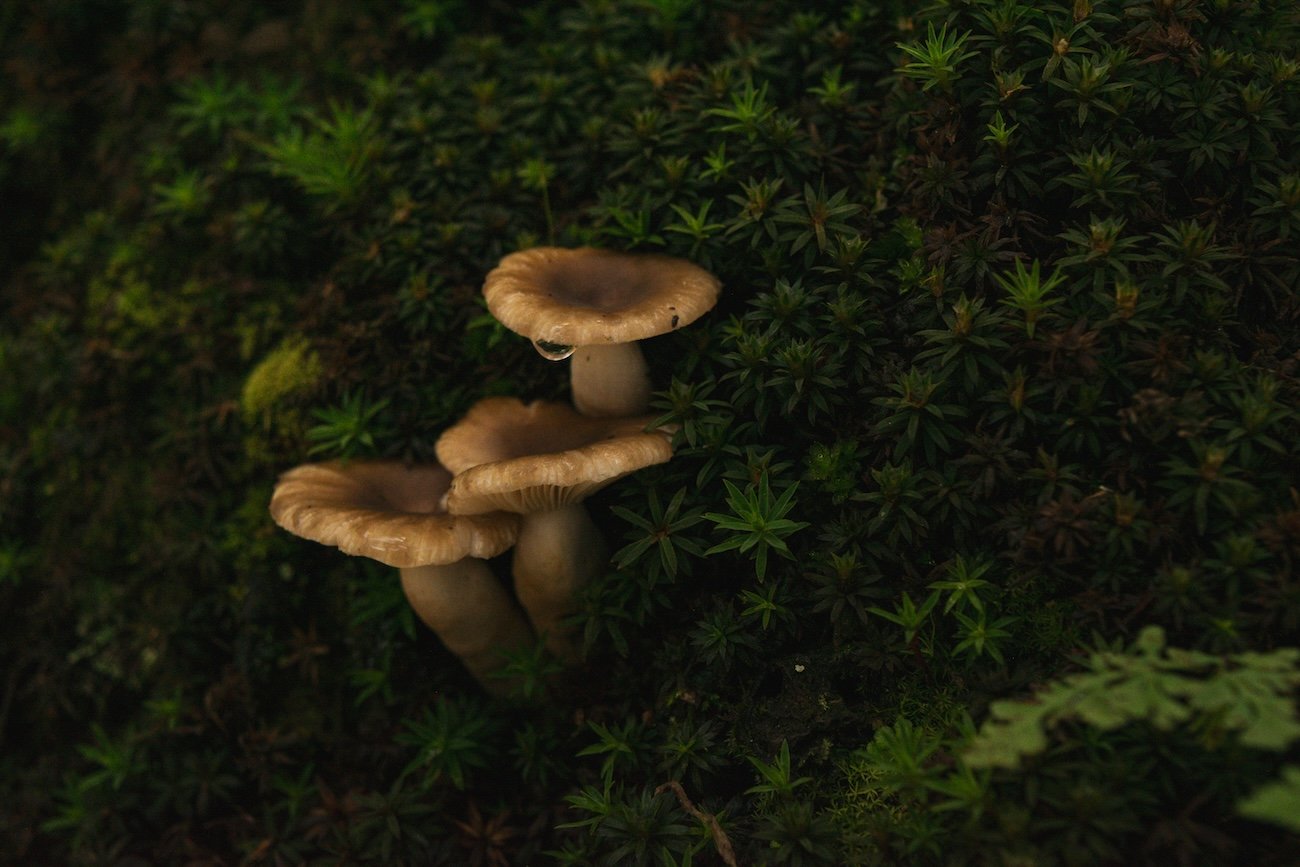
The baseline rule in Alberta’s provincial parks and recreation areas is that it is illegal to remove, deface, injure, or destroy plants. Mushrooms fall under that prohibition.
There is a narrow exception under the Provincial Parks (General) Regulation (AR 102/85, section 45(2)). Picking common flowers, wild fruits, or mushrooms may be permitted if you have oral (verbal) approval from the district conservation officer. Alberta Parks states the same thing on its regulations page: picking wild fruits and mushrooms may be permitted if you have verbal approval from the district conservation officer.
Key points about how this works in practice:
- Approval must come before you pick. Picking first and asking later is still a violation of the baseline rule.
- The district conservation officer is the person who can approve it — not a campground host or general park staff.
- Approval is specific to the park and what you want to pick. It can be refused or given with conditions. Another park or another day means another conversation.
- The exception does not cover digging roots, stripping bark, or removing whole plants.
Contact the relevant district office ahead of time. For general questions or to reach the right conservation officer, the 310-LAND (5263) line is the usual starting point.
Crown Land, Public Land, and Public Land Use Zones: Generally Allowed for Personal Use
This is where most Alberta foragers go. Personal recreational mushroom picking is typically permitted on vacant Crown land and public land.
The Recreational Access Regulation (AR 228/2003) explicitly lists “berry picking, mushroom picking and picking of other fruits or herbs” as recreational purposes. This matters especially on agricultural disposition lands such as certain grazing leases and permits, where recreational access is protected under the rules.
Public Land Use Zones (PLUZs) are also public land managed for recreation. Foraging is generally allowed, but you still need to follow the specific rules for that zone (trail use, vehicle access, camping distances, etc.). Check the current PLUZ maps and regulations on Alberta.ca before you go.
Practical habits on Crown land:
- Verify the land status so you aren’t accidentally on private land or inside a park boundary.
- Leave the site clean.
- Respect other users, livestock, and industrial activity.
- Follow general public land rules (no damaging the environment, no long-term occupation, etc.).
Areas near Nordegg and the David Thompson Highway often put you close to solid Crown land options. If you’re combining a mushroom walk with other outdoor time, the Abraham Lake ice bubbles guide covers a popular winter draw in the same general region.
Private Land, Grazing Leases, and Other Areas
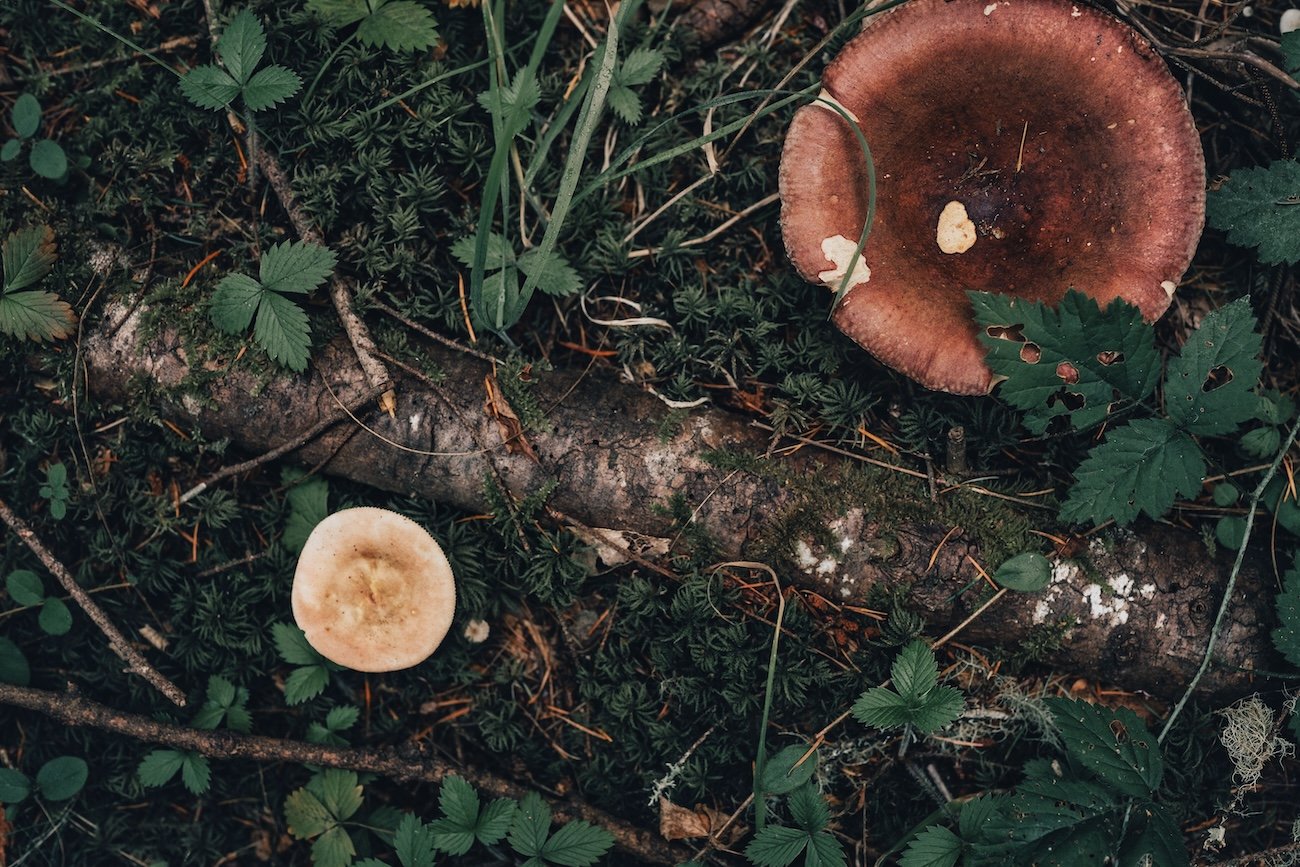
Private land requires permission from the landowner or occupier. Trespassing to pick mushrooms is still trespassing.
Grazing leases and similar agricultural dispositions fall under the Recreational Access Regulation. In many cases the leaseholder cannot restrict recreational access for activities that include mushroom picking, but you still need to respect livestock, fences, and any posted conditions. When in doubt, contact the leaseholder or check with 310-LAND.
Indigenous reserves and First Nations land require express consent from the relevant Nation or land authority. Do not assume public access rules apply.
City parks and urban natural areas vary by municipality. Many restrict or prohibit plant and mushroom removal. There is also a higher chance of pesticide or herbicide exposure in managed urban areas, so even where picking is allowed it is often not recommended for food.
Commercial Harvesting vs Personal Picking
Personal recreational use is the low-bar activity covered above. Once you move into commercial harvesting, selling what you pick, or leading paid forays or guiding, the rules change. Commercial activity on public land typically requires a formal disposition, access permit, or other authorization under the Public Lands Act and Public Land Administration Regulation (PLAR). Group commercial or instructional activities can also trigger permit requirements.
If you are only picking for your own table, you are usually fine on appropriate Crown land. If money or organized groups are involved, check the requirements first.
Endangered Species, Ethics, and Safety
Alberta’s Wildlife Act and regulations can designate certain plants, algae, and fungi as endangered. There is no widespread list of common edible mushrooms that are currently off-limits for this reason, but the prudent approach is to avoid anything rare, unusual, or that you cannot confidently identify.
Responsible foraging practices matter more than volume:
- Take only what you will actually use.
- Leave plenty behind so the patch can continue.
- Use a basket or mesh bag so spores can drop.
- Avoid damaging the surrounding habitat.
- Never eat a mushroom unless you are certain of the identification.
Identification is the biggest risk. Alberta has a good range of edible species (morels, boletes, oysters, and others) and plenty of toxic look-alikes. The Alberta Mycological Society is the main local resource for learning, forays, and identification help. Membership does not give you special picking rights on restricted land, but the society is the best way to build real knowledge.
Also carry the usual outdoor gear: bear spray in appropriate areas, weather layers, and a plan for how you’ll get out if conditions change. For broader outdoor safety reminders that apply on any mushroom walk, see our wildlife safety tips for hiking in Alberta.
How to Check Land Status or Get Permission
- Provincial parks: Contact the relevant district conservation officer or Parks office before you plan to pick.
- General Crown land questions, maps, or reporting: 310-LAND (5263).
- Use the interactive maps and Public Land Use Zone pages on Alberta.ca to confirm where you are.
- For community knowledge and learning: Alberta Mycological Society events and resources.
FAQs
Is it legal to pick mushrooms on Crown land in Alberta?
Yes, personal recreational picking is generally allowed on vacant Crown land and most public land, including many Public Land Use Zones. Always confirm the specific land status.
Can I pick morels in Banff or Jasper National Park?
No. Collecting mushrooms is prohibited in national parks.
Do I need a permit for personal mushroom picking in Alberta?
Not for ordinary personal use on eligible Crown land. In provincial parks you need verbal approval from the district conservation officer. Commercial activity requires formal authorization.
What happens if I get caught picking illegally in a park?
You can be asked to leave, fined, or face other enforcement under the relevant parks legislation. The rules are actively enforced by conservation officers.
Can I forage in Kananaskis?
Kananaskis includes both provincial park land and Public Land Use Zones. The rules follow the land designation. Check whether the specific area is park or PLUZ and follow the corresponding rules.
Are there endangered mushrooms I need to avoid?
Some fungi are assessed for conservation status in Alberta. Avoid anything you cannot identify, and stick to common, well-known edible species when foraging for food.
Mushroom picking in Alberta is straightforward once you match the activity to the right land. Stay on Crown land for the easiest legal option, get verbal approval if you want to try a provincial park, and leave national parks alone. Combine that with solid identification skills and responsible habits and you can enjoy the season without the legal risk.
For more Alberta outdoor planning, the three guides linked above pair well with a legal foraging day.