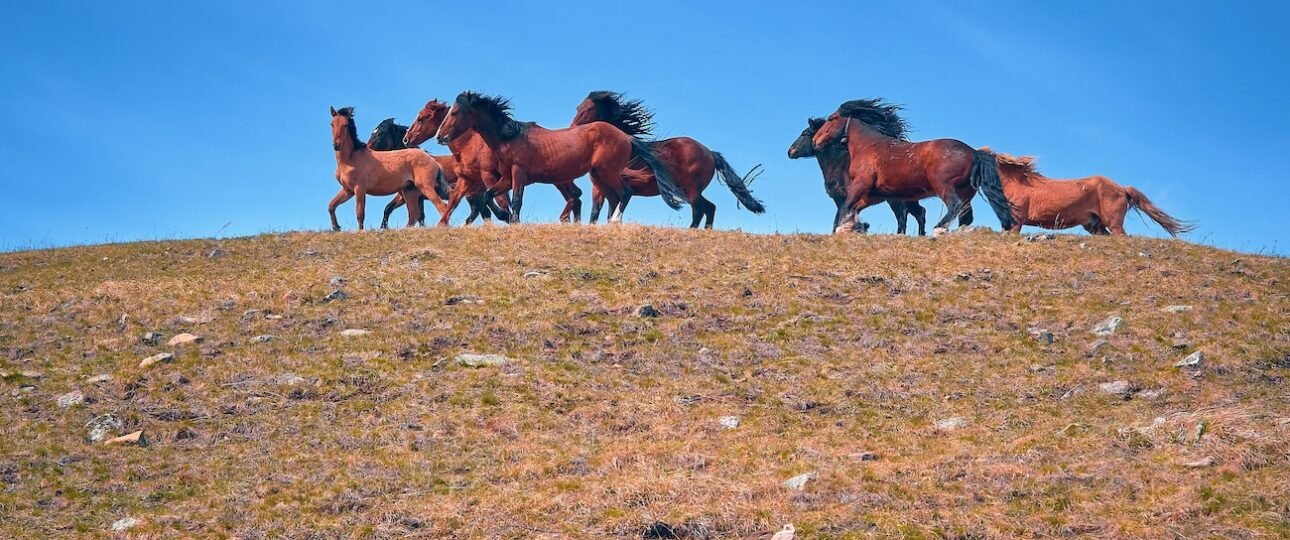
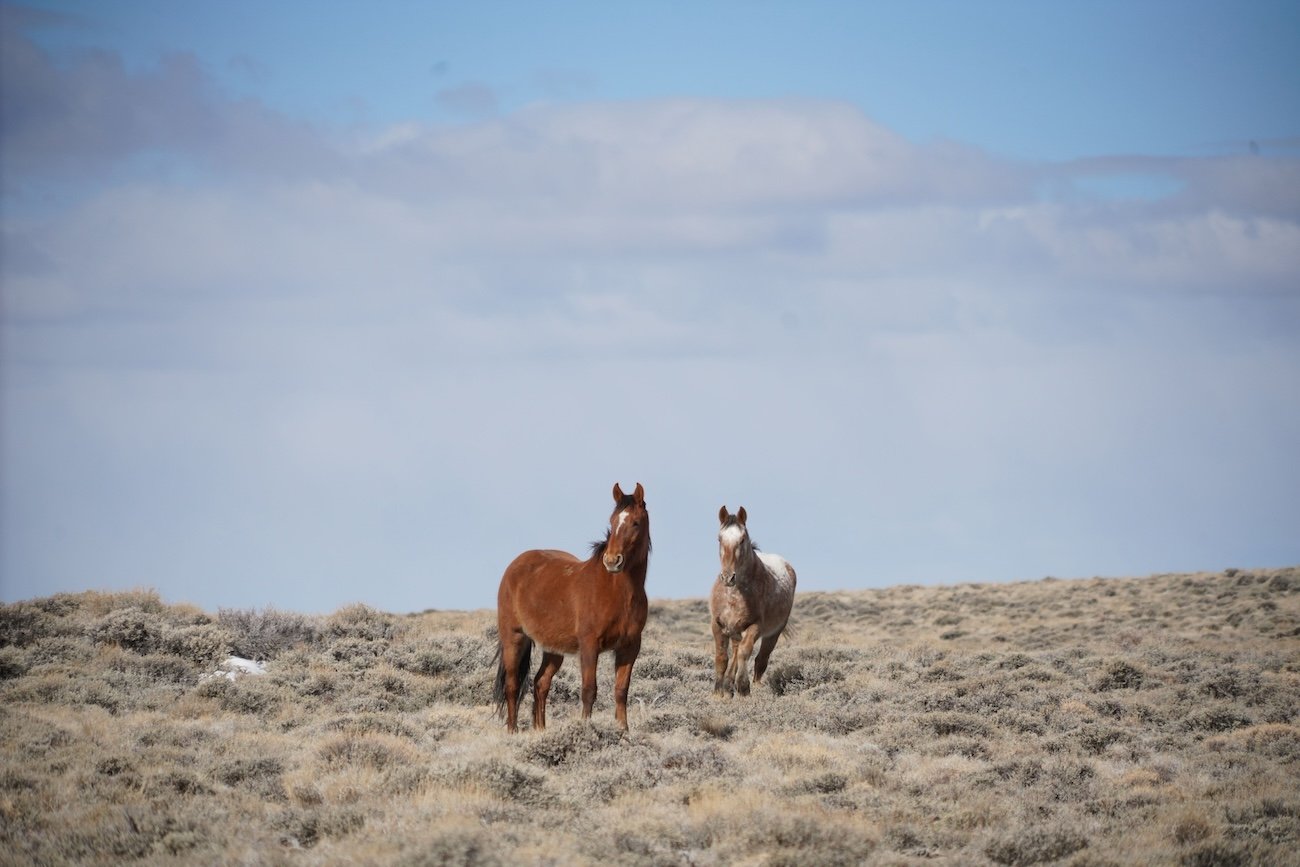
Just west of Sundre, in the rolling foothills along the Red Deer River, free-roaming wild horses still move through meadows and willow flats the way they have for generations. Locals call them the Wildies. They’re one of the most reliable places in Alberta to see free-roaming horses without driving deep into the backcountry — a true hidden gem most tourists miss.
This guide covers the best routes, practical tips for finding them, the current 2026 population picture, and how to watch them respectfully.
Who Are the Sundre Wild Horses?
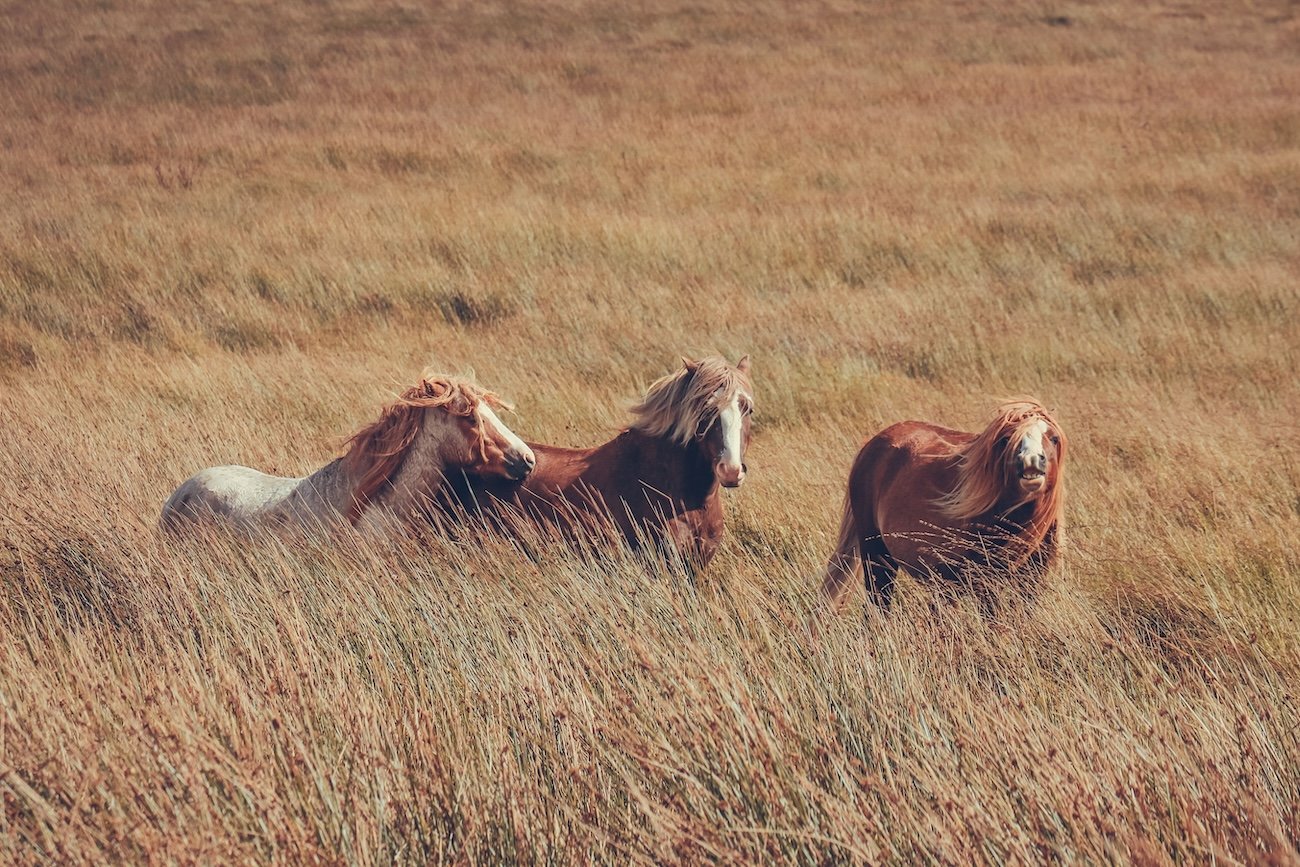
These wild horses are the descendants of animals that escaped or were released from early ranching, logging, guiding, and Indigenous use along the eastern slopes. Over time they formed self-sustaining family bands adapted to the foothills climate.
They are legally considered feral under Alberta’s Stray Animals Act rather than protected wildlife. That status sits at the centre of ongoing management debates. In the field they look much like ranch horses, though many show a dark dorsal stripe and zebra-like leg markings. They tend to be sturdy, sure-footed, and wary of people.
The highest concentration in the province is in the Sundre equine management zone.
Best Places and Routes to See Them
The classic drive: Sundre toward Ya Ha Tinda
Start in Sundre and head west. The most productive stretch follows the Red Deer River toward Ya Ha Tinda Ranch. Much of the road is gravel. Cell service is limited to non-existent once you leave town, so download offline maps before you go.
Key areas where people regularly spot bands:
- Willow flats and open meadows along the river
- Yara Creek valley
- Open ground near Mountain Aire
- Side roads and cutblocks off the main route
There is no guarantee you will see wild horses on any given day, but this corridor consistently produces sightings. Drive slowly, pull fully off the road when you stop, and scan the edges of the trees and open grass. This kind of easy day trip from Calgary or Red Deer pairs well with other central Alberta stops, similar to exploring Drumheller or checking out small-town attractions further afield.
Wild Horses of Alberta Society (WHOAS)

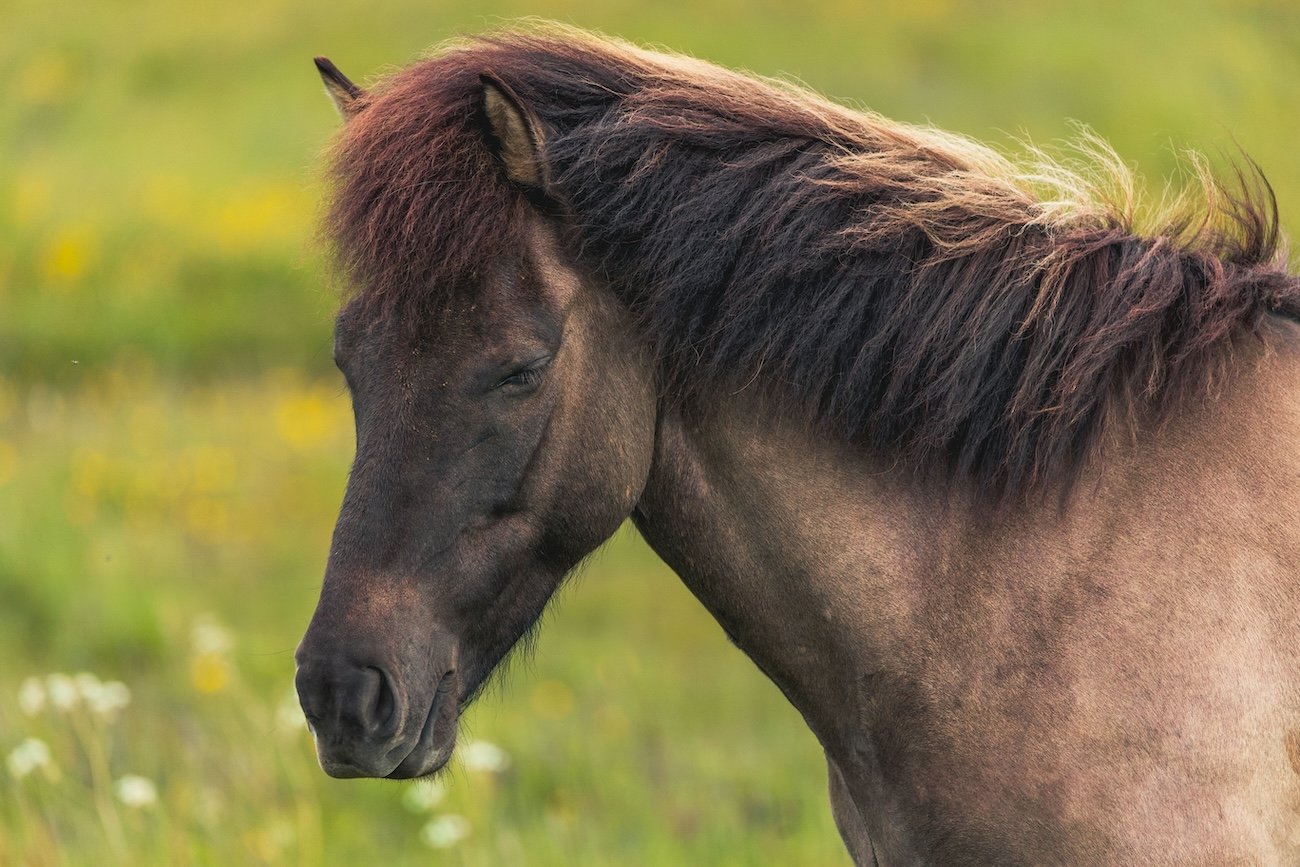
About 15 minutes west of Sundre, the Wild Horses of Alberta Society runs a rescue and rehabilitation facility. Their “Into the Herd” experience lets visitors walk among horses that have come in from the wild, hear individual stories, and learn about the work of gentling and adoption. Tours are small, about an hour, and currently listed around $25. Contact them through wildhorsesofalberta.com or info@wildhorsesofalberta.com for current availability. The facility sits south of Township Road 330 just past Highway 584.
This is the best option if you want a closer, more reliable encounter and to support conservation work directly.
Best Time of Day and Season
Early morning and late afternoon or evening are usually most productive. Wild Horses are often more active and visible then. Summer and early fall offer easier road conditions and longer daylight. Winter can produce striking photos against snow, though access is more demanding and the horses carry heavier coats.
Foals are typically more visible later in the season after the spring surveys.
Practical Tips for Finding and Watching Them
- Go slow and stop often. Many sightings happen when drivers are simply paying attention to the landscape.
- Use binoculars or a long lens. Keep a respectful distance. These are wild animals.
- Stay on public roads and pull-outs. Do not chase or approach on foot.
- Fill your tank in Sundre. Carry water and layers. The foothills weather changes quickly.
- Expect gravel, dust, and possible logging or recreational traffic.
For broader advice on staying safe around Alberta wildlife, see our wildlife safety tips for hiking in Alberta. The same principles of distance and awareness apply here.
Sightings are never guaranteed. That is part of the experience.
2026 Population Update
Alberta’s 2026 minimum count (January–March) recorded 2,072 feral wild horses across the six equine management zones — the highest number in the survey series. The Sundre zone has long held the largest share of the provincial population and has been above the province’s management threshold in recent years.
Government counts and those conducted by Help Alberta Wildies Society (HAWS) have differed, sometimes significantly. HAWS has argued that some jumps in official numbers are biologically unlikely and that survey methods and area coverage affect results. The province maintains that improved conditions and consistent methodology explain higher counts and that populations in several zones, including Sundre, are not ecologically sustainable at current levels.
Management tools under the provincial framework include adoption, potential contraception, and capture in high-density situations. No large-scale cull has been confirmed as of mid-2026. The debate remains active among ranchers, advocates, Indigenous groups, and government.
How to Watch Responsibly
Keep your distance. Do not attempt to feed, touch, or follow the wild horses closely. Sudden movement or vehicle pressure can stress family bands and disrupt natural behaviour.
If you want a closer experience, book with WHOAS. Supporting the organizations that monitor and care for these horses (WHOAS and HAWS) is one of the most direct ways visitors can help.
FAQ
Are the horses truly wild?
They are free-roaming and self-sustaining, but legally classified as feral because their ancestry traces to domestic stock. Locals still call them the Wildies.
Can I get close or take selfies with them?
No. Maintain a safe distance for your safety and theirs. Use a zoom lens.
Is there a guaranteed place to see them?
No. The drive west of Sundre offers the best odds. The WHOAS tour provides a reliable, ethical alternative.
How many wild horses are in the Sundre area right now?
The Sundre zone has historically held the largest concentration. Exact 2026 zone figures vary between government and independent counts, but both put the number in the high hundreds to low thousands.
What’s the best starting point from Calgary or Red Deer?
Sundre itself. It is roughly 90 minutes from Calgary and an easy day trip from Red Deer. If you’re planning a longer foothills or Rockies loop, our Calgary to Banff road trip guide and 3-day Jasper itinerary can help you build out the rest of the trip. For overnight options in the mountains, check best cabins and lodges in the Canadian Rockies.
The Wildies remain one of the more accessible and memorable wildlife experiences in central Alberta. Drive carefully, watch quietly, and leave them as you found them.