Albertans don’t have to travel far to see wildlife. Banff roadsides provide endless opportunities for bighorn sheep sightings and Jasper’s elk are easily spotted. To encounter the rarest of Canada’s animals, however, you need to venture farther afield, to places that aren’t as easily accessible. Often, the best way to reach these locations is by small aircraft. But don’t let that stop you from seeing the following animals in person – a private charter is easily arranged.
Polar Bears and Belugas in Churchill, Manitoba
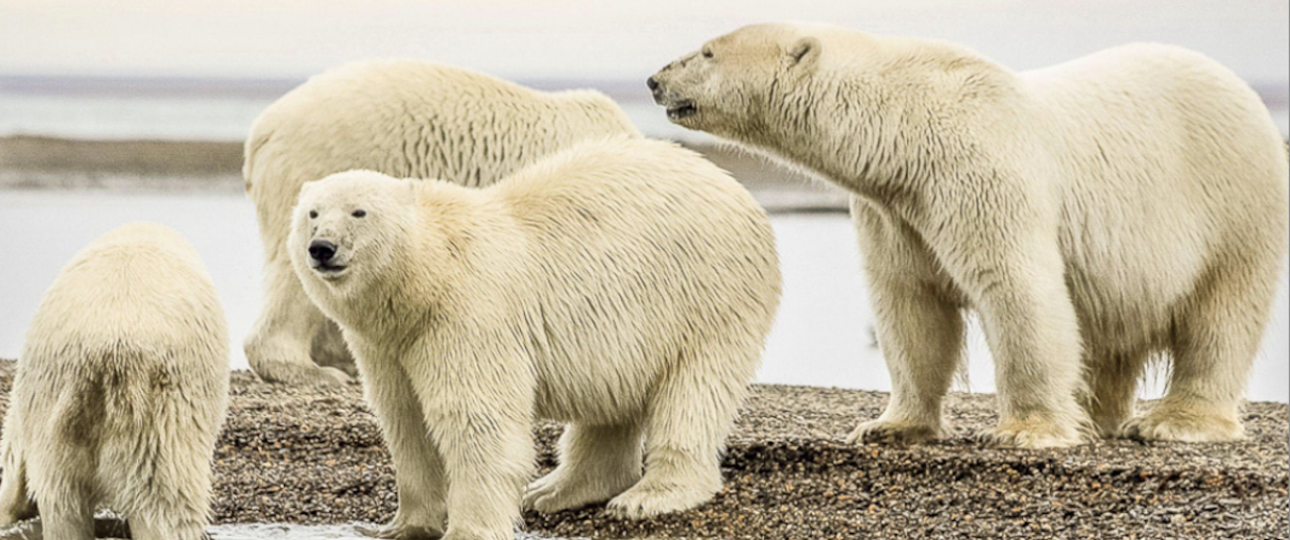
For wildlife enthusiasts, winter and summer are both perfect seasons to visit Churchill. When the sea ice starts to form off the coast of Hudson Bay in October and November, polar bears gather in droves to begin their winter seal hunting season. Tundra vehicles take small groups out to watch them at close range. When the weather warms, beluga whales move into the Churchill River estuary to calve. Gliding among these magnificent whales in boats and kayaks makes this animal encounter truly special.
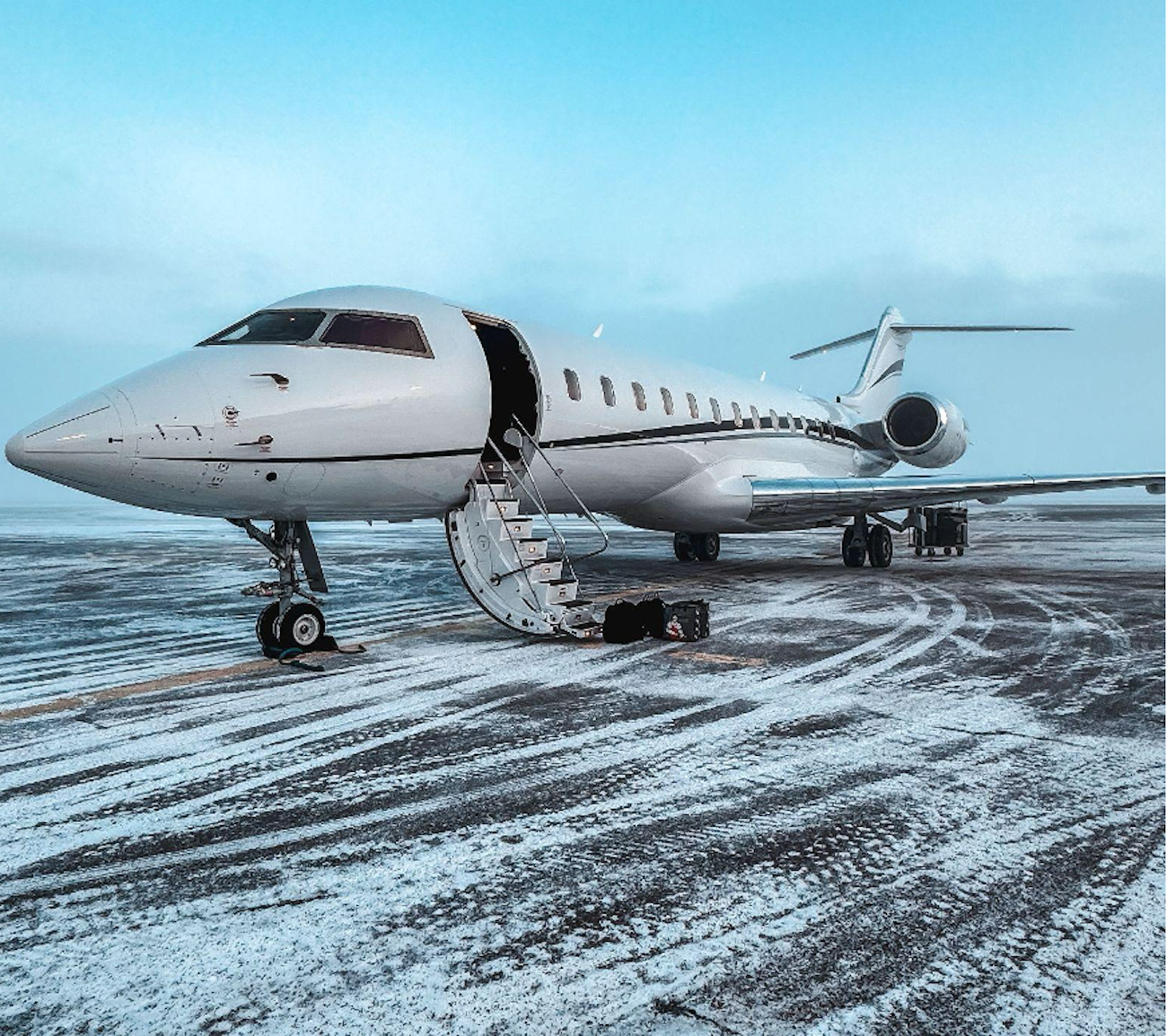
There are no roads that connect Churchill to the rest of the country, making air travel the most viable travel option. The airport’s paved runway is over 9,000 feet, long enough for midsize and larger jets, which means a luxury private jet charter from Calgary or Edmonton can arrive early enough to get you out on the tundra on the same day.
Best time to go: October to early November for polar bears, July and August for belugas.
What to book first: Lodge rooms and tour seats for bear season, which are limited and go early.
Spirit Bears in the Great Bear Rainforest
The spirit bear is a black bear with a cream-white coat. It lives in the Great Bear Rainforest, on British Columbia’s central coast. With numbers of wild bears estimated between 50 and 150, which makes this one of the rarest bears on the planet. Guides know the bear’s habitats well, but even with their help your odds of a sighting are about 50/50. But even if you don’t spot a rare white bear, you’re likely to see grizzlies and coastal wolves, who share the same forest, and humpback whales that feed in the channels nearby.
The closest paved airstrip is at Bella Bella, where a runway of around 3,700 feet suits turboprop aircraft. From there it’s roughly a two-hour boat ride north to Klemtu, the base for spirit bear viewing.
Best time to go: August to October, when salmon return to the rivers and bears come down to feed.
What to book first: Your lodge, then flights into Bella Bella to match its transfer days.
Grey Whales Off Tofino’s Coast
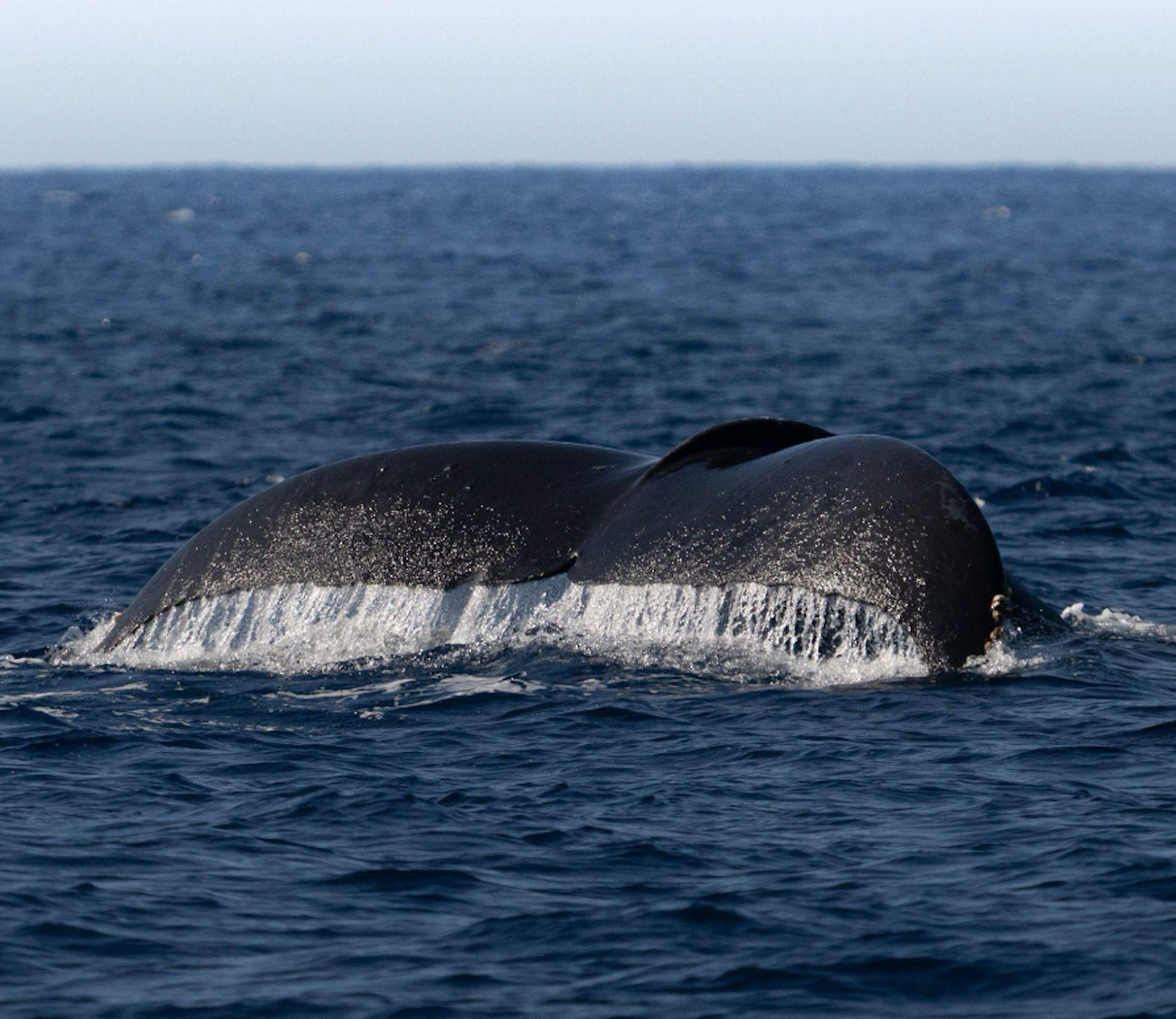
Each spring, grey whales pass close to shore on a round-trip migration of more than 16,000 kilometers between Baja California and the Arctic, and the Pacific Rim Whale Festival marks their arrival every March. Humpbacks, orcas and sea otters turn up through November, and bear-watching boats cruise the shoreline from April to October for black bears foraging at low tide.
Tofino-Long Beach Airport is about 15 minutes south of town, with three paved runways of 5,000 feet each, enough for turboprops and many light jets. A long weekend from Alberta is entirely realistic, with time left for surfing at Chesterman Beach.
Best time to go: March and April for grey whales, summer for the widest mix of wildlife.
What to book first: Accommodation, especially if your dates overlap with the festival.
Narwhals at the Floe Edge Near Pond Inlet
In spring at the northern tip of Baffin Island, it’s not just narwhals in residence; the edge of the sea ice near Pond Inlet becomes a feeding ground where narwhals and belugas surface in open water and polar bears patrol the ice for seals. Visitors stay at seasonal camps on the ice with local Inuit guides.
Pond Inlet’s runway is gravel and just over 4,000 feet long, so turboprops are the usual choice for the final leg. Destination Nunavut has more on what the community offers year-round.
Best time to go: Late May into June, depending on the ice.
Book first: A place on a floe edge trip, as spaces are few, and leave a day or two of slack in your plans.
Bison and Whooping Cranes in Wood Buffalo National Park
Closer to home, Wood Buffalo straddles Alberta’s northern border with the Northwest Territories and is Canada’s largest national park. It protects one of the world’s largest herds of free-roaming wood bison and holds the last natural nesting area of the endangered whooping crane, though those wetlands are remote and you’re unlikely to see one.
Fort Smith Airport has a paved runway of around 6,000 feet, long enough for midsize jets, and the town is the park’s main gateway. Parks Canada runs visitor services from May to October through the Fort Smith Visitor Centre.
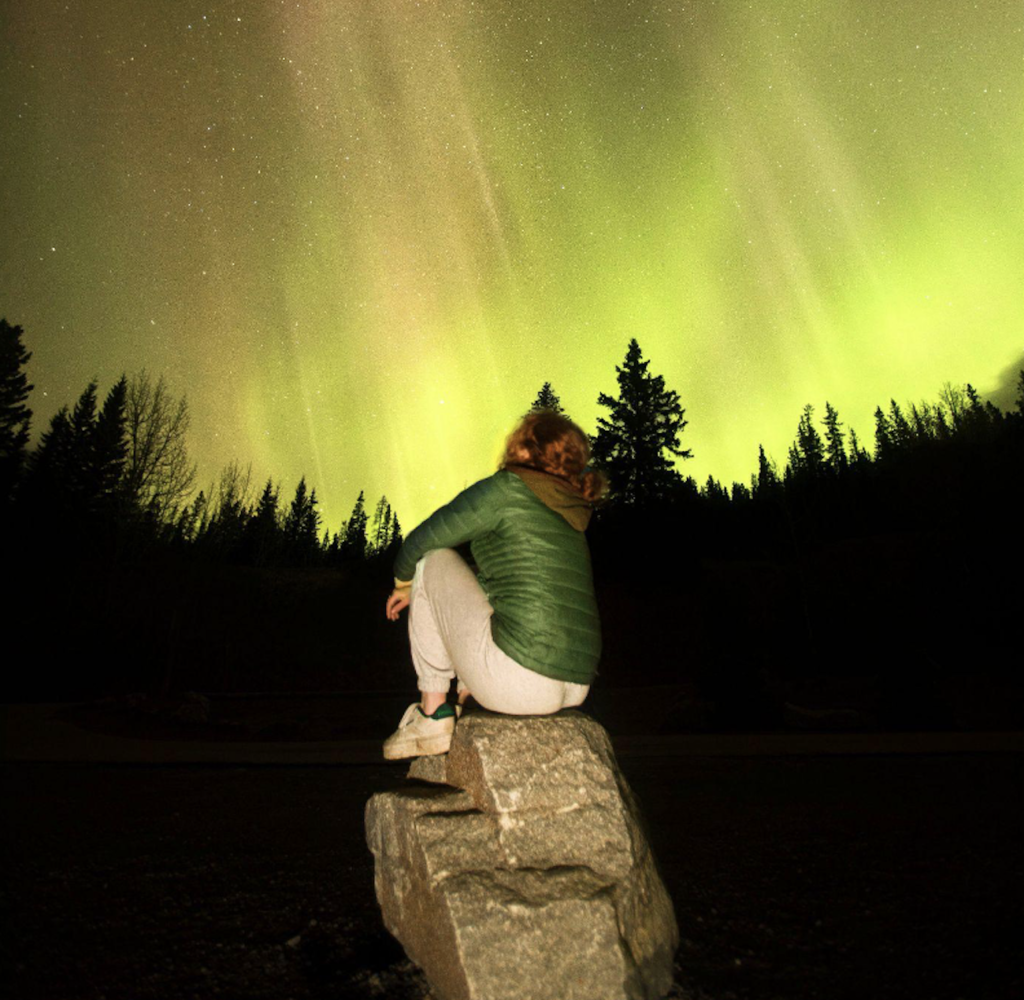
Best time to go: August, when you can pair bison viewing with the Thebacha and Wood Buffalo Dark Sky Festival in the world’s largest dark-sky preserve.
What to book first: Somewhere to stay in Fort Smith before the festival weekend.
Canada’s Wildest Encounters Come Down to Timing
Every experience here runs to nature’s calendar, not ours. Polar bears leave Churchill once Hudson Bay freezes and narwhals move on when the ice breaks up, so plan from the season backwards. Lock in lodges and guides first, then arrange the flights. Done in that order, the country’s rarest wildlife is a lot closer to Alberta than it appears.