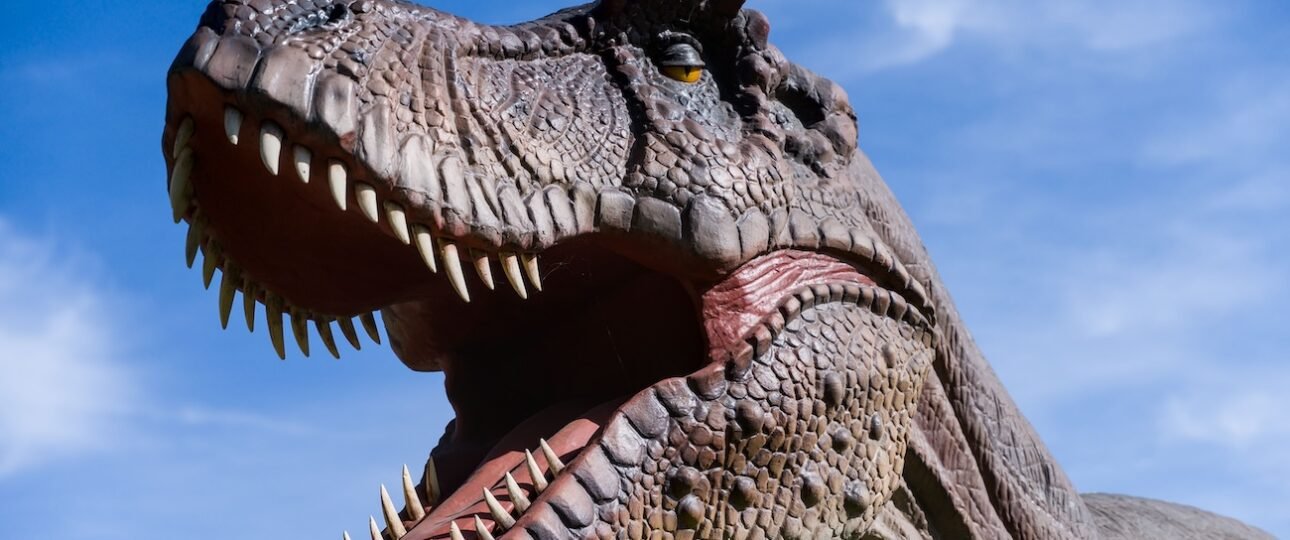
Alberta is home to more dinosaur fossils than almost anywhere else on Earth. Walk the badlands around Drumheller or Dinosaur Provincial Park and it is not unusual to see bone fragments lying right on the surface. Paleontologists have identified more than 80 distinct dinosaur species from the province, and new discoveries still turn up every year. So why does Alberta have so many dinosaurs—or, more accurately, why are so many of their remains so well preserved and easy to find?
The answer comes down to three main factors that lined up perfectly: the right ancient environment, the right conditions for fossilization, and the right modern landscape to expose those fossils.
A Perfect Cretaceous Habitat
During the Late Cretaceous, roughly 77 to 66 million years ago, southern Alberta looked nothing like the dry badlands we see today. It was a broad, low-lying coastal plain on the western shore of the Western Interior Seaway—a shallow inland sea that split North America in two. The climate was warm and humid, more like the modern Gulf Coast than the Canadian prairies. Rivers meandered across the landscape, creating wetlands, forests of conifers and flowering plants, and rich feeding grounds.
These conditions supported large herds of plant-eating dinosaurs (hadrosaurs such as Edmontosaurus and horned dinosaurs such as Centrosaurus) and the predators that hunted them, including Albertosaurus and Gorgosaurus. Because so many animals lived here for millions of years, the raw material for fossils was abundant.
How Alberta’s Dinosaur Fossils Were Preserved
Living in the right place was only half the story. Fossils form when remains are buried quickly before they can be scavenged or weathered away. In Alberta, the rising Rocky Mountains to the west supplied a constant stream of sediment. Rivers flowing east from the mountains frequently flooded, dumping sand and mud across the floodplains. Animals that died near rivers or during floods were often buried within days or weeks.
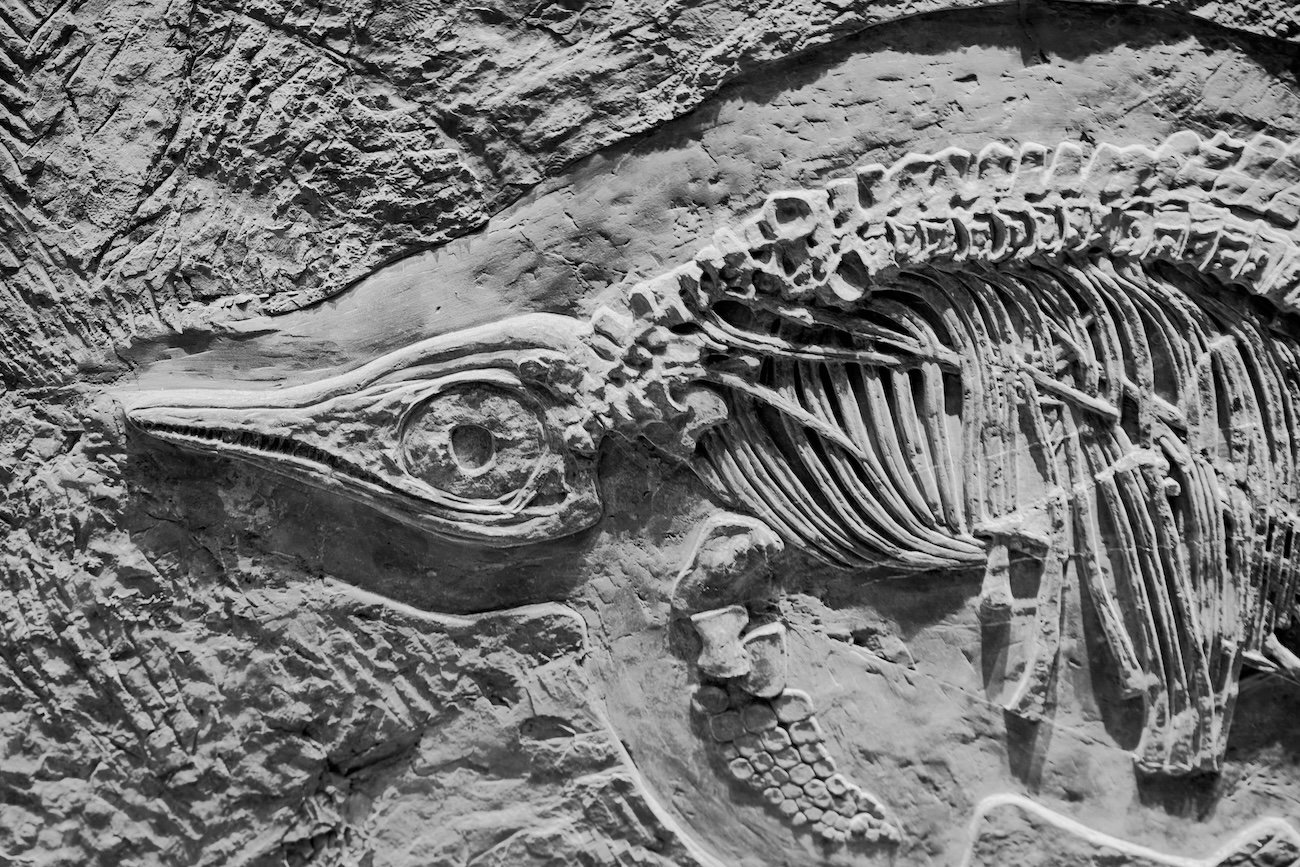
This rapid burial in fine sediment created the ideal conditions for fossilization. Over time the soft tissues decayed, minerals replaced the bones, and the sediments hardened into rock. The result is an exceptionally rich fossil record concentrated in a relatively short stretch of geological time—the last 15 million years or so of the Cretaceous. That is why Alberta is often called the dinosaur capital of the world.
Why the Fossils Keep Appearing: Modern Badlands Erosion
Even the best-preserved fossils stay hidden unless something exposes them. After the dinosaurs disappeared, the region went through major changes, including the retreat of the inland sea and later glaciations. Today, southern Alberta’s semi-arid climate and sparse vegetation allow erosion to work relatively quickly. Rain, wind, and freeze-thaw cycles continually strip away soft sedimentary layers in the badlands, uncovering bones that have been buried for 70 million years.
This is why so many fossils erode out of Alberta’s badlands. In places such as Dinosaur Provincial Park, new material is exposed almost every year. The same process that creates the dramatic hoodoos and layered hills also reveals the fossils. While exploring these landscapes, keep basic outdoor safety in mind—our wildlife safety tips for hiking in Alberta are useful even in the relatively open badlands.
Key Sites and What They Reveal
Two areas dominate the story. Dinosaur Provincial Park, a UNESCO World Heritage Site southeast of Drumheller, has produced more than half of Canada’s known dinosaur species. The park’s Late Cretaceous rocks (mainly the Dinosaur Park and Oldman formations) contain bonebeds with hundreds of individuals, offering rare insights into herd behavior and local ecosystems.
Farther north, the Drumheller area and the Horseshoe Canyon Formation are famous for Albertosaurus and other Maastrichtian dinosaurs. The Royal Tyrrell Museum sits in the middle of this landscape and holds one of the world’s largest collections of Alberta fossils. Check current Drumheller dinosaur museum hours before you visit, and pair the museum with other local stops using our guide to things to do in Drumheller.
Other important sites include the dense Pipestone Creek bonebed near Grande Prairie (famous for Pachyrhinosaurus) and scattered finds along the Red Deer River system. Together these localities show that the abundance is not limited to one small pocket of the province. If you are planning a wider trip, Alberta has plenty of lesser-known spots worth adding to the itinerary—see our list of 10 hidden gems in Alberta most tourists miss.
Can You Collect Fossils in Alberta?
Alberta has some of the strictest fossil protection laws in the world. Under the Historical Resources Act, vertebrate fossils (including dinosaur bones) belong to the province. You may surface-collect certain invertebrate fossils and plant material on Crown land under specific rules, but excavating or removing dinosaur fossils is illegal without a permit. If you find something significant, the recommended approach is to photograph it, note the location, leave it in place, and report it to the Royal Tyrrell Museum.
Why Alberta Stands Out
Other regions have produced spectacular dinosaur fossils—Mongolia’s Gobi Desert, Argentina’s Patagonia, and parts of the American West among them. What sets Alberta apart is the combination of high diversity, excellent preservation, continuous exposure through ongoing erosion, and a long history of scientific collecting that began in the late 19th century. The province’s unique geology and climate turned a once-thriving Cretaceous ecosystem into one of the most accessible and scientifically valuable dinosaur graveyards on the planet.
The next time you see a photo of layered badlands or a skeleton on display at the Tyrrell, remember that those bones are the product of millions of years of the right environment, the right burial conditions, and the right modern landscape to bring them back into view.
FAQs
Why does Alberta have so many dinosaur fossils?
Alberta had an ideal Late Cretaceous environment (warm coastal plain with abundant plant and animal life), rapid burial by sediments from the rising Rockies and frequent floods, and modern badlands erosion that continually exposes the fossil-bearing rock layers.
Is Alberta really the dinosaur capital of the world?
Yes, in terms of the number of species, the density of well-preserved fossils, and ongoing discoveries. Dinosaur Provincial Park alone has yielded more than half of Canada’s known dinosaur species.
Can I dig for dinosaur fossils in Alberta?
No. Vertebrate fossils are protected under Alberta law. Surface collecting of certain invertebrates is sometimes allowed on Crown land, but excavating dinosaur bones requires a permit. Report significant finds to the Royal Tyrrell Museum and leave them in place.
What is the best place to see Alberta dinosaur fossils?
The Royal Tyrrell Museum in Drumheller has the largest public collection, while Dinosaur Provincial Park lets you walk among exposed fossils in the badlands. Many visitors combine both.
How old are most of the dinosaur fossils in Alberta?
The majority date from the Late Cretaceous, roughly 77 to 66 million years ago – especially the last 15 million years of the dinosaur age.