Food & Drink · Alberta, Canada
Local Food You Must
Try in Alberta
From world-famous beef to prairie berries, a Calgary cocktail that became Canada’s national drink
Bison
Saskatoon Berries
Ginger Beef
The Caesar
Craft Spirits
Alberta’s food identity is bigger, more complex, and more surprising than most visitors expect. Yes, there’s exceptional beef — the province has more cattle than people and produces over 40% of Canada’s total supply. But Alberta’s culinary story goes well beyond the steakhouse.
It’s bison that has roamed these plains for 120,000 years. Prairie berries hand-picked in summer. A stir-fry invented by a Hong Kong chef in 1970s Calgary that became a local legend. A cocktail created in a hotel bar that went on to become Canada’s national drink. Alberta officially recognises seven Signature Foods — this guide covers all of them, plus the iconic dishes and drinks every visitor should experience.
Alberta’s 7 Official Signature Foods
🥩 Alberta Beef
🦬 Bison
🫐 Saskatoon Berries
🌾 Red Fife Wheat
🍯 Alberta Honey
🥕 Root Vegetables
🌻 Canola Oil
Section 01
Alberta’s 7 Signature Foods
Rooted in the land, the history, and the people who shaped this province — these are the ingredients that define Alberta’s culinary identity.
🥩
Alberta Beef
Meat · Iconic
Alberta beef is world-famous for a reason. The province’s rich grasslands and barley-fed finishing produce a distinctively marbled, tender cut that chefs across the world seek out. With over five million head of cattle — more than the entire human population of the province — beef is woven into Alberta’s identity at every level. Try it as a dry-aged striploin, a carpaccio, Korean-style short ribs, or the legendary tomahawk steak. In any form, the quality speaks for itself.
🦬
Bison
Wild Game · Indigenous Heritage
Bison have been native to Alberta for at least 120,000 years and are a cornerstone of Indigenous food culture across the plains. Ranch-raised bison has a clean, rich flavour — leaner than beef with excellent depth — and none of the gamey quality people sometimes expect. It’s higher in iron and lower in fat than beef. Try it as a bison brisket, burger, short ribs, or in a slow-cooked stew. The flavour rewards patience.
🫐
Saskatoon Berries
Prairie Fruit · Indigenous Staple
Saskatoon berries are Alberta’s most distinctly local fruit — a small purple prairie berry that looks like a blueberry but tastes earthier, slightly nuttier, and more complex. They have deep roots in Indigenous prairie cuisine and are used in everything from jams and pies to ice cream, cocktails, and salad vinaigrettes. The season is short (late June to early August) but Saskatoon products — jams, syrups, preserves — are available year-round and make wonderful edible souvenirs.
🌾
Red Fife Wheat
Heritage Grain · Artisan Bread
Red Fife is Canada’s oldest surviving wheat variety and Alberta’s heritage grain — it sustained the province’s pioneers in the 1800s and is now undergoing a revival in artisan bakeries and farm-to-table restaurants. Bread made from Red Fife has a nutty, complex flavour and a denser, more satisfying crumb than modern commercial wheat. Look for it in sourdough loaves, pasta, flatbreads, and crackers at farmers’ markets and quality bakeries across the province.
🍯
Alberta Honey
Sweetener · Regional Treasure
Alberta is the fifth largest honey-producing region in the world, harvesting nearly 40 million pounds annually. The province’s vast canola and wildflower fields produce a honey that is light, floral, and distinctly aromatic. You’ll find it drizzled over local cheeses, stirred into cocktails, used to glaze meats, and served at the better hotels and lodges. It’s also one of the most transportable and authentic edible souvenirs you can take home from Alberta.
🥕
Alberta Root Vegetables
Seasonal Produce · Chef’s Favourite
Alberta’s cool evenings are what make its root vegetables exceptional — the temperature drop causes sugars to concentrate in carrots, beets, parsnips, and turnips, producing a sweetness that chefs consistently remark upon. The province’s rich black prairie soil and short but intense growing season make these among the best-tasting root vegetables in Canada. Look for them roasted, in beet salads, in slow-cooked stews, or as a simple glazed side at any good restaurant.
🌻
Alberta Canola Oil
Pantry Essential · The Prairie’s Olive Oil
Canola oil was developed in Alberta in the 1970s — the name itself is a contraction of “Canada” and “ola” (oil). The province produces 15 million tonnes annually. Cold-pressed Alberta canola oil has a clean, mild, slightly nutty flavour that chefs call the olive oil of the prairies. Look for it in salad dressings, as a finishing oil over soups and hummus, and for producing the crispiest roasted potatoes you’ll encounter. It’s a staple in every good Alberta kitchen.
Section 02
Iconic Local Dishes & Drinks
Beyond the signature ingredients, Alberta has produced some genuinely legendary dishes and drinks that no visitor should leave without trying.
🥢
Calgary Ginger Beef
Local Invention · Calgary Signature
Ginger beef is one of Alberta’s most beloved local inventions — created by George Wong at Calgary’s Silver Inn Restaurant in the 1970s. Wong arrived from Hong Kong and adapted a beef recipe from his time in the United Kingdom, coating strips of tender beef in batter and tossing them in a sweet, tangy chili-ginger sauce. It became a Calgary institution, spread across the province, and bears no resemblance to anything you’d find in China. It is entirely and proudly Calgarian.
🍹
The Caesar Cocktail
Invented in Calgary · Canada’s National Drink
The Caesar is Canada’s national cocktail — and it was invented in Calgary in 1969 by Walter Chell, a bartender at the Calgary Inn (now the Westin Hotel). Inspired by spaghetti alle vongole, Chell combined vodka, Clamato juice (tomato and clam broth), hot sauce, Worcestershire, and a celery-salt rim. It went on to become the most-ordered cocktail in Canada, consumed over 400 million times a year. It’s a bolder, more complex cousin of the Bloody Mary — and in Alberta, it is a serious point of local pride.
🫕
Poutine — Alberta Style
Canadian Comfort · Mountain Staple
Poutine originated in Quebec but has been fully adopted across Alberta as a comfort food staple — particularly in the mountain towns of Banff and Jasper, where it serves as the ideal post-hike recovery meal. The classic version is three ingredients: thick-cut fries, fresh squeaky cheese curds, and rich beef gravy. Alberta versions often feature local beef gravy and sometimes incorporate regional additions like pulled bison, wild mushrooms, or mountain herbs.
🍺
Alberta Craft Beer & Spirits
Drinks · Mountain Town Scene
Alberta’s craft brewery and distillery scene has flourished dramatically in recent years, producing award-winning gins, whiskies, and vodkas alongside excellent ales and lagers. In Banff, Park Distillery produces spirits using Rocky Mountain water and pairs them with campfire-inspired cuisine. In Calgary and Edmonton, dozens of craft breweries offer tasting rooms and tours. Alberta rye whisky in particular is gaining serious international attention — worth trying before it becomes universally known.
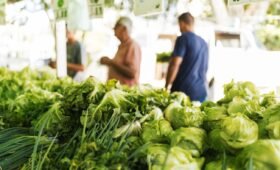
🛒 Best Farmers’ Markets to Shop Alberta Food
Calgary Farmers’ Market
Open Thursday–Sunday year-round. One of Canada’s best urban markets — local meat, produce, artisan goods, and prepared foods.
Edmonton Old Strathcona Market
Open Saturdays. A beloved neighbourhood market with excellent local provisions and a great atmosphere.
Canmore Farmers’ Market
Seasonal outdoor market in one of Alberta’s most beautiful mountain towns — perfect stop before a day in Kananaskis.
Lethbridge Exhibition Park Market
Open Saturdays May–October. Southern Alberta’s best market — great for Saskatoon berry products and regional honey.
Alberta’s food story is a product of the land itself — grasslands that built the cattle industry, prairies that produce the world’s finest honey and canola, river valleys that grow impossibly sweet root vegetables, and mountain towns where chefs have found an exceptional canvas. Eat your way through it.
Bon appétit · Alberta style