
Calgary has long been a magnet for people seeking a better balance between quality of life and cost. But with shifting housing markets, cooling rents, and economic changes, many Canadians — especially from Ontario and BC — are asking: Is Calgary still affordable in 2026?
The short answer: Yes, especially compared to Toronto, Vancouver, or other major Canadian cities. Housing costs remain more manageable, there’s no provincial sales tax, and recent market softening has given renters and buyers more breathing room. That said, affordability is personal — it depends on your income, family size, and lifestyle choices.
Here’s a clear, up-to-date breakdown based on 2026 data to help you decide if moving to or staying in Calgary makes financial sense.
Calgary Housing Market in 2026: More Balanced for Buyers
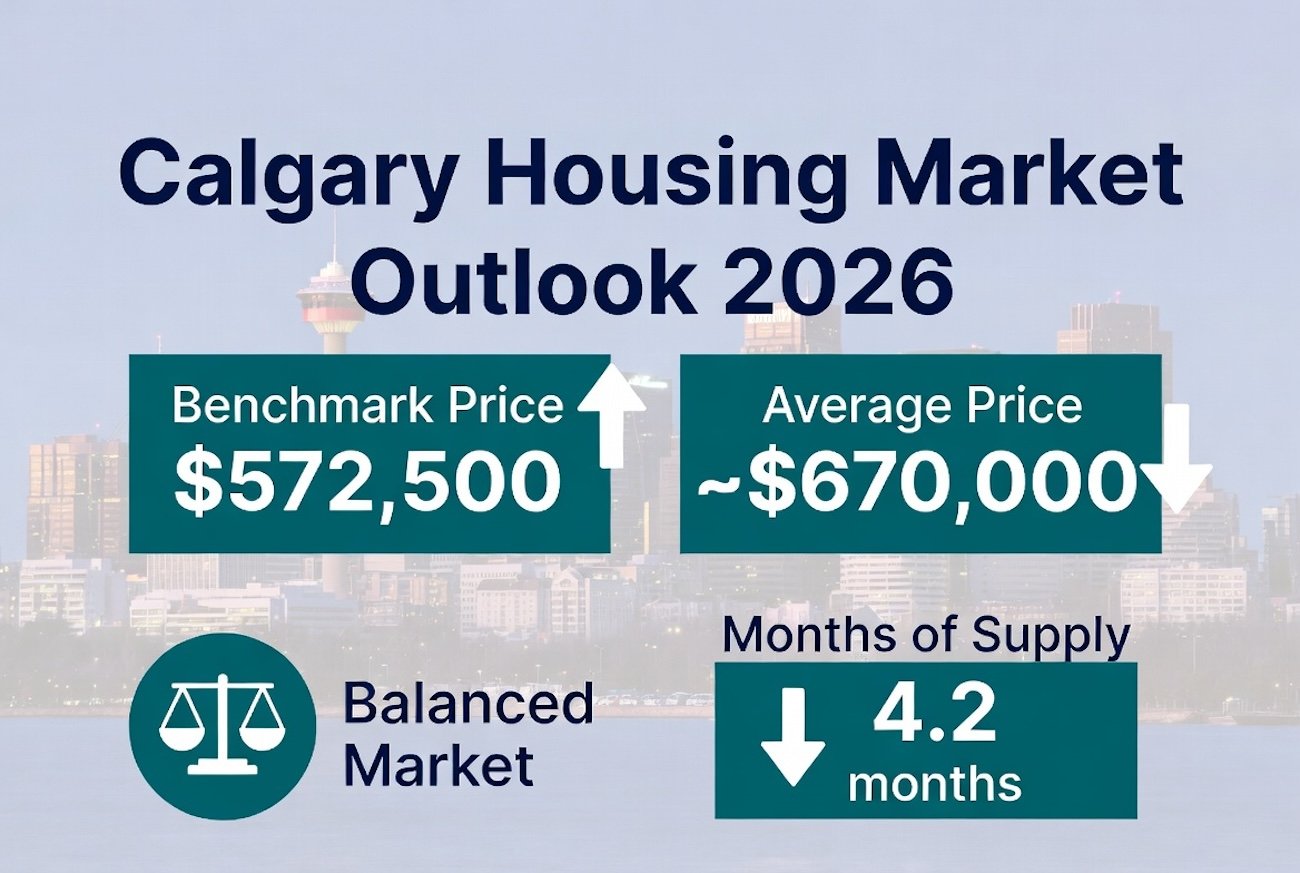
Calgary’s housing market has transitioned from the hot seller’s market of previous years into a more balanced environment. Increased supply and moderating migration have eased some pressure.
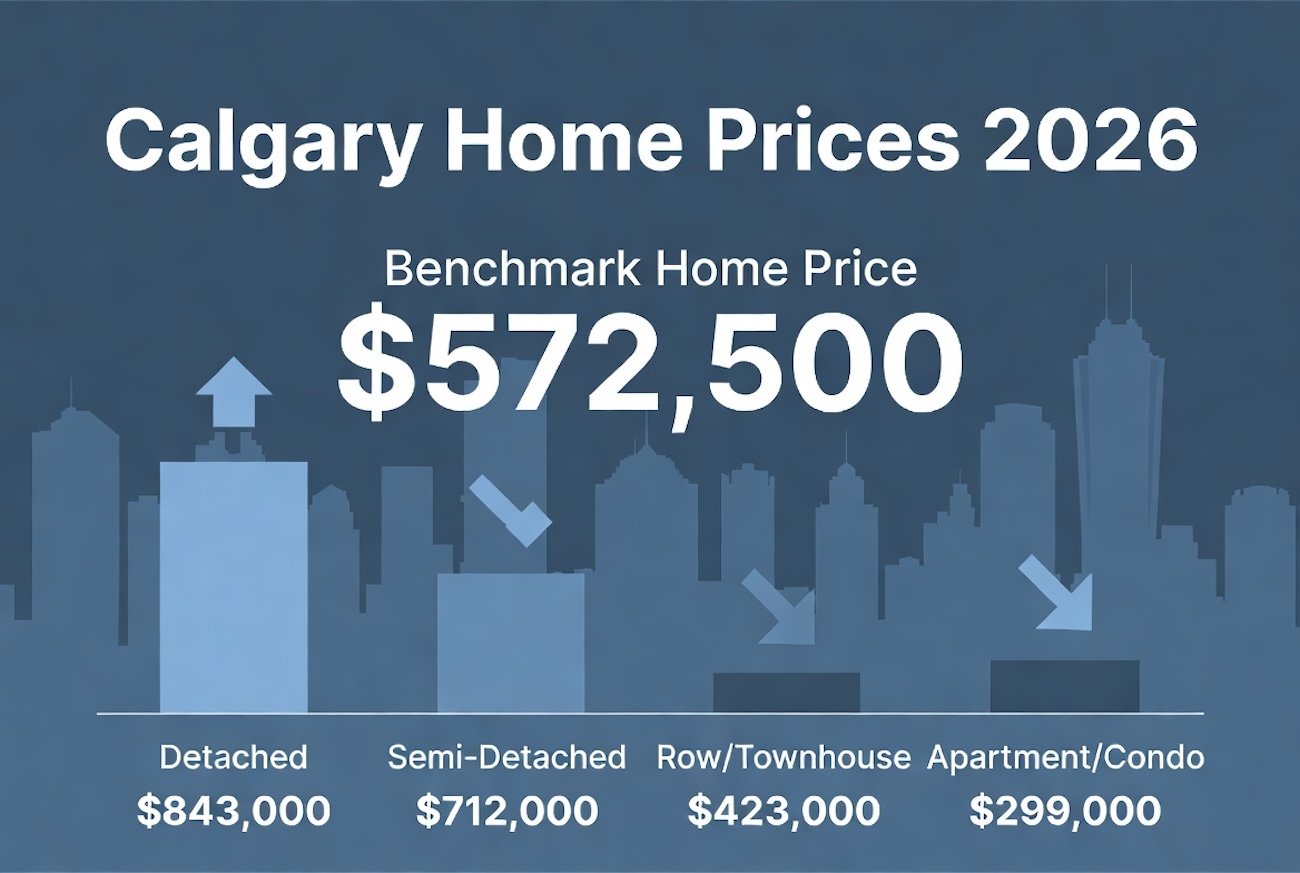
- Benchmark home price: Around $572,500 (down slightly year-over-year in recent reports).
- Average sold price: Closer to $670,000 across all property types, with detached homes higher (~$840K+) and condos more accessible (~$300K range).
Forecasters predict relative stability or modest growth in 2026, with slower rent increases due to new purpose-built rentals. Detached and semi-detached segments are holding steadier, while condos and townhomes offer more negotiation room.
Bottom line for buyers: First-time buyers and families have more options than in 2024–2025. A typical mortgage payment on a benchmark home sits around $3,100/month (depending on rates and down payment), making it far more attainable than in coastal cities.
Renting in Calgary 2026: Rents Are Cooling

Good news for renters — average asking rents have declined in 2026.
- 1-bedroom average: $1,600–$1,820 per month (varies by location and building).
- 2-bedroom: Often $1,900–$2,300+.
- Year-over-year: Some reports show 4–5.6% declines, especially in purpose-built apartments.
Vacancy rates have risen, giving tenants more leverage on deals, incentives, or flexible terms. Downtown and inner-city spots command premiums, while suburban or southeast options are noticeably cheaper. For newcomers, see our guide to cheap apartments in Edmonton for newcomers for similar insights that often apply across Alberta.
Full Monthly Cost of Living in Calgary (2026 Estimates)

Here’s what real life looks like:
Single Person (renting 1-bedroom):
- Rent: $1,700
- Utilities (hydro, water, internet): $250–$350
- Groceries: $500–$550
- Transportation (transit pass or gas/insurance): $150–$300
- Dining out/misc: $300–$400
- Total: ~$3,000–$3,800/month
Family of 4 (renting or owning 2–3 bedroom):
- Housing (rent or mortgage + utilities): $2,500–$4,000+
- Groceries: $1,000–$1,400
- Transportation (often needs 2 vehicles): $400–$700
- Childcare/school: Varies widely ($1,000+)
- Total: ~$5,500–$8,000+/month (before savings goals)
Calgary ranks lower than Toronto and Vancouver overall. Consumer prices (excluding rent) are competitive, and Alberta’s lack of PST saves families hundreds annually on purchases.
Calgary vs. Toronto, Vancouver & Other Cities
| Category | Calgary | Toronto | Vancouver |
|---|---|---|---|
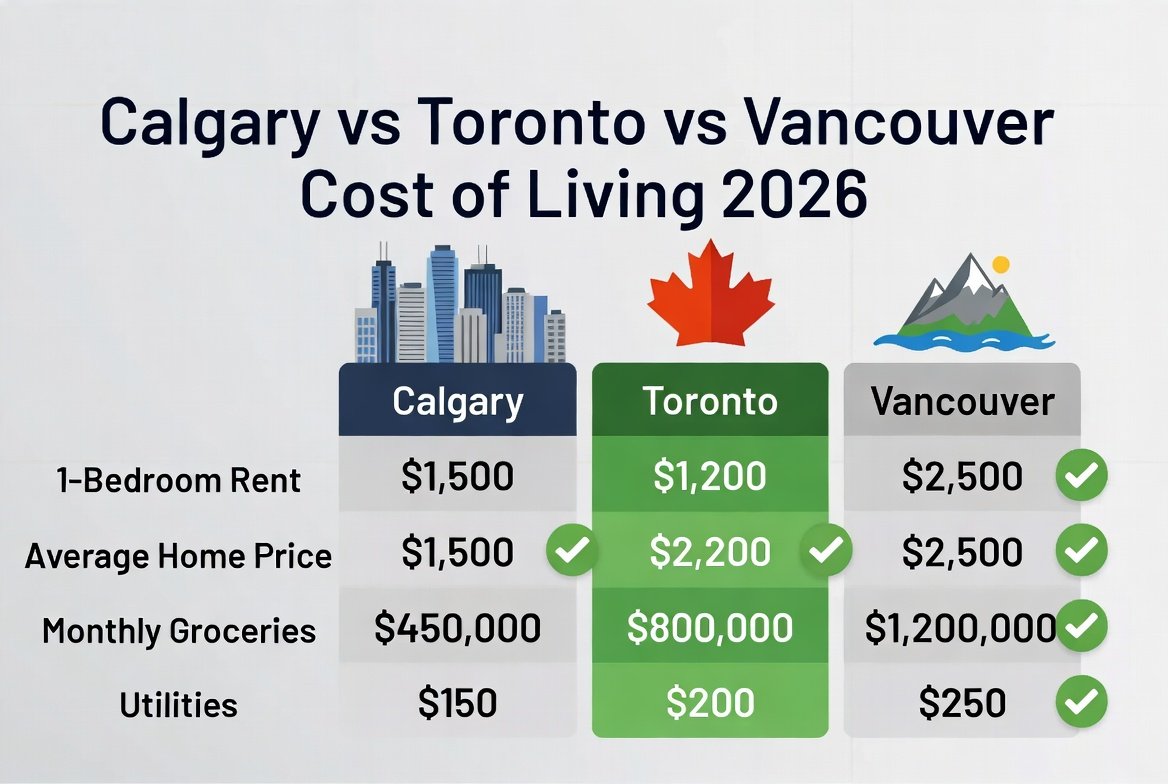
| 1-Bed Rent (avg) | ~$1,700 | ~$2,500+ | ~$2,700+ |
| Benchmark Home Price | ~$572K | Much higher | Much higher |
| Provincial Sales Tax | 0% (only 5% GST) | 13% HST | 12% PST + GST |
| Overall Cost Edge | Strong | Expensive | Very Expensive |
Moving from Ontario or BC? Many report saving $600–$1,000+ monthly on housing alone, plus more space and a shorter commute to nature. Check our Moving to Alberta 2026 Ultimate Newcomer Guide for a full checklist.
Hidden Costs & Smart Money Tips

- Winters: Higher heating and potential car maintenance.
- Car dependency: Many neighborhoods require a vehicle (see our guide to getting around Alberta without a car).
- Groceries & dining: Competitive but shop sales or markets.
Pro tips:
- Look for rentals in emerging or suburban pockets.
- Time your home purchase during slower seasons.
- Budget for property taxes (modest 2026 increase for average homeowners).
Pros & Cons of Living in Calgary 2026
Pros:
- Relative affordability vs. other big cities.
- Access to mountains, outdoors, and strong job sectors.
- Lower taxes and growing economy.
Cons:
- Economy still tied to energy (though diversifying).
- Cold winters and car-centric design.
- Childcare and some services can add up.
It suits professionals, families, and those prioritizing space and lifestyle over big-city hustle. For family-focused readers, explore best neighborhoods in Edmonton for families 2026 — many insights translate to Calgary suburbs.
Future Outlook: Will Calgary Stay Affordable?
Analysts expect continued balance in 2026–2027 with more supply coming online and steady (not explosive) demand. Long-term fundamentals — jobs, migration patterns, and policy — support ongoing relative affordability compared to Canada’s coasts.
FAQ: Is Calgary Affordable in 2026?
How much do you need to earn to live comfortably?
A single person can manage on $60K–$80K+, while families often target $120K+ household income for comfort. Alberta offers several supports — see Alberta Seniors Benefit 2026 and Alberta Parent Payment Program 2026 for applicable aid.
Are rents still rising?
No, many areas have seen declines or stabilization due to new supply.
Is now a good time to buy?
For many yes, more inventory and negotiating power, especially if you plan to stay long-term.
How does Calgary compare for newcomers?
Stronger affordability and lifestyle perks make it attractive, but research neighborhoods and visit first. Pair this with our First Timers Guide to Calgary.
Calgary in 2026 offers a compelling mix of affordability, opportunity, and quality of life that’s hard to find elsewhere in Canada. Whether you’re renting, buying, or just exploring a move, the numbers still work better here for many households.
Ready to make the move or dive deeper? Check our best free things to do with kids in Edmonton (great weekend ideas from Calgary too), cost of living in Red Deer Alberta 2026 for smaller-city comparisons, or browse more on the Alberta Insider blog.
What’s your biggest concern about Calgary affordability? Drop a comment below — we’d love to hear from locals and newcomers alike.