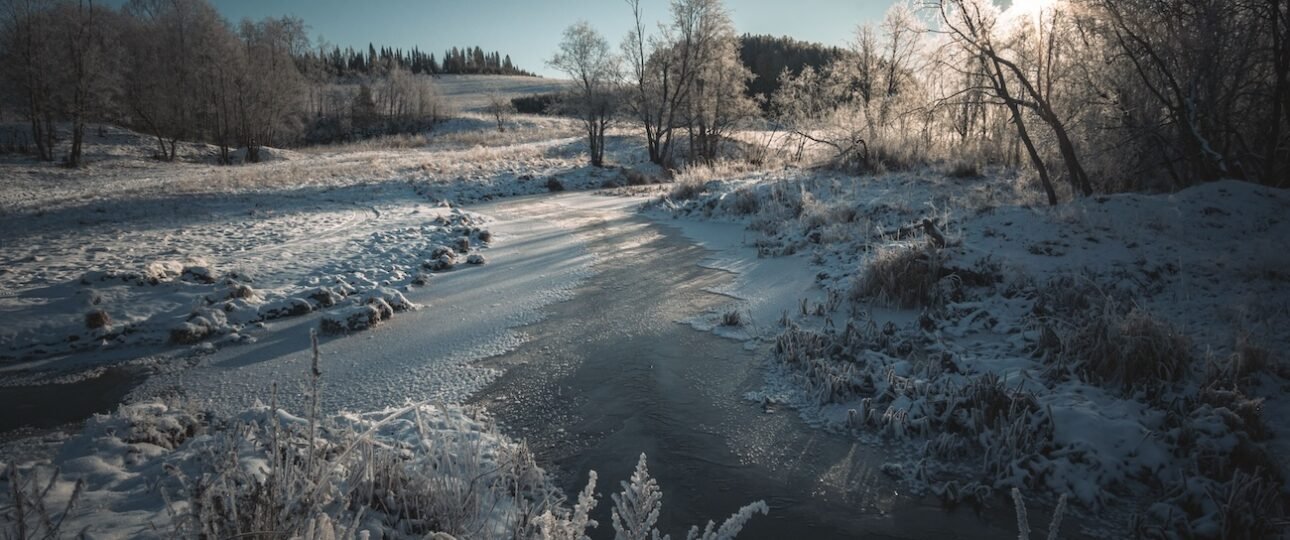
Yes, Alberta winters are genuinely cold. January lows in the major cities commonly sit between –10°C and –15°C, and further north it gets colder still. But the province is not locked in permanent deep freeze from October to May, and the experience varies dramatically depending on where you live. Chinooks, high sunshine hours, and relatively dry air change the day-to-day reality more than most outsiders expect.
If you’re weighing a move from Ontario, British Columbia, or overseas, the stereotype is usually more extreme than the average winter. Cold snaps of –30°C and below do happen. They just don’t define every day. For a wider look at other common misconceptions people hold about the province, see our guide to myths about living in Alberta.
Actual Winter Temperatures by Region
Alberta is a big province. A winter in Lethbridge feels different from one in Edmonton, and both feel different from High Level or Fort McMurray. Here are typical mid-winter (December–February) averages based on long-term climate normals:
| City / Region | Avg Winter High | Avg Winter Low | Notes |
|---|---|---|---|
| Calgary | –1°C to 0°C | –12°C to –13°C | Frequent Chinooks |
| Edmonton | –4°C to –6°C | –13°C to –14°C | Fewer warm breaks |
| Lethbridge / Medicine Hat | 0°C to +2°C | –9°C to –11°C | Mildest major centres |
| Fort McMurray / High Level | –10°C to –15°C | –20°C to –25°C | Subarctic conditions |
These are averages. Individual days (and nights) routinely fall well outside these numbers.
Extreme Cold Snaps: How Often and How Bad?
Most winters include at least one or two serious cold snaps. Temperatures of –30°C are common in the Edmonton area during January and February. Readings of –40°C still occur, especially in the north, though multi-day stretches at those levels are less frequent than they were decades ago.
Wind chill is the real equalizer. A calm –25°C can feel manageable in the sun. The same temperature with a 30 km/h wind becomes dangerous quickly. Environment Canada issues extreme cold warnings when wind chill values reach –40 or lower — these happen every winter somewhere in the province.
The good news for most residents: these extremes are temporary. A week of deep freeze is followed by a return to more typical –10°C to –15°C conditions, or even a Chinook in the south.
Chinooks: Alberta’s Built-in Winter Relief Valve
Chinook winds are warm, dry air that descends the eastern slopes of the Rockies. In southern Alberta they can raise the temperature 20–30°C in a matter of hours. A morning of –20°C can become an afternoon of +10°C. Snow can disappear, roads clear, and people walk around in lighter jackets.
Calgary and the foothills experience Chinooks most frequently. Lethbridge and Pincher Creek see them even more often. Edmonton gets occasional weaker versions, but the effect fades as you move farther north and east.
For people moving from Ontario or the Maritimes, the first Chinook is often a surprise. It is one of the main reasons many Calgarians say their winters feel more manageable than the numbers alone suggest.
The “Dry Cold” Myth — What Science Says vs What People Feel
Albertans love to say “it’s a dry cold.” Meteorologists point out that once temperatures drop well below freezing, the air simply cannot hold much moisture anywhere. Scientifically, cold air is dry air.
Yet the lived experience is different. People who have spent winters in both Alberta and Ontario consistently report that –20°C in Alberta feels less penetrating than –10°C to –15°C with higher humidity and less sun in the east. The combination of low humidity, frequent sunshine (Calgary averages more sunny days than Miami), and less wind in many conditions contributes to the perception.
Whether the science fully supports the myth or not, the practical takeaway remains: proper layers work better here than they do in damp coastal or Great Lakes winters.
Alberta vs Ontario and Manitoba Winters
Winnipeg remains colder on average than both Calgary and Edmonton, with more days below –30°C and fewer warm breaks. Southern Ontario winters are milder in temperature but often feel colder because of humidity, more frequent freeze-thaw cycles, and less sunshine.
Many people who move from the Greater Toronto Area or Ottawa to Calgary or Edmonton say the Alberta winter is more predictable and easier to dress for once they get the gear right. The trade-off is length: Alberta winters often start earlier and linger later, especially outside the Chinook zone. If you’re seriously considering the move, our ultimate newcomer guide to moving to Alberta in 2026 covers the broader practical picture beyond just the weather.
Practical Reality for People Who Live Here
A few things that actually matter once you arrive:
- Winter tires — non-negotiable. All-seasons are not enough for Alberta conditions.
- Block heaters — essential for most vehicles outside the mildest southern areas. Plug in when it drops below –15°C or so.
- Layering — a good base layer, mid-layer, and windproof shell outperform one heavy coat. Quality boots matter more than the brand name.
- Length of season — expect real winter conditions from late November through March or April in most of the province.
- Sunshine and outdoor life — many people still get outside. Community outdoor skating rinks (including the ones in Cold Lake), night skiing at places like Kinosoo Ridge, and simple walks are common even in January.
The mental side is real. Long stretches of short days and cold weather wear on some people more than the temperature itself. Others thrive on the clear skies and outdoor access. It depends on the person.
FAQs
How cold does it get in Calgary in winter?
Average January lows are around –12°C to –13°C. Cold snaps can drop the temperature into the –20s or occasionally the –30s, but Chinooks regularly interrupt the cold with above-freezing days.
Is Edmonton colder than Calgary?
Yes. Edmonton averages several degrees colder in winter and sees fewer and weaker Chinooks. Cold snaps tend to last longer.
Does it stay cold all winter in Alberta?
No. While the season is long, temperatures fluctuate. Southern Alberta sees frequent warm breaks. Even in Edmonton, milder periods occur between cold snaps.
Is Alberta colder than Ontario?
In pure temperature, yes for most of the province. In felt cold, many people prefer Alberta’s drier, sunnier conditions over Ontario’s damper winters. Winnipeg is colder still.
How many days does Alberta get below –20°C?
It varies by year and location. Calgary typically sees a handful to low double-digit nights that cold. Edmonton sees more. The far north sees significantly more.
You’ll hear plenty of stories once you get here. Some people never quite warm up to it and count the days until spring. Others swear the cold snaps are overblown and that a proper parka plus a bit of stubbornness is all it takes. Most land somewhere in the middle — they grumble on the worst mornings, then step outside on a bright –15°C day with the sun on their face and decide it’s not so bad after all.
The numbers tell part of the story. Living through a few winters tells the rest.



[…] tents get warm. Alberta November and early December weather is unpredictable — see our guide on how cold Alberta actually gets if you’re planning […]
[…] Lighting is temperature-controlled. Sensors turn the lights off when the ambient temperature drops to -28°C (or colder), so very cold nights can mean dark rinks even if the ice is solid. (Alberta winters can feel extreme—here’s a closer look at whether the province is really as cold as people say.) […]
[…] If you’re planning more winter outings around the same time, the Spruce Meadows Christmas Market 2026 makes a natural follow-up, and Red Deer outdoor skating rinks are a classic family stop once the tree is home. For a deeper look at how cold it actually gets when you’re out cutting, see Is Alberta really as cold as people say?. […]